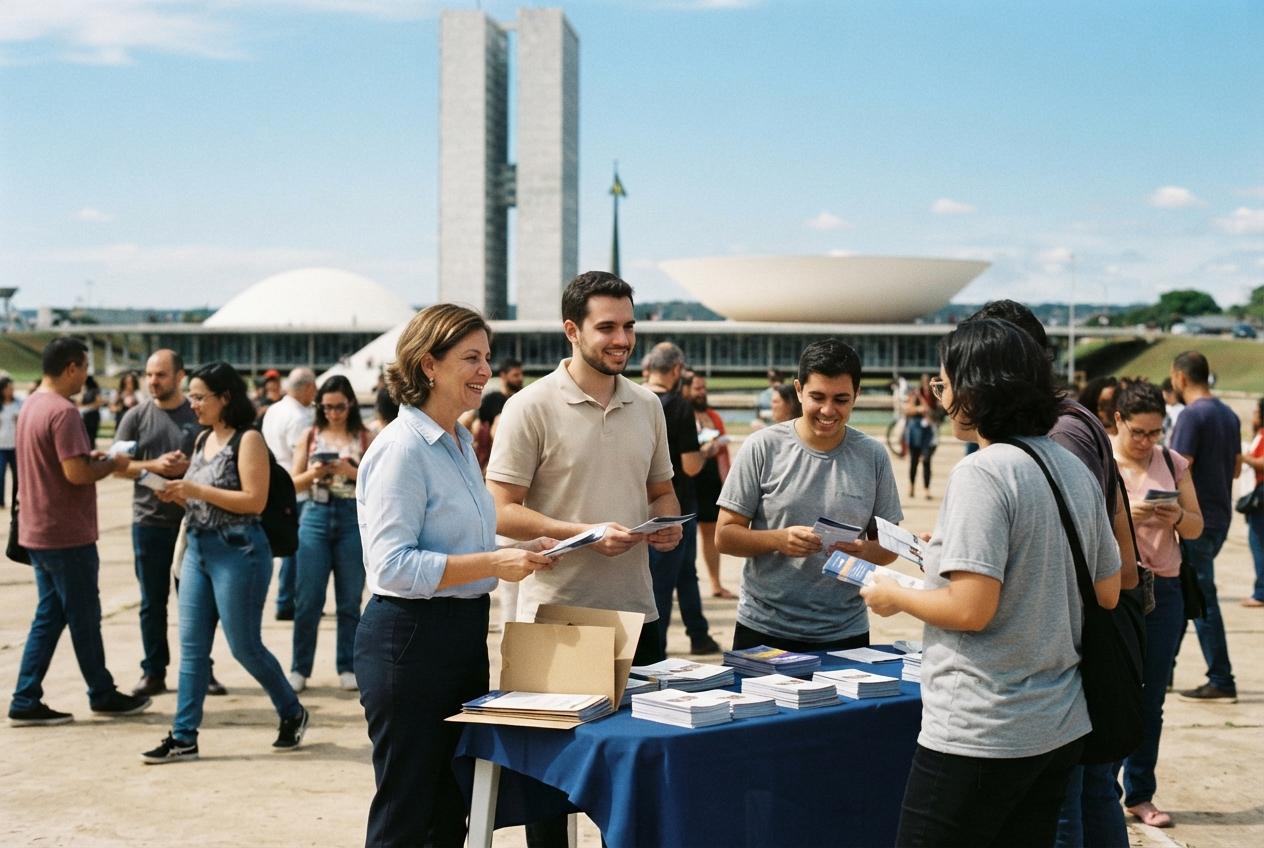
Shoppers of civic support came in the form of information: the Distrito Federal Public Prosecutor’s Office (MPDFT) handed out rights guides at Brasília’s 27th Pride Parade, reaching people where they gather and underlining why legal literacy and inter‑institutional cooperation matter for LGBTQIA+ safety and political participation.
Essential Takeaways
- Who showed up: MPDFT’s Núcleo de Enfrentamento à Discriminação (NED) staffed a stall and distributed informational booklets about LGBTQIA+ rights, with a visible presence at the Esplanada dos Ministérios.
- Where it happened: The activity took place in front of the National Congress during the festival Brasília Orgulho, closing the city’s Pride events.
- What it emphasised: The campaign highlighted political participation , the parade theme urged “LGBT, levante e vote!” , and the need to translate rights into practical access.
- Partner network: MPDFT worked side‑by‑side with OAB‑DF, psychology councils and the specialised discrimination police unit (Decrin), signalling joined‑up strategies.
- Practical feel: The action felt civic and approachable, with easy‑to‑read materials aimed at empowering people to report abuses and claim protections.
Why a prosecutor’s office handing out booklets matters
Seeing someone in an institutional badge on a Pride float feels oddly reassuring, in a quietly powerful way. The MPDFT’s presence sent a clear message: the law is not just abstract, it can be a tool in the hands of people who need protection. According to local reporting, the NED focused on making legal information accessible and on strengthening ties with community partners.
This kind of outreach matters because many people still don’t know where to turn after an incident of discrimination. A leaflet in your hand after a march can be the nudge that turns silence into a complaint. If you’re choosing which materials to use in community outreach, pick concise language, helplines and step‑by‑step complaint routes.
The parade as civic forum , “LGBT, levante e vote!” in context
The 27th Pride Parade closed Brasília’s festival calendar right by the Congress, which is quite the stage for a message about voting and political visibility. Organisers set a clear theme this year about turning visibility into ballots and influence, and local outlets noted the heightened focus on civic engagement.
Campaigns that link celebration with civic action often see better long‑term outcomes. If you’re an activist or organiser, use parades as voter‑registration moments, but keep it friendly and practical , forms, QR codes, and volunteers who can explain next steps make the most difference.
Teamwork makes the outreach work
This wasn’t a lone‑actor stunt. MPDFT joined forces with the OAB‑DF, regional and federal psychology councils, and Decrin, the police unit that handles crimes motivated by discrimination. That kind of network brings legal advice, mental‑health support and investigative follow‑through into one coordinated fabric.
Cooperation reduces gaps. For organisers or institutions looking to replicate the model, start by mapping local stakeholders, agree clear referral paths, and test the messaging together so people get a consistent response whether they need counsel, therapy or to file a report.
What NED does beyond the parade
NED is the specialized unit within MPDFT focused on equality and protecting historically marginalised groups, from LGBTQIA+ people to indigenous communities and migrants. Their work stretches from monitoring public policy to producing studies and offering technical support to prosecutors.
In plain terms, that means the booklets aren’t a one‑off PR exercise , they’re part of an ongoing strategy to put rights into practice. If you’re curious about institutional change, watch for follow‑up actions: workshops, complaint‑statistics releases, or joint protocols with health and education services.
Practical tips for attendees and allies
If you picked up one of these booklets at Pride, keep it somewhere handy and take a photo of any useful phone numbers or QR codes. If you’re an ally, offer to help those who feel uncomfortable filing reports and accompany them to a police station or legal appointment when needed. Institutions can do better by keeping materials multilingual and ensuring helplines work outside office hours.
It’s a small, practical step: information handed out at a festival can be the difference between suffering in silence and getting help.
It's a small change that can make every civic step feel safer.
Source Reference Map
Story idea inspired by: [1]
Sources by paragraph: