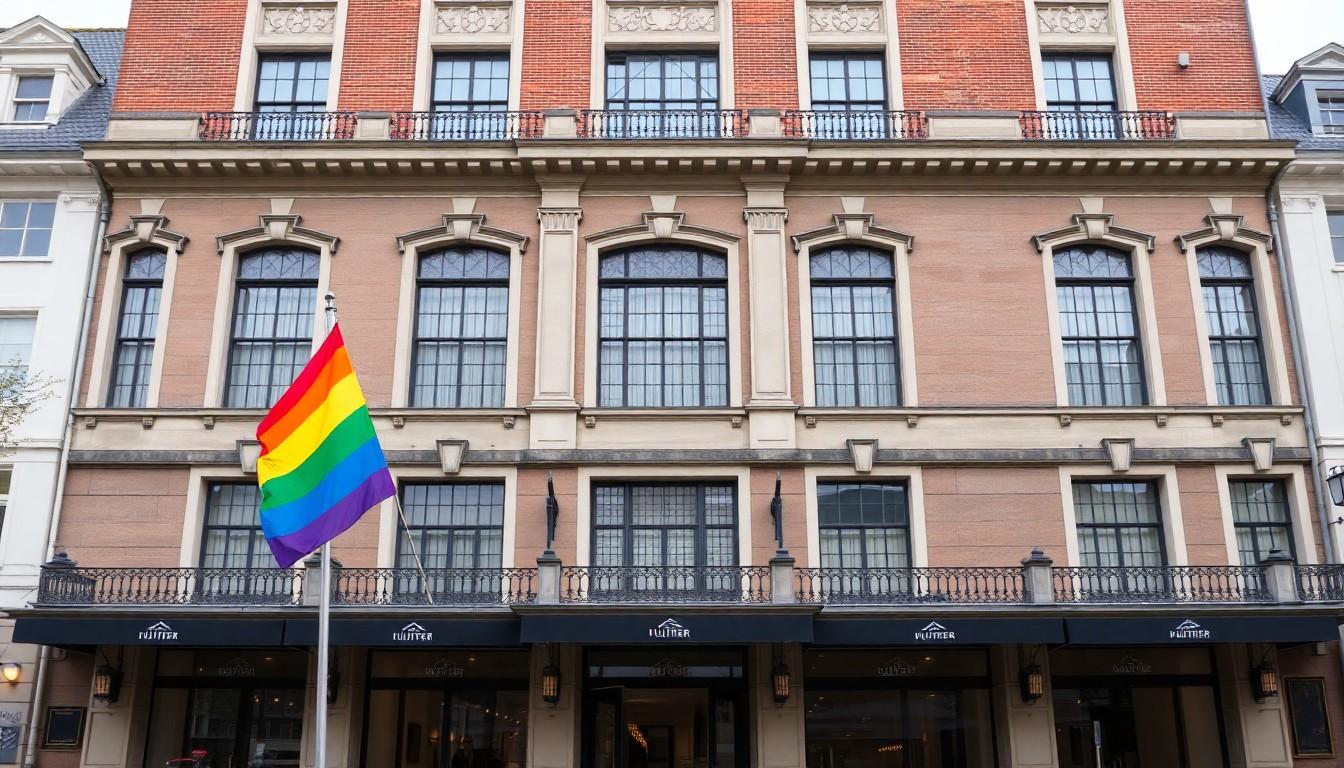
Shoppers and Pride visitors are flocking to Pulitzer Hotel to see Jasper Abels’ Velvet Scars , a striking studio‑portrait pop‑up that celebrates queer beauty, resilience and forgotten histories during WorldPride in Amsterdam. It matters because these images turn courage into something you can almost touch.
Essential Takeaways
- Location and timing: Velvet Scars is a free pop‑up exhibition at Pulitzer Amsterdam, timed to coincide with WorldPride.
- Visual tone: Bold, colourful studio portraits mix glamour with a raw edge , velvet, pearls, and the occasional bruise.
- Purpose: The series honours queer resilience and resurrects lesser‑known 18th‑century persecutions of LGBTQ+ people as part of a wider narrative.
- Notable sitters: Portraits include known figures from the queer community, from drag performers to trans activists.
- Atmosphere: The show feels intimate and theatrical, easy to walk through between Pride events and canal strolls.
Why Velvet Scars feels like a conversation, not a display
The opening image greets you with saturated colour and a stubborn softness , a velvet sleeve, a bruised lip, a look that won’t apologise. That immediate sensory push makes the photos feel less like celebrity portraits and more like invitations to listen. According to Pride Amsterdam listings, the pop‑up sits among WorldPride’s arts events, offering a contemplative detour from the festival’s louder moments. If you’re moving between parades and parties, this is the calm, chic stop that asks you to slow down.
From small‑town memory to global stages
Abels’ personal history sharpens the work. He’s spoken about growing up queer in a conservative town and channelling that tension into images that balance beauty with resistance. The result is portraits that read like short stories: costume and couture meet marks of survival. The Amsterdam show places those stories in a public frame, and organisers hope to ferry the series to other cities after the festival, which would broaden its reach beyond the hotel’s baroque interiors.
The queer past made visible
A thread through Velvet Scars is historical recovery; Abels draws on cases from the 18th century to remind viewers how recent freedom really is. That contextual layer gives the glamour a gravity , the pearls and ballgowns don’t erase harm, they honour endurance. Museums and festivals are increasingly foregrounding hidden queer histories, and this exhibition fits that trend while staying accessible: you can appreciate the composition, then learn the backstory.
Who’s in front of the lens and why it matters
The portraits include well‑known community figures alongside artists and presenters, which makes the series both intimate and civic. The presence of recognised faces underlines the show’s message: visibility can protect and inspire. For visitors, spotting a familiar figure in such a stylised setting is a small, reassuring jolt , a reminder that people who shape culture also carry personal histories.
How to visit and what to expect
The exhibition is free and set inside the Pulitzer’s elegant rooms, so expect tight, thoughtfully staged spaces rather than a cavernous gallery. It’s perfect for a mid‑afternoon stop between canal sightseeing and Pride programming. If you want quiet, aim for weekday mornings; for atmosphere, visit during event evenings when the hotel hums with festival energy. Take your time with each portrait , the work rewards close looking.
It's a small shift to make your Pride weekend richer, and Velvet Scars offers a beautiful, bruised mirror of why visibility still matters.
Source Reference Map
Story idea inspired by: [1]
Sources by paragraph: