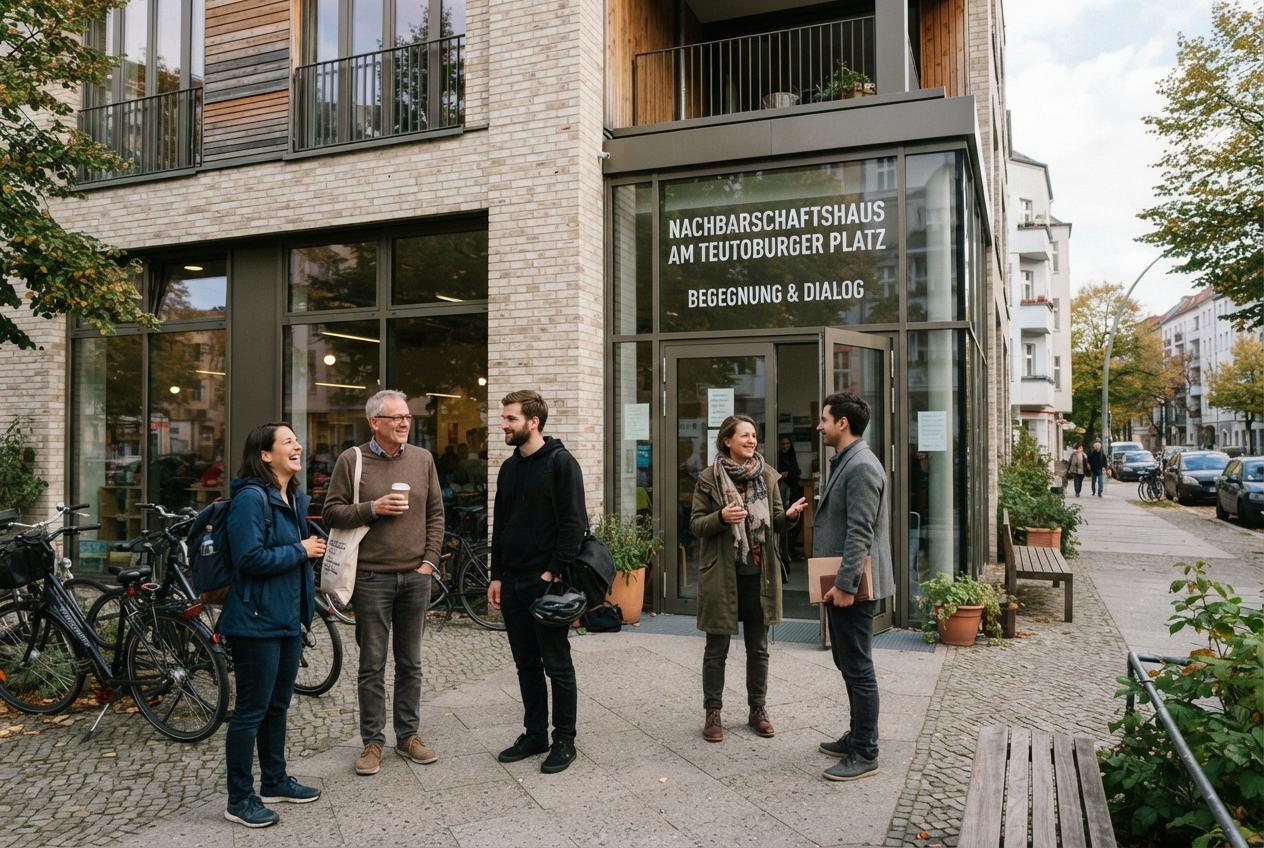
Notice how conversations about Islam in Germany still orbit security headlines; long after 9/11 and a decade of conferences, the question of who truly represents roughly seven million Muslims in the country remains unresolved and politically charged. This matters for social cohesion, countering extremism, and everyday interfaith dialogue.
Essential Takeaways
- No single representative body: Muslim life in Germany is diverse, with no church-like central organisation and many local mosques shaping belief and practice.
- Security lens persists: Debates often flare after attacks, making Islam visible primarily through a law-and-order frame rather than everyday civic contribution.
- Influence varies: Traditional Islam associations reach a significant slice of the community, but only a minority align with liberal or reformist currents.
- Distinguishing shades matters: Authorities and communities must separate violent extremists from devout, constitution-respecting Muslims while challenging illiberal ideas where they appear.
- Practical challenge: Dialogue formats exist but often stall; local engagement and transparent communication help rebuild trust after polarising events.
Why the conversation still starts with security concerns
The late 20th- and early 21st-century security shocks changed how Germany looks at Muslim institutions, and you can still feel that tension in public life. After 9/11, politicians and the public wanted to know who was preaching where, and whether mosques were incubators of radicalism. That focus made sense in context, but it also narrowed the view to suspicion, which many community actors resent. A balanced approach should keep an eye on security while recognising normal, everyday Muslim life.
Authorities created structures like the Deutsche Islamkonferenz to open dialogue, yet progress has been halting. The format was meant to bridge state and Muslim organisations, but two decades on its impact looks modest; debates spike after incidents instead of deepening routine cooperation. For citizens, that means Muslim voices are heard most clearly in moments of crisis rather than as part of steady civic partnership.
No single “Islam” institution , and why that complicates policy
Muslim communities in Germany aren't organised the way churches are, with central registers and formal membership rolls. Instead you get a patchwork of associations, mosques and networks, some tied to countries of origin or transnational movements, others rooted in local neighbourhood life. That makes it hard for politicians to know whom to engage and for the public to know who speaks for whom.
The lack of a clear representative body fuels political caution: many ministers steer well clear of islampolitics because there's little obvious political upside and lots of risk. Practically, this means local authorities, mosques and civil-society groups often have to build relationships one by one, which takes time and trust , the very thing that frays after polarising events.
Where lines blur: tradition, legalism and extremism
There are important shades within Muslim organisations. At one end you find violent extremists; at another, devout communities that adhere to conservative interpretations but operate firmly within the constitution. Between them sits a legalist strand , actors who play by the rules yet push for an illiberal social order, for instance invoking homophobic or antisemitic ideas under the guise of tradition.
Distinguishing these currents is vital for policy and everyday life. Security services, social workers and mosque leaders all need to recognise when intervention is required and when patient, local engagement will be more effective. Communities report that nuanced, sustained work , youth projects, transparent funding and theological debate , pay dividends in reducing susceptibility to radical messages.
Dialogue exists , but it’s fragile and often local
Churches and Muslim groups have long tried to keep conversation channels open, especially at municipal and parish level. Yet major geopolitical shocks, such as wars or terrorist outrages, can sever those ties overnight. The fallout from the Hamas attack and the subsequent debates about loyalties showed how quickly dialogue frays when emotions run high and accusations fly.
Closed-door meetings with officials, perfunctory statements from associations and the occasional public rebuke don’t replace everyday contact. A practical approach is to strengthen grassroots exchange: shared community projects, school partnerships and local mediation can keep relationships alive when national rhetoric turns sharp. That’s where trust is actually rebuilt.
What policymakers and citizens can do now
Policymakers should stop treating Islampolicy as a single-issue file and start investing in long-term, local capacities , civic education, support for independent mosque leadership and youth outreach. According to reporting across German outlets, bans and police action against extremist networks are necessary, but they must be coupled with opportunities for moderate voices to grow.
For citizens, the most useful step is simple: engage locally. Attend interfaith events, ask which group runs your neighbourhood mosque, and support initiatives that encourage theological debate and openness. Small, sustained gestures of curiosity and oversight matter more than headline-grabbing statements.
It's a small change that can make every conversation steadier and every community safer.
Source Reference Map
Story idea inspired by: [1]
Sources by paragraph: