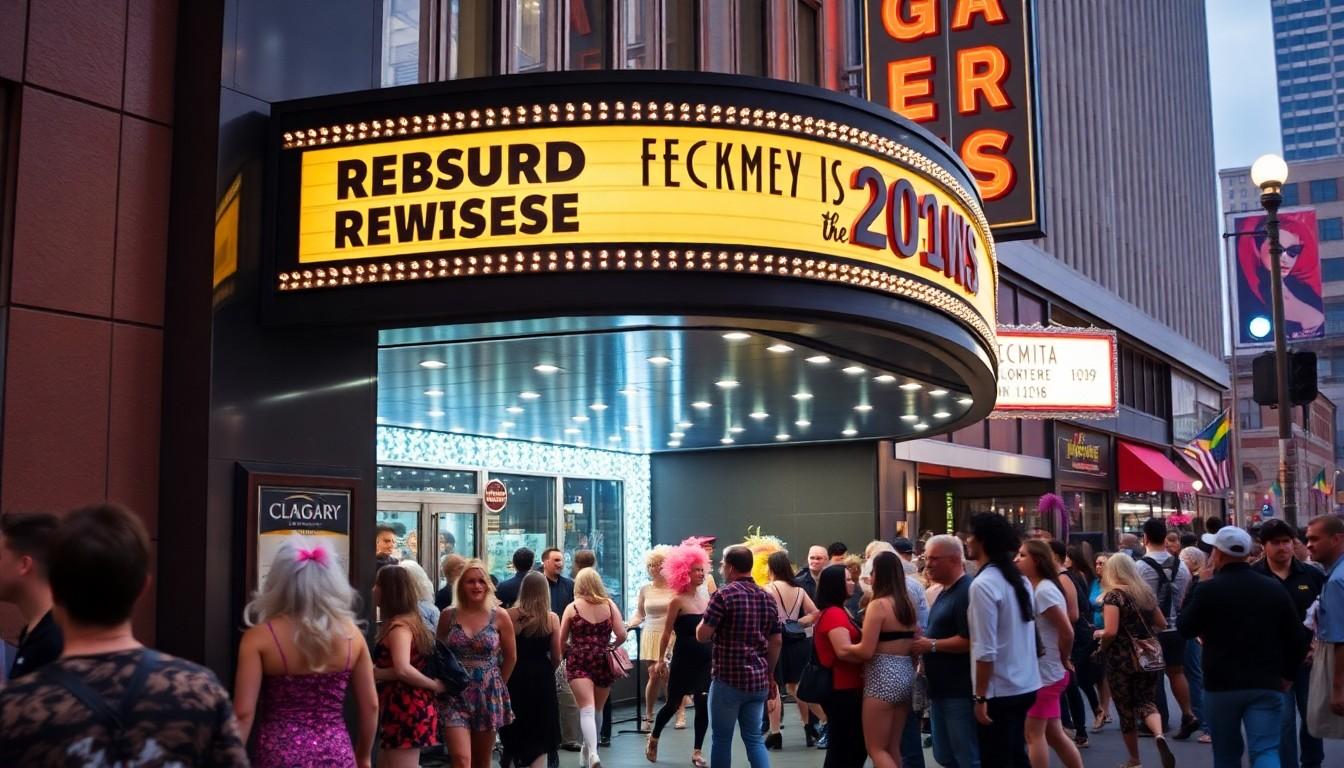
Shoppers of spectacle and fans of fierce fashion packed Calgary as Drag Me to Cowboys smashed the Guinness World Record, bringing star power, local talent and a message , why the world’s largest drag show matters culturally and politically in 2026.
Essential Takeaways
- Record set: Guinness World Records confirmed 7,423 attendees at the Drag Me to Cowboys show, the largest-ever drag performance audience.
- Big names: RuPaul headlined alongside Sasha Velour, Sasha Colby, Roxxxy Andrews and Coco Montrese, mixed with celebrated Canadian performers.
- Anniversary stage: The event marked the 30th Drag Me to Cowboys, staged on a major music festival platform with high production values.
- Pride on stage: Performers and organisers framed the show as both celebration and statement amid recent Alberta education and flag-policy debates.
- Standout moments: Theatre-meets-club moments , think a blue tasselled armchair costume , kept the crowd roaring and the energy electric.
A record-breaking night that felt like a party and a protest
The strongest image from the night is pure joy: thousands of people cheering under a festival sky while RuPaul DJs and performers transform the stage. Guinness World Records adjudicators confirmed the new benchmark for attendance, and the crowd’s noise registered as something close to palpable. According to Guinness, 7,423 people were counted, making this the largest drag show to date.
Organisers treated the 30th anniversary as an opportunity to go large, and it showed. The scale of the production, the roster of international names and the local talent combined to create a spectacle that felt both triumphant and deliberate. For fans it was theatre and release; for performers, it was a visible reminder of drag’s cultural reach.
Star power meets local roots , why the line-up mattered
Bringing RuPaul together with Sasha Velour, Sasha Colby, Roxxxy Andrews and Coco Montrese gave the night headline glamour, but the local performers kept the evening anchored to Alberta. The mix meant moments that were glossy, camp and intimately community-driven all at once.
Host Farrah Nuff, a Calgary queen, described the event as the result of a decade of work with Cowboys. That long-term investment in the festival circuit is how a local idea turns into a record attempt. For festival programmers and queer producers, it’s a clear blueprint: build relationships, programme inclusively, and don't be afraid to aim for the extraordinary.
Drag as celebration and political statement
The crowd wasn’t just there for sequins , many performers spoke about visibility and resistance. Host commentary made clear that drag remains political, a point driven home when Farrah Nuff recounted being abandoned by a rideshare driver upon being seen in drag. Those anecdotes landed in a wider context: recent provincial policy shifts around education and public symbols have made public queer affirmation feel especially meaningful.
News outlets have reported on changes that affect how gender and sexual orientation are taught or displayed in Alberta, so a packed, proud drag show on one of the province’s biggest stages resonated beyond entertainment. For many attendees it read as joyful defiance.
Memorable moments and the show’s sensory highs
If you want a moment to describe the night, try Sasha Velour emerging as a blue tasselled armchair to booming club music , theatrical, absurd and utterly theatrical in the best way. RuPaul both danced and DJ’d, keeping momentum high, while each act tried to top the last.
Those sensory details matter: the lights, bass, the texture of costumes and the collective roar. For festivalgoers who love production value, the show delivered. For anyone organising a similar event, note the importance of a tight running order, high-quality sound and a roster that balances novelty with reliable crowd-pleasers.
What organisers hope this record will change
Organisers told Guinness they wanted to spread awareness about the history and artistry of drag globally. Setting a record is a headline-grabbing way to do that, but it’s also a signal to programmers and funders that drag can fill major stages and draw mainstream audiences.
Looking ahead, expect more festivals to programme drag as a central attraction, not a niche side stage. That shift helps normalise drag as both art and community expression, and it gives performers wider platforms and better pay. For audiences, it means more chances to see expansive, ambitious shows in big venues.
It's a small change that can make every performance feel like progress.
Source Reference Map
Story idea inspired by: [1]
Sources by paragraph: