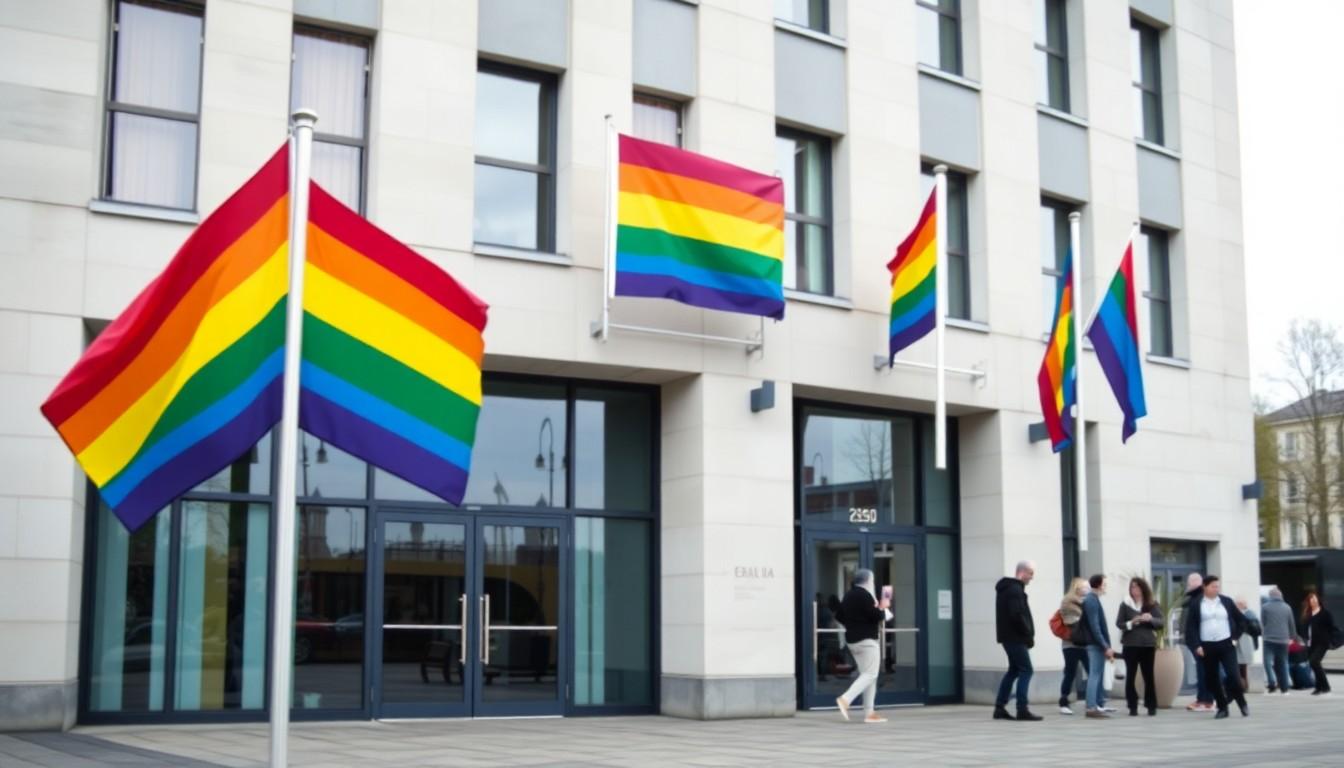
Watch how the Berlin Pride attack reopened a fraught debate: who should get centre-stage when Islamist-motivated violence targets LGBTQ+ communities, and why this matters for trust, safety and progressive Muslim voices in Europe. Journalists, activists and researchers are now arguing over facts, framing and the future of inclusive debate.
Essential Takeaways
- What happened: An attacker with reported Islamist motives targeted Berlin Pride, renewing fears for public LGBTQ+ safety and sparking wide media attention.
- Polarised framing: Some commentators stress Islamist ideology; others warn that the attack is being used to criticise Muslims generally.
- Voices from inside: Progressive Muslim activists say faith can be reinterpreted to contest homophobia, but need platforms and sustained support.
- Youth attitudes matter: Surveys suggest negative attitudes towards LGBTQ+ people have risen among pupils, with those identifying as Muslim showing higher-than-average negativity.
- Policy response: European authorities are discussing stepped-up monitoring of extremist individuals while civil society pushes for better protection of minorities.
How the Berlin attack refocused attention , and emotions
The attack on a Berlin Pride event landed like a cold splash: people’s fear felt immediate and intimate, especially among queer communities. Reuters and CBS News reported the incident as an assault on a public celebration, not just a crime scene, and that altered its emotional weight. Media coverage quickly split: some outlets foregrounded Islamist links, others highlighted wider threats to queer visibility from different ideologies. That divergence matters because it shapes who gets protection and who gets blamed.
Look for practical fallout: more visible policing at Pride events and renewed calls for specialist support for survivors. Meanwhile, campaigners warn that if coverage skews one way, it can stoke distrust between communities rather than fix the root problems.
Is the debate ignoring nuance , or weaponising it?
Several commentators argue we’re seeing “ideologically selective perception”: easy clarity about far-right threats, but hesitancy to name Islamist motives. AP and Tagesschau pieces underline how both extremes endanger LGBTQ+ people. Yet others say the attacker’s background is being used as political ammunition to criticise Muslims broadly.
That tug-of-war has real consequences. If public debate collapses into soundbites, policymakers and social services may miss patterns in who is targeted and why. A more nuanced approach would distinguish violent extremism from everyday mosque communities, while still confronting dangerous ideas that justify violence.
Progressive Muslim voices want a seat at the table
Muslim LGBTQ+ activists have been particularly vocal: they don’t ask for immunity from scrutiny, but they do insist on agency. As reported by Svenska Dagbladet, people like Akbar Abdul Rasul argue that Islam is not monolithic , it can be interpreted to support human rights , and that progressive Muslim theology needs sustained platforms.
This is practical as well as symbolic. Theology that affirms queer dignity requires universities, funding and media attention, not occasional op-eds when a story breaks. For readers, that means looking for and amplifying Muslim-led reform projects, and supporting charities that build bridges rather than polarise.
Attitudes among young people are a warning sign
Survey data from Sweden’s Forum for Living History, cited in coverage of the debate, shows rising negative attitudes to LGBTQ+ people among school pupils since 2013, with pupils identifying as Muslim reporting more negative views on average. That’s worrying because schools are where long-term social norms form.
So what helps? Inclusive sex and relationship education, safe school climates, and community-led outreach tend to shift attitudes. Policymakers should invest in teacher training and parent engagement so that prejudice can be challenged early and constructively.
What authorities are doing , and what civil society asks for
European governments are tightening surveillance and follow-up of suspected extremists in the wake of the Berlin attack, a response reported in El País and other outlets examining policy shifts. That approach aims at immediate risk reduction, but it raises questions about civil liberties and the potential for stigmatising whole communities.
Civil society groups counter that security measures must be paired with measures to protect targeted minorities: trauma services, legal support, and clear hate-crime recording. For ordinary readers, that means watching for balanced policy that protects people without fuelling prejudice.
It's a small change that can make public debate safer and more honest.
Source Reference Map
Story idea inspired by: [1]
Sources by paragraph: