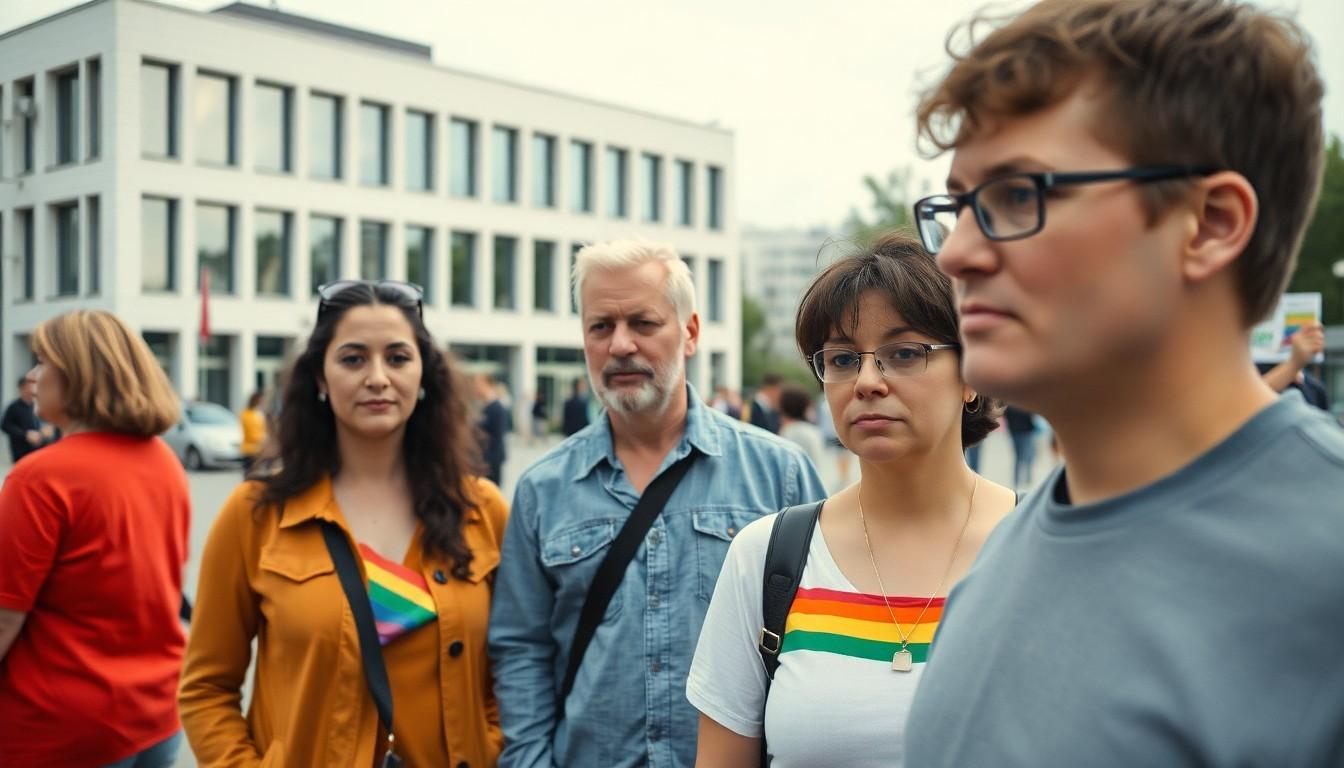
Notice how quickly narratives snap into place after a crisis: viewers want facts, communities want safety, and some people want a scapegoat. Shoppers for headlines and onlookers alike watched the Berlin CSD attack unfold, and the story that matters now is who gets heard , especially Muslim queer voices that complicate easy pictures of victim and villain.
Essential Takeaways
- Immediate shock: The Berlin CSD attack left people grieving and many scrambling for answers; initial reactions revealed how identity often outruns empathy.
- Double vulnerability: Muslim queer people face both queerphobia and antimuslim racism, making public scrutiny particularly painful and erasing private grief.
- Historical context: Same-sex desire has long histories in Islamic cultures; current homophobia in many Muslim-majority societies is shaped by colonial and nationalist legacies.
- Community solidarity: Queer communities in Germany largely responded with cross‑community solidarity, refusing to let one tragedy be used to justify discrimination.
- Practical point: When covering or supporting affected groups, centre survivors’ needs, avoid instrumentalising identities, and listen to minority voices who bridge communities.
A raw moment that showed how identity shapes instant reactions
The first images and alerts from the CSD site landed like a blow, and people’s first thoughts betrayed a deeper habit: trying to place the attacker in an existing story. According to local reporting, many and varied reactions followed, from horror to immediate speculation about background. That split-second tendency , to hope for a familiar villain or to fear a certain other , tells you how racialised and sexual identities are already weaponised in public conversation. For readers, the simple practical take is to pause before you share: rumours harden into policies and prejudice faster than facts do.
Why Muslim queer people are squeezed from both sides
Reports and comment threads since the attack have made an ugly pattern clear: Muslim queer people pay a double price. They’re expected to publicly distance themselves from violence they didn’t commit, while also being blamed by parts of the right for supposed cultural failures. Coverage in German regional outlets shows queers facing renewed fear, and queer platforms highlight how Muslim identities complicate easy narratives. If you want to help, donate to survivor funds, support queer‑inclusive Muslim groups, and amplify voices that insist on nuance rather than collective blame.
The long view: queer histories in Islamic cultures
It’s worth stepping back from headlines and noticing that same‑sex desire and its literary expression have long roots in many Islamic societies. Scholars argue that modern homophobia in several countries was deepened by colonial-era laws and later nation‑building, not simply by ancient religious texts. That historical perspective matters because it undercuts claims that queerness and Islam are inherently incompatible , a point activists keep making as they resist erasure. For journalists and allies, referencing this context helps challenge crude, ahistorical frames.
How communities resisted instrumentalisation after the attack
In the days after the incident, many queer groups were quick to push back against being used as a cudgel in political fights. Community leaders publicly mourned and called for solidarity, while some commentators urged restraint instead of weaponised outrage. Coverage on mainstream outlets recorded both grief and the careful refusal to let one tragedy justify attacks on civil liberties or mass surveillance. Real-world solidarity looked like shared vigils and cross‑faith statements, and it’s the kind of humane response policymakers should notice and emulate.
What needs to change , practical ideas for a different script
The author of the F.A.S. piece imagines concrete shifts: visible political gestures, funding for migrant queer projects, and theology taught with feminist and queer lenses. Those ideas are small, but they’d reshape the default script: instead of "us versus them" they’d normalise plural belonging. Start local: push for safe spaces in community centres, demand non‑instrumental media attention, and support cultural work that recovers plural histories. It’s a patient project, but cultural shifts start with tiny institutional changes.
It's a small change that can make every public moment safer and more honest.
Source Reference Map
Story idea inspired by: [1]
Sources by paragraph: