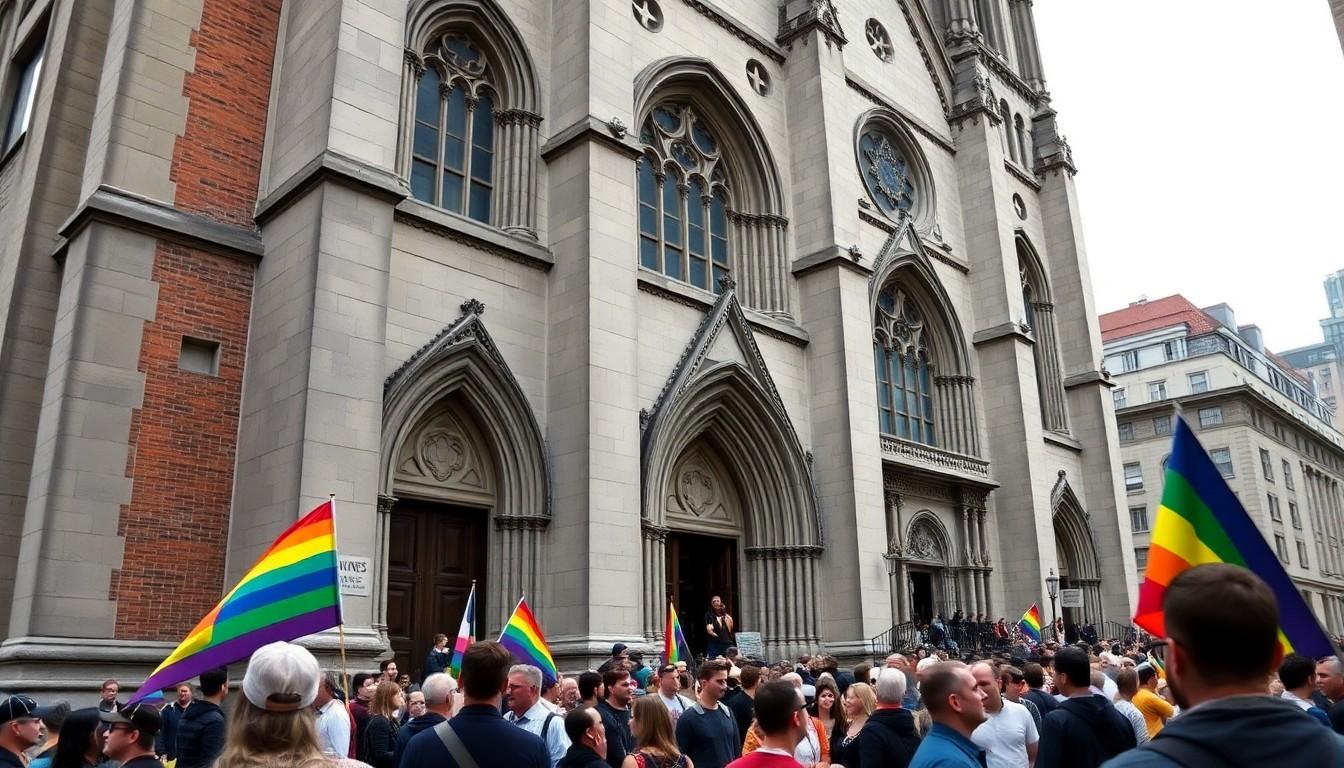
Shoppers of spiritual connection are turning their eyes to New York this September, as Fr James Martin’s Outreach leads an “LGBTQ Catholic history” pilgrimage that promises prayer, remembrance and community at sites that matter to many Catholics and queer people alike. Here’s what it is, who’s involved, and why it’s stirring debate.
Essential Takeaways
- When and where: The pilgrimage runs September 25–27 in New York City, with stops at AIDS Memorial Park, the Stonewall National Monument, and several city parishes.
- Who’s leading: Fr James Martin, SJ, organiser of Outreach, will guide the trip; Jesuit Fr Michael Zampelli will celebrate a Mass.
- What to expect: Prayer services, Masses at parishes with active LGBTQ ministries, and speakers including people who worked during the AIDS crisis.
- Why it matters: The event sits at the crossroads of pastoral outreach and heated debate over Church teaching on homosexuality and gender.
- Practical note: Pilgrims should expect a mix of public memorial visits and liturgies in parish settings; comfortable shoes and a respectful demeanour will help.
What the pilgrimage actually is , and feels like
This three-day programme aims to “bring together LGBTQ Catholics, allies and those who minister to them,” with stops at public memorials and parish Masses. Think quiet moments at the AIDS Memorial Park, the palpable history around the Stonewall National Monument, and the calmer, ritual space of St Paul the Apostle and other churches. The tone is meant to be reflective and communal, not a sightseeing tour, so expect prayerful pauses and conversation as much as walking.
The pilgrimage follows Outreach’s previous Rome visit, showing the group’s interest in linking sacred sites with queer Catholic stories. Organisers say it’s about spiritual companionship; critics say it blurs lines with official Church teaching. For anyone going, bring a water bottle, a small umbrella and an open, respectful attitude.
Who’s on the roster , familiar faces and AIDS-era memory
Fr James Martin leads Outreach and is well known for his public support of LGBTQ pastoral outreach, which has drawn both praise and criticism. Fr Michael Zampelli, a Jesuit board member for Outreach, will celebrate Mass at St Francis Xavier. Speakers include Sister Karen Helfenstein, who worked as a nurse at St Vincent’s during the height of the AIDS epidemic , a voice that will bring lived history and memory to the programme.
That mix of clergy and witnesses is part of the pilgrimage’s appeal but also its controversy; some observers emphasise pastoral inclusion, others worry events like this send mixed messages about doctrine. If you want firsthand testimony and a human face on the AIDS years, this pilgrimage will deliver it.
Where faith and doctrine clash , the wider debate
The pilgrimage arrives amid ongoing tensions inside the Church over pastoral outreach versus doctrinal clarity. The Catechism’s language about homosexual acts and the call to chastity for homosexual persons is central to critics’ concerns, who argue any outreach must pair welcome with a clear call to repentance. Supporters counter that pastoral ministry needs to meet people where they are, offering accompaniment and care.
This isn’t just an abstract argument; it affects parishes, sacramental ministry and how Catholics who are LGBTQ feel seen by the Church. If you’re weighing attendance, consider your priorities: are you seeking pastoral support and community, or are you looking for a strictly doctrinal framing? The pilgrimage leans toward pastoral encounter.
Practical tips for pilgrims and curious onlookers
If you plan to attend or follow the event, know the logistics: liturgies will be held in functioning parishes, and public memorial visits will be outdoors and accessible. Dress modestly for Mass but comfortably for walking. Expect a mixed-age crowd and a variety of perspectives in conversations , keep an open ear and a clear boundary for what you personally find acceptable.
For those watching from afar, read parish and diocesan statements if you want the official lines, and look for personal testimonies from participants afterwards. They’ll give the clearest sense of how the weekend felt on the ground.
What comes next , why this matters beyond a weekend
Pilgrimages like this do more than mark dates on a calendar: they shape how communities remember trauma, celebrate identity and practise faith in public. Whether this particular weekend changes hearts or deepens divisions depends on what happens at the parish level after the last Mass is said. Expect more conversation in diocesan halls and online forums in the weeks that follow.
If nothing else, the pilgrimage is a reminder that faith communities keep negotiating how to be pastoral, honest and humane in a complicated world.
It's a small change that can make every prayer feel a little more neighbourly.
Source Reference Map
Story idea inspired by: [1]
Sources by paragraph: