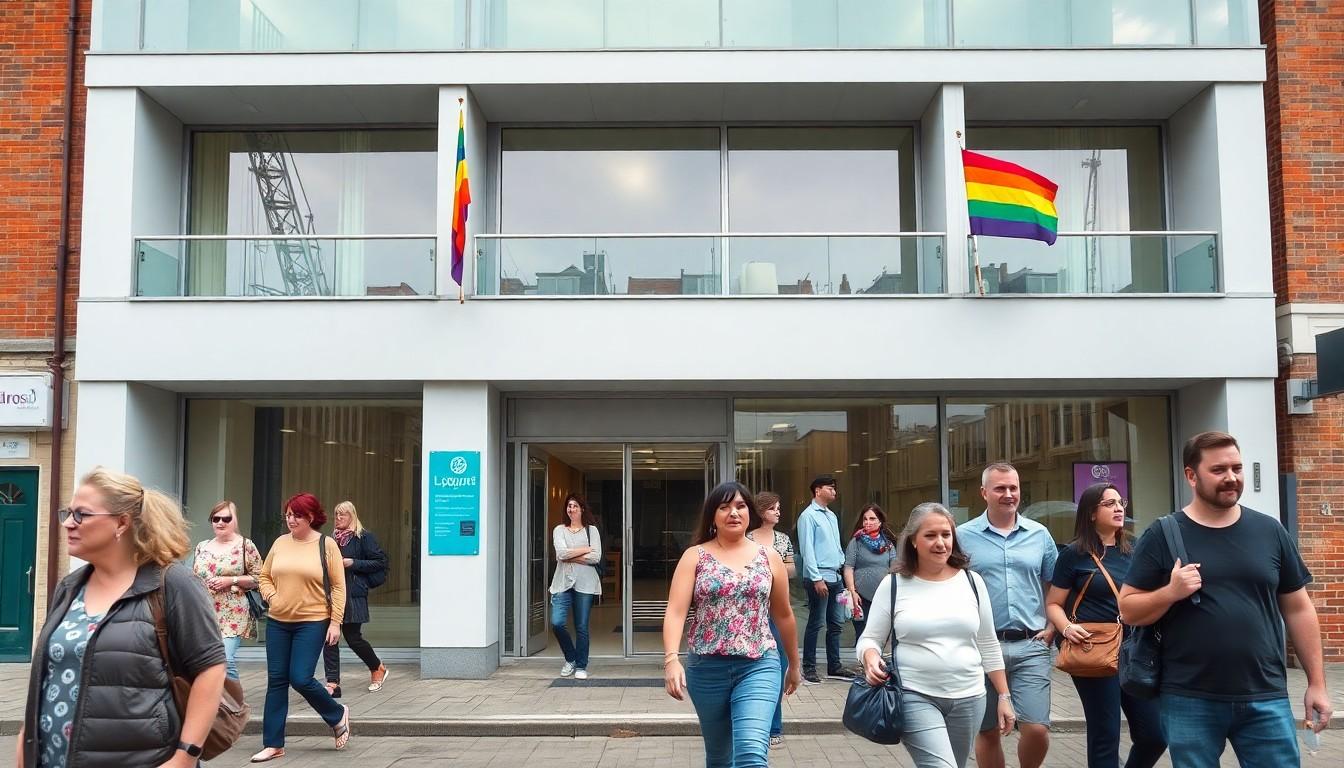
Remembering a tiny protest that grew into one of the UK’s most visible LGBTQ+ celebrations, Brighton Pride at 35 shows how campaigning, community and commerce have collided , and why the parade still matters on the seafront even as ticketed events spark debate about accessibility.
Essential Takeaways
- Origins: Brighton Pride began as protests against Section 28 and grew from marches into a large annual festival with roots in activism.
- Scale: What started small is now one of the UK’s biggest Pride events, mixing free public parades with paid performances and parties.
- Tension: Some say the festival feels too commercial and exclusionary, with ticketed events costing from modest to premium amounts.
- Access: The parade remains free to watch on the seafront, offering a public space for visibility and celebration.
- Organisers’ view: Event teams point to rising costs and safety needs as reasons for ticketing and scaled production.
How a protest against Section 28 turned into a seaside spectacle
Brighton’s first gatherings were raw, urgent and political: neighbours and activists marching against Section 28, the law that forbade councils and schools from “promoting” homosexuality. Those early emotions still linger when you watch the parade roll down the seafront, where handmade banners and the odd megaphone mix with glitter and sequins. According to local histories, that activism provided the seed for a community ritual that’s been nurtured every year since. For many long-time attendees, Pride remains as much about remembering those fights as it is about having fun.
From community project to big-budget festival , why the change happened
Over decades small community projects matured into an elaborate weekend of stages, headline acts and sponsor-branded arenas. Organisers argue that mounting costs , from stewarding and sanitation to licensing and medical cover , pushed them toward ticketed headline performances. Brighton Pride’s own archives show a deliberate shift: community-focused programmes alongside commercial partnerships. If you enjoy festival production values and big-name music, the ticketed events deliver , but they also change the character of what used to be a grassroots march.
The accessibility debate: celebration versus exclusion
There’s a real sting behind complaints that Pride has become “too commercial.” Ticket prices can vary widely, and for some members of the community those costs are a real barrier. At the same time, the parade itself remains free and open to all, providing a visible, shared space for people who can’t afford festival wristbands. If you’re planning to attend and money’s tight, head for the seafront parade, join community-run fringe events, or look out for discounted or volunteer ticket schemes that sometimes appear in advance.
What the parade still gives the city and the community
The spectacle on the promenade is more than a showpiece: it’s a public declaration of presence, solidarity and safety. Locals and visitors line the route, waving, cheering and sometimes crying when familiar campaigners are honoured. The event pumps cultural life and income into the city, but it also offers a rare moment where LGBTQ+ history is visible in daylight. For people who remember the activism of the early nineties, that continuity matters , it’s both protest and pageant.
Choosing how to join Pride: tips for first-timers and returnees
If you’re going to Brighton Pride, decide what matters: parade atmosphere, headline acts, or community stalls. For a low-cost, high-impact experience, find a spot on the seafront for the parade and explore the free community area. If you want the gigs, book in advance and watch for volunteer opportunities or concessions. And if you’re attending with friends who have accessibility needs, check organisers’ guidance on viewing platforms and accessible facilities before you go.
It’s a small change that can make every visit to Pride feel more inclusive and meaningful.
Source Reference Map
Story idea inspired by: [1]
Sources by paragraph: