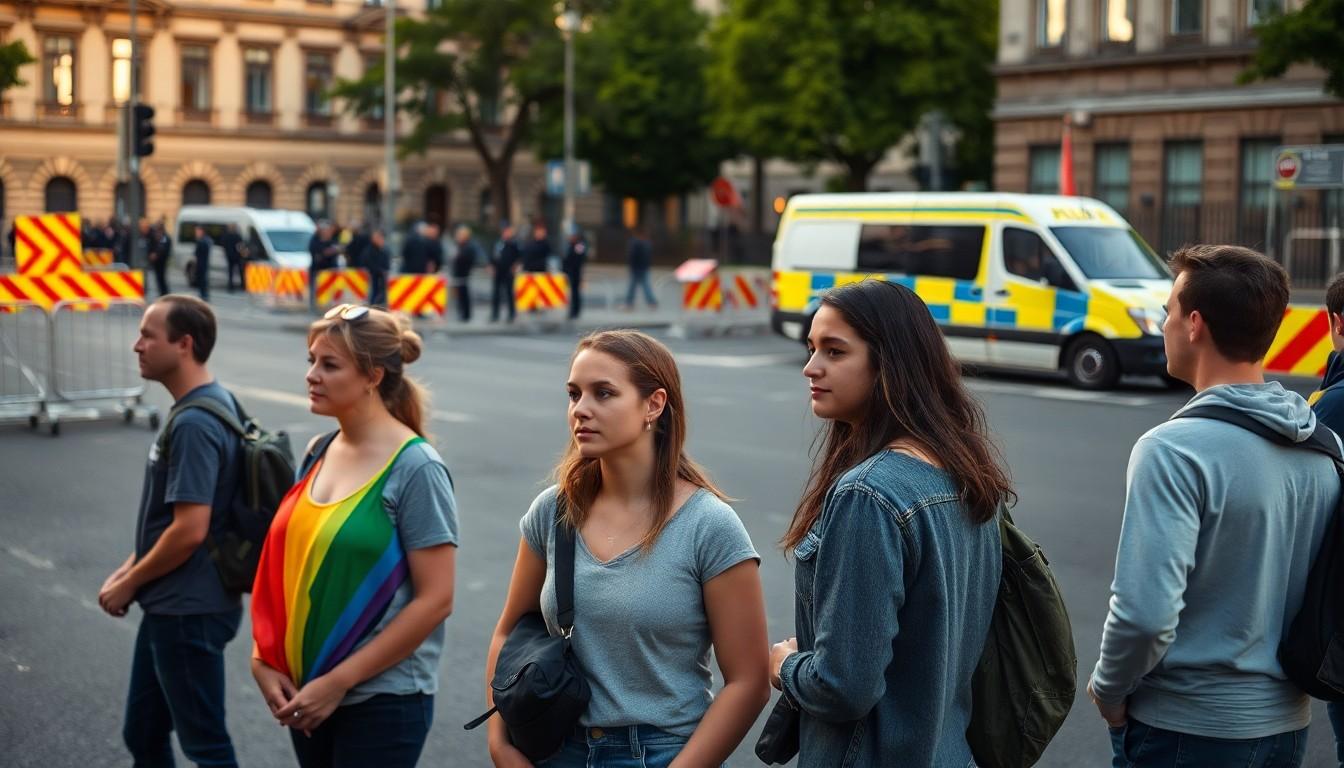
Shoppers, marchers and families watched in horror as a van ploughed into a Pride crowd in Berlin, underscoring that visibility hasn’t guaranteed safety; readers should know what happened, why it matters for LGBTQ+ communities across Europe, and what to consider when attending public Pride events.
Essential Takeaways
- What happened: A van rammed into a Berlin Pride crowd, killing one person and injuring others; police later shot dead the suspected attacker.
- Terror link reported: Authorities treated the incident as an Islamist-motivated terror attack, according to multiple international outlets.
- Visible fear: The crash follows fresh Dutch figures showing many LGBTQ+ young people still hide their identity at home or school, a sign safety is uneven.
- Practical caution: Event-goers should note increased security, stay aware of exits and follow organisers’ safety guidance.
- Long view: Progress in laws and culture hasn’t removed the risk of individual violence or the online ecosystems that can feed it.
What we know about the Berlin incident right now
Police in Berlin responded swiftly after a van drove into people gathered for a Pride event, leaving one dead and scores hurt. Reports from Reuters, Al Jazeera and The Guardian indicate the suspect was shot by officers at the scene and that investigators treated the attack as Islamist-inspired. The images and eye-witness accounts are stark: the low, sudden thud of a vehicle turning celebration into chaos, and the quiet shock afterwards.
This attack landed hours after Dutch broadcasters highlighted troubling statistics about LGBTQ+ youth safety, bringing the risk into sharp relief across borders. News agencies reported a rapid security operation, and officials are continuing to piece together motive, background and potential accomplices. For many watching the footage, the shock is doubled by the sense that Pride , meant to be joyous and defiant , can be pierced in an instant.
Why this feels like a return to an unsafe moment
It’s easy to assume legal wins and broader acceptance mean safety is now normal. But journalists and LGBTQ+ advocates remind us that visibility doesn’t erase vulnerability. The story in Dutch media about anonymous interviews and young people blurring their faces to avoid reprisal mirrors a wider truth: social acceptance is uneven, and private hostility can be lethal.
The Berlin attack is another example of violence by individuals radicalised to hate, rather than state-sponsored persecution of earlier decades. That shift matters; it changes how communities protect themselves, how police prepare and how families cope. We’ve moved from institutionalised oppression to scattered but potent threats, amplified by online radical networks and extremist ideologies.
How organisers and attendees are reacting , and what that means for Pride
Organisers are used to balancing openness with security, and this incident will only stiffen those decisions. Expect more barriers, stricter bag checks and visible police presence at upcoming marches. Some Pride events may reroute or scale back floats and performances to limit exposure.
If you’re planning to attend, practical steps help: scout entry and exit points ahead of time, buddy up, follow event safety briefings and report anything that looks off. For families with young people who’re still closeted or worried, organisers often provide signposted safe spaces and confidential support , use them. The aim is to preserve the spirit of Pride while taking sensible precautions.
The wider picture: laws vs lived experience
Legal advances , civil partnerships, marriage equality, anti-discrimination laws , are real milestones, and the media coverage of them has shifted public debate. Yet reporting from multiple outlets shows that lived experience can lag far behind legislative progress: many LGBTQ+ youths still conceal their identity from parents or classmates, and large minorities feel unsafe at school.
That gap between law and everyday life explains why an attack like Berlin’s lands so heavily. It’s a reminder that rights on paper need cultural reinforcement, education and mental-health resources. Governments and communities must invest not only in statutes but in schools, social services and digital literacy to counter radicalisation and bullying.
What to watch next and how you can respond
Authorities will continue the criminal inquiry and monitor extremist networks for links. Meanwhile, communities are likely to hold vigils, tighten security at Pride events and demand clearer protections. For readers who want to help, consider supporting local LGBTQ+ charities, volunteering at safer-space initiatives, or donating to victim support funds.
And remember: staying informed is useful, but don’t let fear erase the point of Pride , visible solidarity, mutual care and the simple but fierce claim to occupy public life. It’s sensible to be cautious; it’s also important to keep showing up.
It's a small change in habits, but it can make every march and meetup feel safer.
Source Reference Map
Story idea inspired by: [1]
Sources by paragraph: