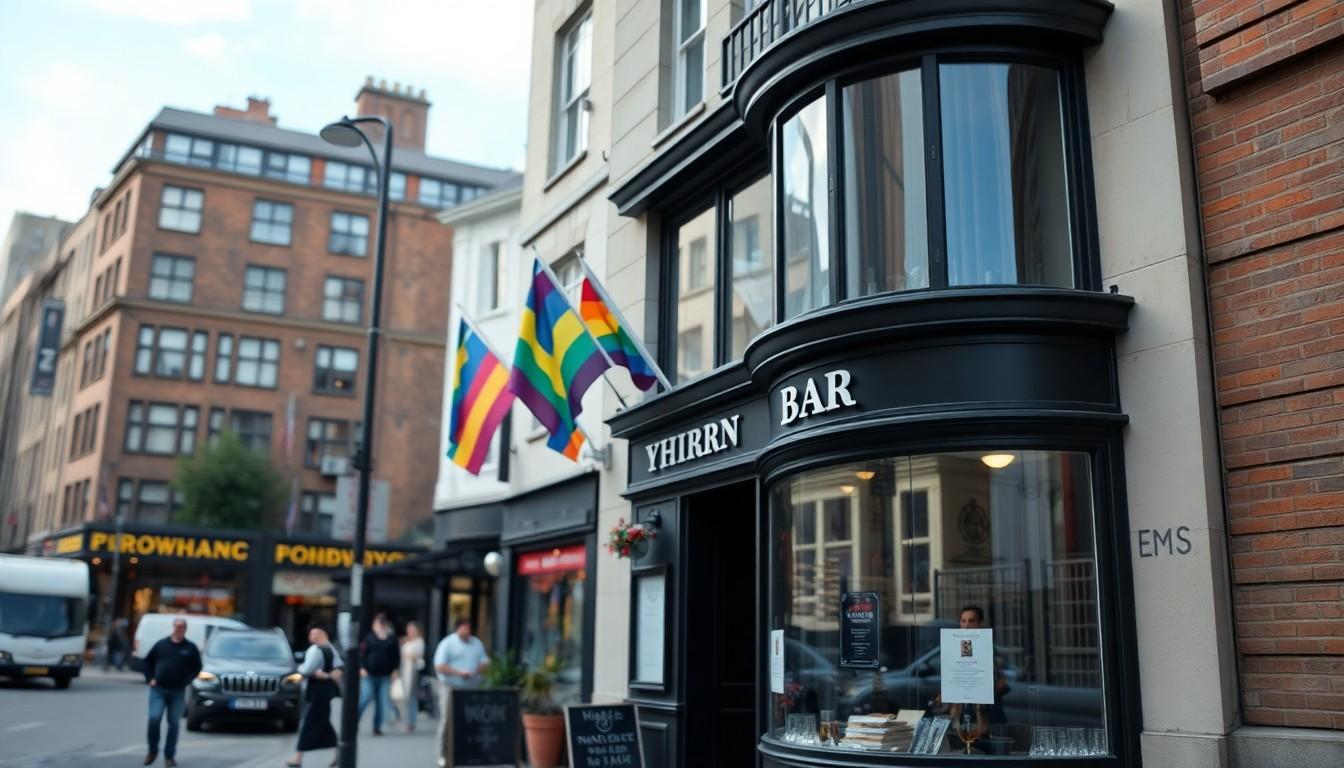
Shoppers, patrons and community organisers noticed accounts for San Francisco institutions went dark during Dore Alley , a high-profile leather celebration , and the timing has reignited concerns about Meta’s moderation of LGBTQ+ content and local venues’ ability to reach their audiences.
Essential Takeaways
- Timing matters: Several LGBTQ+ Instagram accounts, including The Stud and the Leather District, were suspended during Dore Alley, disrupting event promotion and community access.
- Pattern of suspensions: Advocacy groups and local media say this fits a wider trend of restricted queer and sexual-health-related accounts on Meta platforms.
- Policy changes under scrutiny: GLAAD and others point to recent Meta policy shifts they say leave LGBTQ+ people less protected from hateful or demeaning content.
- Business impact: Small, collectively run venues report real financial and operational risk when their social channels vanish at peak moments.
- Restorations not guaranteed: Some accounts were restored quickly, others remain lost or were never returned, prompting calls for clearer processes and accountability.
A community weekend interrupted , what happened at Dore Alley
The most immediate sting was practical: Instagram accounts for The Stud, a storied queer bar, and the Leather District were suspended in the run-up to one of San Francisco’s busiest leather weekends. The silence felt loud , posters couldn’t be shared, ticketing links didn’t reach followers, and the community lost a vital way to coordinate. Local leaders described a hollowed-out, anxious feeling; the marketing lifeline for small venues is often their social feed, and when that’s clipped, plans wobble.
According to reporting, the accounts were eventually reinstated. But that quick fix didn’t erase the interruption or the very public questioning of how automated moderation and vague rules can unsettle LGBTQ+ cultural life. Owners and organisers told media outlets the timing of the takedowns made the damage worse than a typical suspension.
A wider pattern, say advocates and watchdogs
This episode isn’t isolated, advocacy groups say. GLAAD and watchdog reporting highlight a string of similar incidents: suspensions affecting trans marches, longstanding lesbian BDSM groups, and networks providing sexual-health information. Some of these accounts were restored; others weren’t. That inconsistency is the heart of community frustration , it’s hard to plan when enforcement seems sporadic and opaque.
News outlets and LGBTQ+ media have tracked dozens of restrictions and removals across regions, suggesting an algorithmic or policy-driven pattern rather than mere one-off errors. For venues and activists, the result is chilling: self-censorship, extra time spent appealing bans, and anxiety about losing hard-won audiences.
Policy shifts and the argument from GLAAD
GLAAD has been vocal, pointing to policy changes it sees as hostile or at least neglectful toward LGBTQ+ content. The organisation argues that recent rule updates reduce protections for queer people by allowing rhetoric that labels LGBTQ+ identities as “abnormal” or “mentally ill.” Those changes, GLAAD says, are not theoretical; they translate into real-world account removals and reduced visibility.
Meta has at times called restrictions mistakes, and some outlets note the company’s explanations vary. Still, critics want clearer rules and better human review, especially when decisions affect historic queer institutions or essential health and community services.
Why this matters for small venues and organisers
For collectively run spots and grassroots groups, Instagram and Facebook aren’t optional extras , they’re the easiest, cheapest way to reach customers and community members. When an account disappears during a major weekend, lost revenue and missed safety communications can follow. The Stud’s board members described running the bar on a razor-thin margin; losing promotional channels during peak events amplifies risk.
Practical advice: keep backup channels ready. Use mailing lists, link trees off-platform, SMS lists or community bulletin boards so a suspension doesn’t mean silence. Also document and publicise takedown notices , transparency helps rally support and apply pressure for reinstatement.
Where things go from here , accountability and fixes
Community groups are calling for clearer appeal paths, more human moderation for sensitive decisions, and independent oversight. Journalists and watchdogs continue tracking incidents, and public pressure seems to prompt some restorations. But long-term change will need policy revision and better safeguards for queer expression and small-business communications.
Meta’s approach to moderation and the balance between safety, free expression and community wellbeing will keep drawing scrutiny. In the meantime, organisers are learning to diversify how they reach people and to treat social platforms as important but fallible tools.
It's a small change that can make every post and promotion safer.
Source Reference Map
Story idea inspired by: [1]
Sources by paragraph: