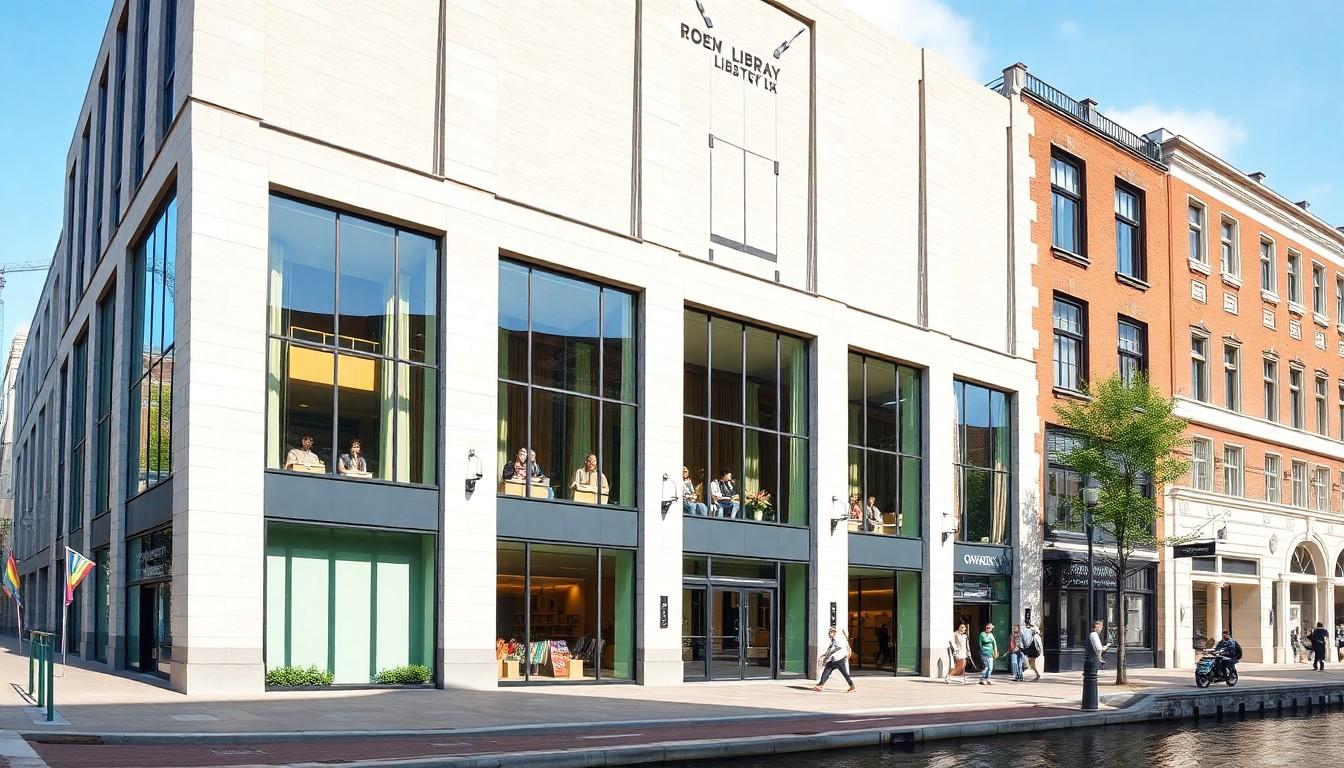
Shoppers and Pride-goers are lining the canals: here’s which World Pride boats to watch, who’s on them and why they matter , from protest-packed student floats to glittering family tributes and a debut Queer Museum boat making a visible case for queer stories.
Essential Takeaways
- Queer Museum debut: A first-time boat aims to dramatise under‑told queer histories with portraits that will “come to life” and attract festival attention.
- Books and censorship: The Boekenboot highlights threats to free speech and queer stories, with writers’ texts partly blacked out , visual and political.
- Protest energy: Student and activist boats return with clear demands , anti-commercialisation, trans care waits and global human-rights calls.
- Mix of tones: Expect carnival disco, solemn Aidsfonds messaging and tender political satire, so the parade swings from party to protest.
- Tradition meets new voices: Longstanding crews like We Are Family and Dolly Bellefleur sit alongside newcomers and institutional entries, creating a layered narrative.
Where to stand for the best views , boats, beats and bold visuals
If you want the full sensory mix , bass, banners and bright costumes , pick a canal bend near the central ring where the parade slows and DJs have room to turn up the tempo. The BLCKHS Amsterdam boat promises a fizzy South American palette and a DJ set blending disco, R&B and club classics; it’s basically a tribute to club nights past, so expect a warm, clubby soundtrack and lots of dancing. For photographers and people-watchers, boats with strong visual concepts , like The Kissing Couple with its Delfts-blue world-leader sculpture , create those instantly sharable moments.
Context: Canal Parades have always been spectacle and storytelling. This year’s additions mean you’ll see louder political statements as well as joyful pageantry. Practical tip: arrive early with a thermos and a small folding chair; viewpoints fill fast, and you’ll want a steady spot when the key boats pass.
The Queer Museum boat , why a floating museum matters
The Queer Museum is sailing for the first time and it’s deliberately theatrical: an “eregalerij” of queer icons, from Hadrian to Freddie Mercury, promises portraits that animate. According to the museum’s previews, the aim is to show why a permanent queer museum in Amsterdam should exist , to make invisible stories visible. It’s both a publicity move and a cultural argument played out on water.
Backstory: museums increasingly use spectacle to press political points. For parade-goers it’s a rare chance to see museum advocacy made immediate. If you’re curious about the future museum, this is the float to inspect closely and to ask volunteers about their plans.
The Boekenboot and the politics of storytelling
The new Boekenboot was organised by the OBA, CPNB and Stichting Lezen to dramatise threats to books and queer narratives. Imagine a giant open book as the float, with authors on board and text partly blacked out or struck through , a striking image of censorship. The presence of writers such as Pim Lammers and Hanna Bervoets gives it intellectual weight and an emotional sting.
Trend note: across Europe, book bans and curriculum fights have become flashpoints. Seeing those tensions made physical on the canal feels sharp , and educational. If you care about libraries or children’s literature, listen to the readings and pick up leaflets; these floats often distribute ways to act.
Protest boats: students, A.S.V. Gay and the return to Pride’s roots
Some boats explicitly reclaim Pride as protest. Student group A.S.V. Gay is bringing a black-and-white protest float calling out commercialisation, trans-care waiting times and global atrocities. Their message is simple and uncompromising: Pride should be protest as well as party. Songs and slogans will sit beside placards made by members.
Why it matters: activism on the water keeps political urgency alive in a festival that can get commodified. If you want to join in, make a DIY placard in the spirit of the students , clear, bold text works best from a distance.
Aidsfonds and the sober reminder amid the glitter
Not all floats are playful. The Aidsfonds boat brings a more sober tone, reminding everyone that HIV and AIDS remain present-day issues and that funding and stigma shape outcomes. The group’s performance emphasises “unity” and cooperation, turning the parade platform into a call for sustained action and empathy.
Practical insight: if you watch this boat, you’ll see how performance can educate without dampening celebration. It’s a good moment to reflect between the glitter and to find ways to support ongoing public-health work.
Familiar favourites and the human stories they carry
Longstanding entries still anchor the parade. We Are Family celebrates 25 years since same-sex marriage opened in the Netherlands with a dreamy wedding motif that shifts into protest under the “Same love, same rights!” slogan. And Dolly Bellefleur, a parade staple, will sing an ode to pioneers and the city’s multicultural make-up , theatrical, sentimental and very Mokum.
Reaction: these boats are comfort food for many viewers; they connect personal histories to public memory. Bring a few tissues or a friend who likes to sing along.
Closing line
It’s a small change in viewing plans that can make every float feel like more than a spectacle , watch closely, listen, and pick the boats that match your mood: joyous, outraged or thoughtful.
Source Reference Map
Story idea inspired by: [1]
Sources by paragraph: