Notice growing unease: queer communities in Germany are more visible than ever but also facing a surge in targeted hostility, and that matters for safety, politics and everyday life. This piece looks at who’s attacking, where it’s coming from, and practical steps communities and allies can take to keep queer spaces safer.
Essential Takeaways
- Rising attacks: Hate-driven incidents around Pride events and queer venues have increased, with threats from far‑right, Islamist and other fundamentalist groups.
- Everyday pressure: Small businesses and cafés that fly Pride flags report persistent abuse, vandalism and dozens of police reports.
- Complex picture: Perpetrators come from varied milieus; trying to simplify motives risks obscuring how different actors fuel homophobia.
- What helps: Visible majority support, police training, targeted prevention and inclusive local politics reduce isolation and risk.
- Think local and practical: Simple measures , better lighting, trained staff, community networks , often make queer spaces noticeably safer.
A safe café or a frontline? The human face of the threat
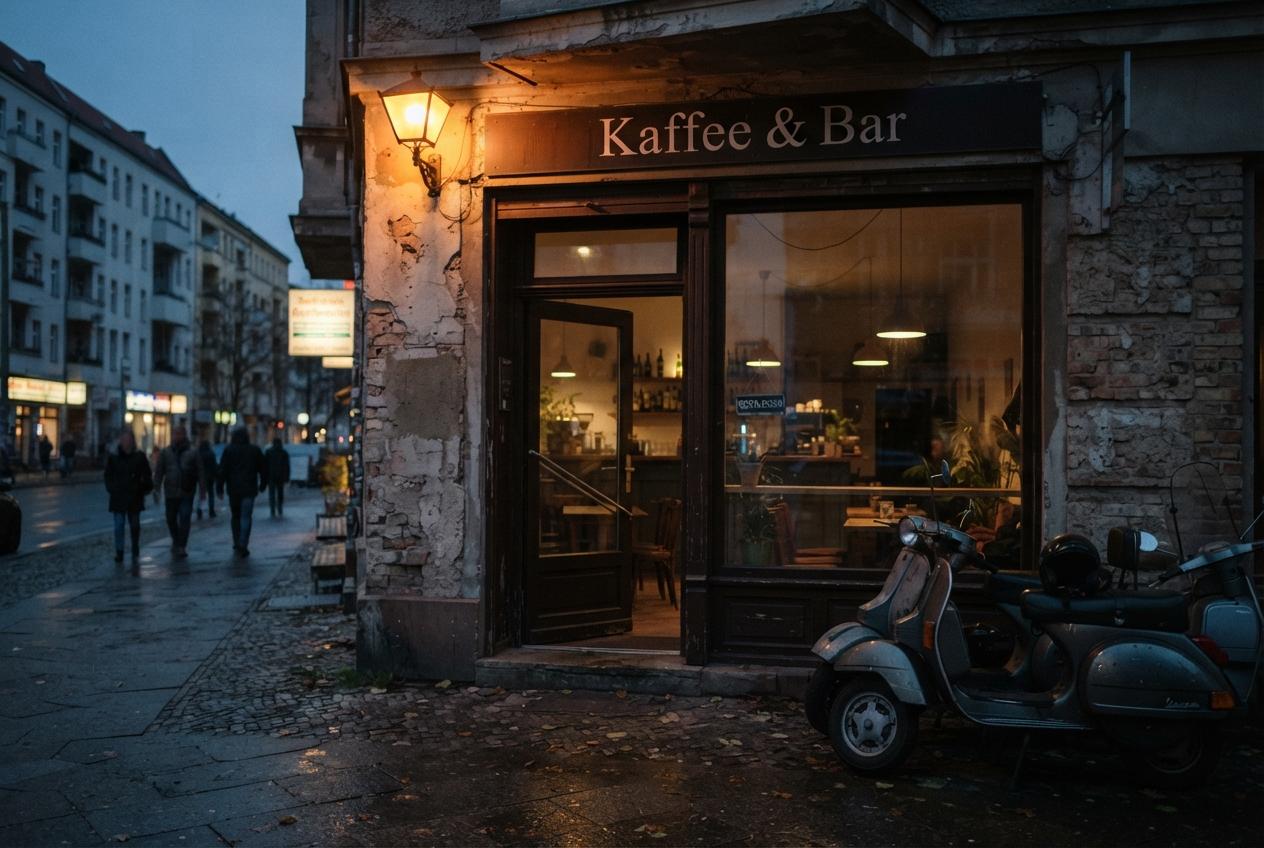
The story begins in Neukölln, where a queer café runs on good coffee, burrata and a Pride flag that hasn’t stopped trouble. Owners say the abuse is daily: slurs, vandalism, threats and more than 80 police reports. That everyday wear-and-tear , the quiet anxiety as much as the headline attack , makes safe venues feel fragile.
According to reporting in regional outlets, assaults around Pride events are no longer isolated; attackers range from organised far‑right groups to people motivated by religious fundamentalism. For owners and staff the emotional cost is as visible as the broken glass: a constant, noisy background stress that drives people to lock doors earlier or reduce opening hours.
Who’s behind the attacks , and why it’s messy to label them
It’s tempting to point to one culprit, but the scene is complicated. Intelligence and media coverage show far‑right extremists, Islamist actors and conservative religious networks all play roles in producing anti‑queer violence. Each group brings different tactics and rhetoric, from organised counter‑protests to street harassment that can escalate.
Public debate becomes fraught when communities try to talk about perpetrators of certain backgrounds. Critics warn that focusing solely on one motive can fuel polarisation and feed right‑wing narratives, while others say ignoring patterns tied to specific ideologies prevents effective prevention work. The practical takeaway: responses must be nuanced and evidence‑based.
Pride under pressure , marches, counter‑protests and security choices
Pride marches have become a flashpoint. Recent coverage shows organisers bracing for far‑right counter‑protests and assessing whether to increase security or change routes. The visual of a blocked parade or tense standoff does more than frighten participants , it sends a signal about who belongs in public space.
Organisers are balancing visibility and safety. Some choose heavy stewarding and police cooperation; others prefer community‑run safety teams to avoid militarising events. Both approaches demand resources, training and clear communication with local authorities to prevent scenes that deter families and young people from attending.
Policy and prevention , what actually reduces risk
Data from inclusion studies and civil‑society groups suggests a few consistent protections: anti‑bias policing, LGBTQ+ education in schools, and local political leadership that speaks out visibly. Countries that combine these tools see lower levels of everyday discrimination, and Germany’s own OECD‑linked reviews highlight inclusion as a policy priority.
Practical measures matter too: better street lighting around queer venues, CCTV where appropriate, fast reporting lines for hate incidents, and training for bar and café staff on de‑escalation. These are straightforward, relatively low‑cost steps that reduce opportunities for crime and help communities feel safer.
The social test: why majority visibility matters as much as law
At its most basic, inclusion needs more than legislation; it needs public backing. The final point from analysts is blunt: rights survive when the majority shows visible solidarity, not just online likes. That can mean politicians attending Pride, neighbours supporting a local queer café, or civic groups amplifying safety messages , gestures that shift the atmosphere from tolerance to active support.
Looking ahead, the task is political and cultural as much as security‑driven. If mainstream civic life normalises standing with queer people, the corrosive energy of anti‑LGBTQ movements has less fertile ground.
It's a small set of changes that can make queer life safer and more flourishing , and they start with ordinary people taking visible, steady sides.
Source Reference Map
Story idea inspired by: [1]
Sources by paragraph: