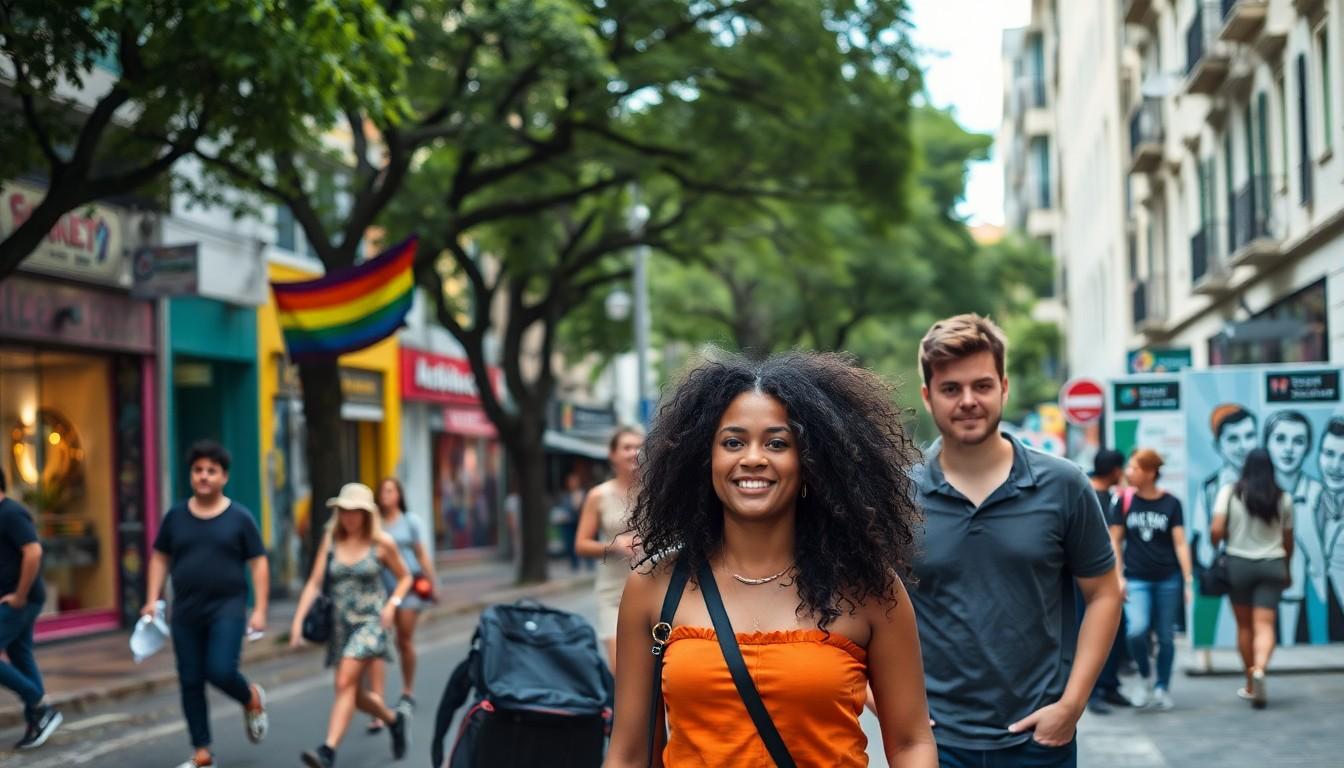
Catch the colour and sound of São Paulo’s queer scene: visitors and locals alike are drawn to the city’s vast Pride, vibrant murals, museums, and welcoming neighbourhoods , here’s how to see the sights, feel the energy, and make the most of Brazil’s big, bold celebration of LGBTQ+ life.
Essential Takeaways
- World‑class Pride: São Paulo hosts one of the largest LGBTQ+ pride parades on the planet, drawing huge crowds and a carnival‑like atmosphere.
- Street art and public culture: Bold murals and public artworks turn many neighbourhoods into open‑air galleries that celebrate queer history and creativity.
- Neighbourhood vibes: Areas such as Avenida Paulista and surrounding districts offer nightlife, cafés, and inclusive spaces that feel lively and safe.
- Practical planning: Expect crowds, plan transport in advance, and pick daytime museum visits for quieter, reflective moments.
- Sensory note: The city hums , music, food aromas, and bright visuals , making both parade day and ordinary strolls feel celebratory.
Why São Paulo Feels Like a City Celebrating Queer Life
São Paulo has a particular kind of exuberance , the streets smell of street food, speakers thump with samba and pop, and the city wears colour like a uniform. According to visitor accounts, that sense of joy is especially visible during Pride season when millions gather to march, dance and demand rights. The scale alone is something to feel: the parade has built a reputation as a global focal point for LGBTQ+ visibility and solidarity.
This year’s events are part festival, part political statement. For visitors, that blend can be uplifting and surprising , you’ll see everyone from families to activists to tourists sharing space. It’s worth planning your day so you can soak up the atmosphere without getting overwhelmed: arrive early, pick meeting points, and carry water and sunscreen.
Where the Art Lives: Murals, Museums and Public Memory
Art is everywhere in São Paulo, and public murals speak loudly about identity and history. Museums in the city also stage queer‑themed exhibitions alongside broader modernist and contemporary collections, offering quieter, reflective spaces between the riotous parades. Walking neighbourhoods such as Vila Madalena reveals colourful streets and small galleries that reward slow exploration.
If you’re after context, check local listings for museum talks and gallery tours , they often line up around Pride. Those quieter visits are a good antidote to the sensory overload of the parade and give you historical perspective on why visibility matters here.
How to Navigate Pride: Practical Tips for a Better Day Out
Crowds are huge, so think ahead about transport and timing. Avenida Paulista is a central spine for many events, and nearby metro stops will be crowded; consider walking between nearby sites if you want to avoid packed trains. Pack light, carry ID, and set a rendezvous point with your group in case phones fail.
Safety is a mix of common sense and local awareness. The parade is generally celebratory and well policed, but petty theft can happen in large crowds. If you want a calmer experience, attend satellite parties or early‑morning cultural events rather than the peak parade hours.
Nightlife, Cafés and the City After Dark
When the sun sets, São Paulo’s queer nightlife comes alive in clubs, bars and intimate venues. Many neighbourhoods host regular drag nights, DJ sets and dancefloors that stay open late. Local café culture is also welcoming , you’ll find inclusive cafés that feel like community hubs during the day.
If you prefer smaller gatherings, look for queer‑led venues and community centres that list events online. These spaces can be a great way to meet locals and hear personal stories that don’t always make the headlines.
What Pride Means Beyond the Parade
Pride in São Paulo is both celebration and claim: it’s a reminder that visibility creates space, while also signalling ongoing struggles for rights and safety. International organisations and cultural exchanges have spotlighted São Paulo as a major cultural partner, and that global attention keeps the conversation about equality in the spotlight.
For travellers, the lasting impression is often warmth , people who want to share their city and its joy. Take time to listen, visit community spaces, and support local businesses during your trip; that’s how your presence contributes beyond being an observer.
It's a small change to plan well, pack light and arrive curious , and it’ll make every colourful moment stick a little longer.
Source Reference Map
Story idea inspired by: [1]
Sources by paragraph: