Discovering intimate lines in medieval Hebrew poetry is reshaping how Jewish communities think about love and identity; scholars and rabbis in Amsterdam are showing that homo-erotic language existed long before modern debates, and that historical nuance matters for today’s queer Jews.
Essential Takeaways
- Surprising sources: Medieval poets like Moses Ibn Ezra wrote frankly intimate verses that can be read as expressing desire between men, with a warm, sensual tone.
- Not simply modern labels: Scholars caution that historical texts don’t map neatly onto contemporary categories like “gay” or “queer,” but they do show emotional and erotic closeness.
- Religious debate alive: Some rabbis argue that historic readings were more varied, and that strict condemnations of male-male intimacy may be a relatively recent emphasis.
- Practical impact: Festivals and synagogue programmes are using these texts to help people reconcile Jewish faith and sexual identity, creating safe ritual and social space.
- Sensory detail: The poetry often feels tactile and immediate , “honey on the lips,” night and day together , which makes it compelling to modern readers.
A medieval poet who speaks plainly about desire
Moses Ibn Ezra’s lines hit you with sensory detail , honeyed lips, nights spent together , and that immediacy is why modern readers do a double take. Ibn Ezra wrote in 11th‑century Granada, where Hebrew poetry drank deeply from Arabic meters and imagery, and his work helped renew Hebrew verse. According to Poetry Foundation and biographical sources, his language can read erotic in ways that surprise those who expect strictly asexual devotional poetry. That surprise is precisely the point when we read these texts today: they sound intimate, familiar and, frankly, human.
Why these poems matter for queer Jewish identity now
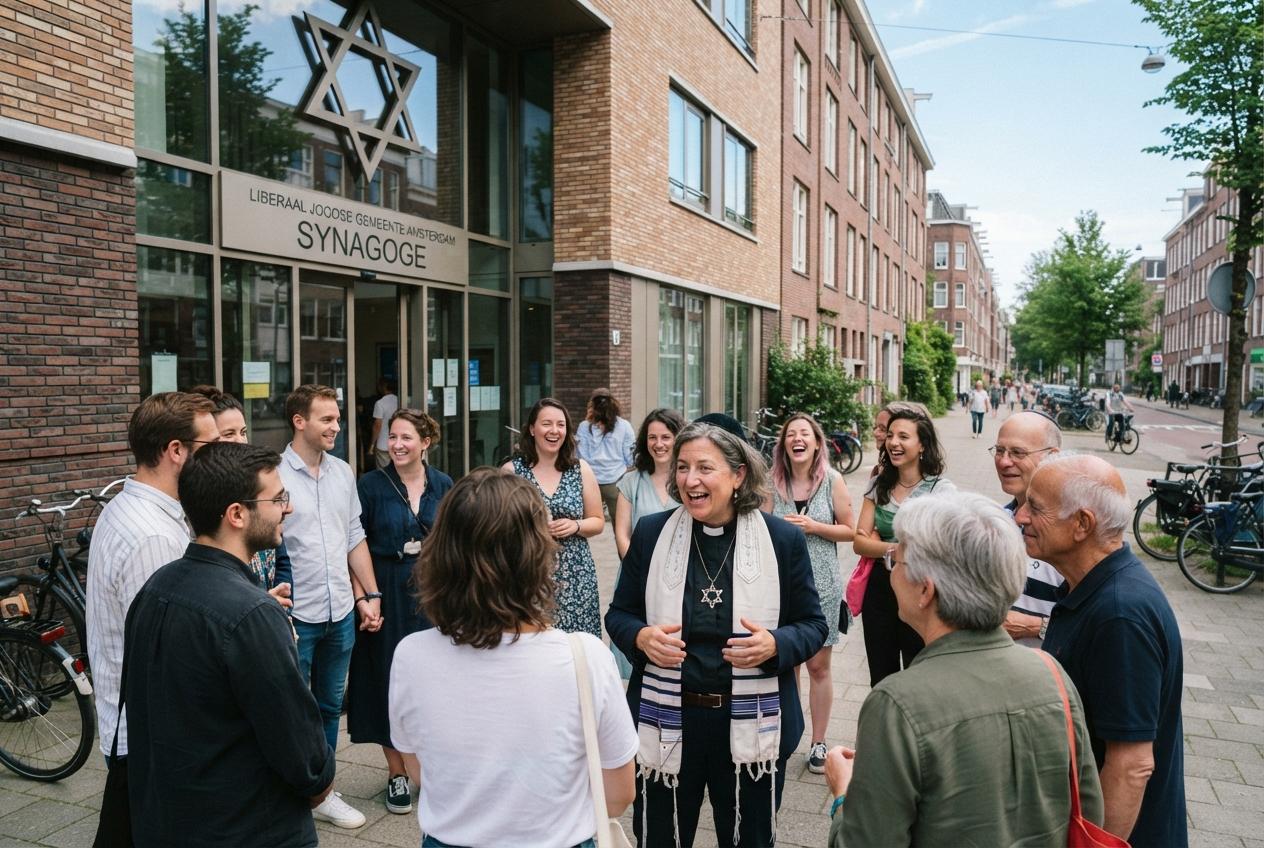
Events like the Queer Jewish Joy Festival in Amsterdam use poems like Ibn Ezra’s to argue that sexual identity and Jewish identity needn’t be opposed. Rabbis involved in the festival say people shouldn’t feel forced to choose between faith and desire, and programmes range from lectures to theatre and music. That practical outreach matters: it gives people ritual and communal frameworks where they can belong without erasing either part of themselves. It’s a cultural shift that blends scholarship with pastoral care.
How scripture and tradition have been read , and re‑read
Leviticus 18:22 is often quoted as a clear prohibition, and it remains central to many traditional rulings. But scholars and progressive rabbis note that interpretation has always been contested. Look at the David and Jonathan passages: poetic laments and kisses between men have been read as deep friendship, spiritual love, or something more erotic. Encyclopaedic and biblical sources show the text’s ambiguity, and rabbinic literature even frames their bond as an unparalleled love. So the question isn’t only what the text says, but how communities choose to interpret and live with it.
Distinguishing erotic language from modern sexual identity
One helpful point raised by contemporary rabbis is a distinction between homo‑erotic expression and a modern notion of homosexual identity. Medieval writers could express longing and erotic imagery without that implying a fixed sexual orientation in the modern sense. Think of monastic friendships or certain ascetic ties: intense intimacy doesn’t always mean sexual practice as we define it today. That nuance gives space for multiple readings , and it’s why scholars urge caution before retrofitting today’s labels onto distant pasts.
What this means for communities and worship
Practical takeaways are simple: if a community wants to be inclusive, it helps to engage with the texts, not ignore them. Lectures, museum programmes and synagogue discussions that bring scholars together with congregants create pathways for reinterpretation and ritual inclusion. For individuals, reading the poems and the biblical episodes alongside scholarly commentary can be liberating , they see that love has always been part of human religious expression in complicated ways. The outlook is hopeful: scholarship and community work together to expand who feels at home in ritual life.
It's a small change that can make belonging feel a lot more genuine.
Source Reference Map
Story idea inspired by: [1]
Sources by paragraph: