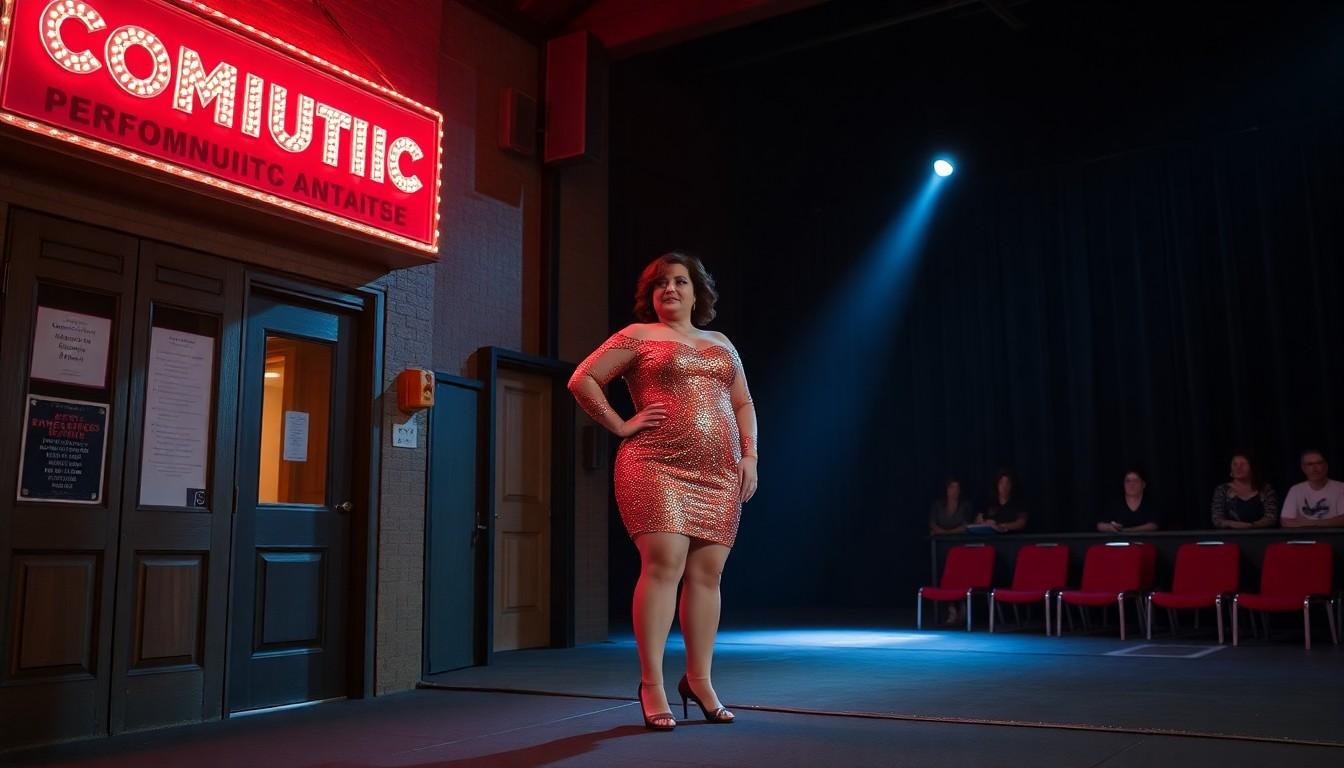
Shoppers are turning to brighter, braver nights: Eugene’s draglesque scene is carving out space for queer, plus-size and BIPOC performers, mixing drag’s theatrical flair with burlesque’s sensuality to challenge norms and build community. Here’s what’s changing, why it matters, and how to enjoy a night that feels safe and electric.
Essential Takeaways
- What it is: Draglesque blends drag’s exaggerated gender play with burlesque striptease and theatricality, creating performances that are glamorous, funny and often sensual.
- Emotional pay-off: Performers describe feeling empowered, connected to their bodies and more visible when they perform, especially queer people of colour and plus-size artists.
- Safety note: Consent is foregrounded at shows, but harassment remains a problem; organisers are increasingly explicit about rules and boundaries.
- Cultural context: Contemporary burlesque and draglesque trace back to feminist and queer movements that reclaimed these forms as acts of liberation and protest.
- Practical tip: If you’re new to a show, arrive early, read the venue’s consent guidelines and remember interaction is optional, applause works just fine.
What is draglesque and why are audiences drawn to it?
Draglesque is the delicious overlap where drag’s theatrical gender expression meets burlesque’s striptease rituals, and the result is both playful and provocative. Audiences get lush costumes, tight choreography, lip-syncing and the theatrical removal of clothing, done in ways that tease rather than simply expose. According to burlesque historians, modern burlesque positions itself as queer and feminist, so the performance often reads as a political act as much as entertainment. For newcomers, expect glamour, tongue-in-cheek humour and moments that linger after the lights go up.
How performing changes people: empowerment, body image and identity
Many performers recount that going onstage changed how they see their bodies. One local first-timer described shaking with nerves, then feeling empowered as they shed garments to a familiar anthem, discovering comfort in their own skin. Others, plus-size artists, trans performers and POC, say the stage is where they can reclaim sexuality and gender on their terms. These moments aren’t just about spectacle; they’re personal catharsis and public declaration, an embodied form of visibility that matters in communities that often police who gets to be seen.
Consent, safety and the audience-performer contract
A key distinction between strip clubs and burlesque-style nights is consent: performers and organisers repeatedly stress that audience interaction is not mandatory. Still, harassment and unwanted touching happen, and that tension can make performers feel vulnerable. Local shows are now explicit about consent before every set, and hosts will call out boundary-crossers. If you attend, follow house rules, keep hands to yourself, and if someone invites a small interaction, err on the side of respect. It keeps nights fun for everyone.
Why diversity onstage changes the room
When stages show bodies that defy mainstream norms, different sizes, races, ages, genders, the effect is noticeable. For audience members who rarely see themselves reflected in media, that representation affirms their sexuality and self-worth. Performers of colour and those who don’t fit conventional beauty standards still face extra hurdles, from booking opportunities to safety concerns, but many say occupying the stage is the point: visibility breeds change. As one organiser put it, stepping up is political; it signals that everyone belongs in these rooms.
How burlesque and drag tie to wider cultural movements
Contemporary draglesque didn’t appear in a vacuum. Historians trace burlesque’s arc from family entertainment to the risqué shows of later decades, and then to a revival steeped in feminism and queer liberation. Scholars and museum exhibitions note how burlesque became a space for challenging gender norms and reclaiming erotic expression. Meanwhile, ballroom and drag traditions have long been sites of resistance and community for marginalised queer people. So when you watch a draglesque act, you’re seeing threads of history, protest and playful defiance woven together.
Tips for first-timers: how to pick a show and be a good audience member
Pick venues with clear consent policies and a reputation for inclusive programming; bi-monthly or community-run nights often prioritise safety and diversity. Arrive early to read any house rules and to support performers by buying a drink or tipping digitally if the venue encourages it. Clap, cheer and follow cues, if a performer asks for distance, respect it. And bring an open mind: these nights are as much about celebration and storytelling as they are about costume and tease.
It's a small change that can make every show feel safer and more joyful for everyone.
Source Reference Map
Story idea inspired by: [1]
Sources by paragraph: