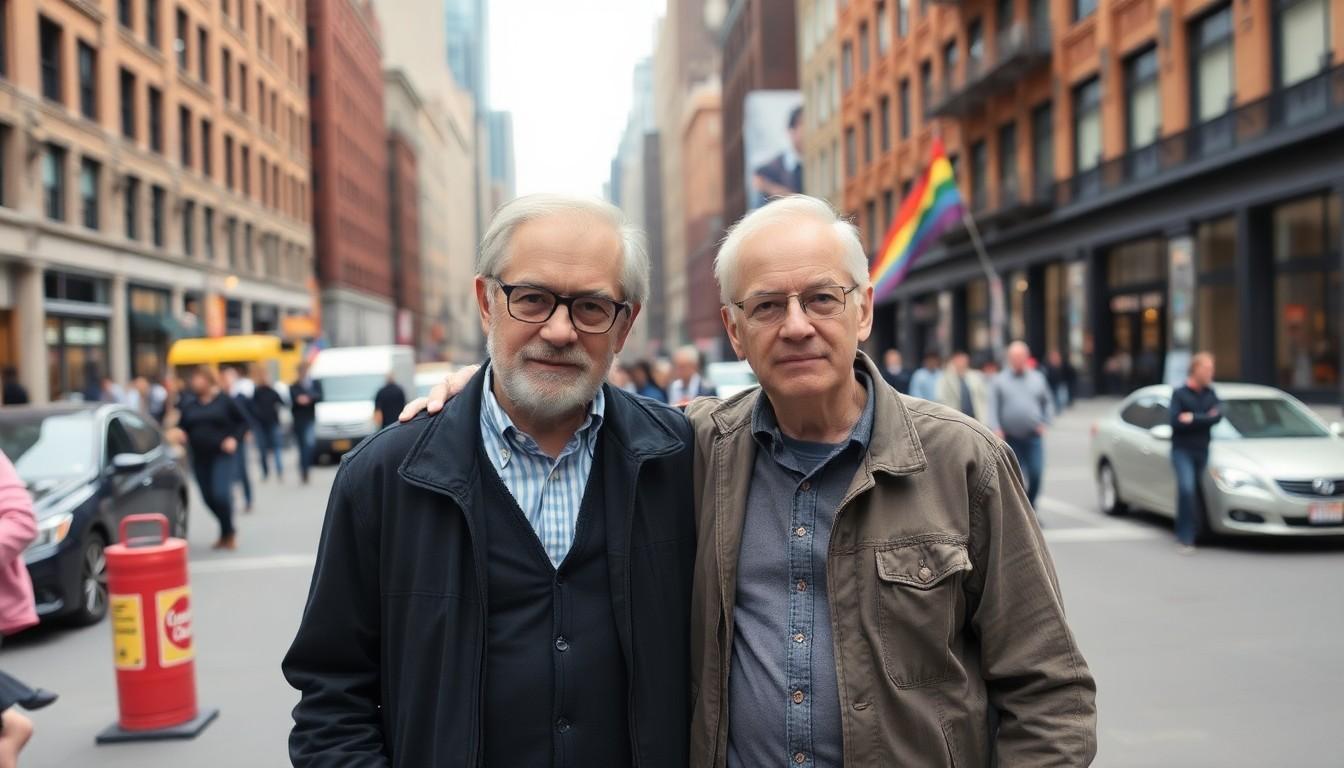
Shoppers of feel-good content are flocking to a viral Meet Cutes NYC reel featuring Allan and Tony, a New York couple together since 1973; the clip’s warm humour, gentle wisdom and ordinary domestic details have made it a rare mainstream moment of queer ageing that matters right now.
Essential takeaways
- Long love: Allan and Tony have been together since 1973 and their 53-year relationship is central to the clip’s appeal.
- Simple charm: The reel mixes dry humour and small domestic gestures , asking “Want a soda?” , which viewers find relatable and tender.
- Viral reach: The post has amassed over a million likes, turning a quiet story into a social-media moment.
- Cultural weight: Viewers framed the couple’s visibility as meaningful amid ongoing debates about LGBTQ+ rights and older queer representation.
A tiny meet-cute that says so much about longevity
The opening shot is deliciously ordinary: two men, a tennis court, a quick exchange and a lifetime of history hinted at in a single line. The clip’s sensory pull is low-key , a soft chuckle, a steady gaze , but emotionally it lands hard. According to the Meet Cutes NYC post, Allan and Tony met decades ago, and that longevity is what makes viewers pause and smile.
There’s a backstory here that’s both personal and political. Older queer relationships are often erased from public view, so seeing everyday affection from a couple together since the early 1970s feels like stumbling into something rare and reassuring. Fans online have treated the reel like a small victory: proof that ordinary, lasting queer love exists and is worth celebrating.
Why the little domestic details make it resonate
It’s not grand gestures that hook people, it’s the micro-moments. Allan’s advice , caring a fraction more for the other person, the offhand “want a soda?” , reads as practical, lived-in wisdom. That practical intimacy is tactile; you can almost hear the clink of ice in a glass and their comfortable banter.
For many viewers, those details tap into nostalgia and longing. Comments on the reel referenced lost loved ones and longed-for futures, showing how a two-minute clip can unlock deep emotional tributaries. If you want to replicate that feeling in your own storytelling, focus on gestures people can picture: a hand on an arm, the rhythm of routine, the way partners finish each other’s sentences.
Visibility for older queer people is a bigger trend
This clip is part of a slow shift in representation: older LGBTQ+ people are finally popping up more often in media and social feeds. According to readers’ reactions, seeing older gay couples prompts strong emotional reactions , joy, tears, anger at past injustices , which tells you how starved audiences have been for these images.
That shift matters beyond sentiment. Older queer people face distinct social and health challenges, and normalising their relationships helps build empathy and policy focus. The reel isn’t activism with a megaphone, but it nudges culture a little further toward recognising queer lives across the lifespan.
Social media mechanics: why this particular reel took off
Simple editing, candid answers and genuine chemistry are a reliable formula for virality, and this clip ticks all the boxes. Meet Cutes NYC has a track record of short, vivid human stories, and platforms reward repeatable, shareable emotions , warmth, surprise, admiration , which this reel delivers.
If you’re trying to create similar content, aim for brevity, a clear emotional hook and recognisable details. Authenticity beats polish; people respond to the sense that they’re overhearing something real. And a bit of humour , Tony’s deadpan “Not good” memory , can make a clip infinitely more quotable.
What viewers are saying and why it matters now
Reactions poured in: people called it the “loveliest thing,” compared it to personal losses, and asked how anyone could oppose that kind of love. Those responses show how image and story can cut through political noise and humanise debates about rights and recognition.
The reel also functions as a gentle corrective to invisibility. Older queer people have stories worth sharing, and short-format social media can introduce those stories to millions. That’s small-scale cultural change, but change nonetheless.
It's a small change that can make every ordinary gesture feel a little more significant.
Source Reference Map
Story idea inspired by: [1]
Sources by paragraph: