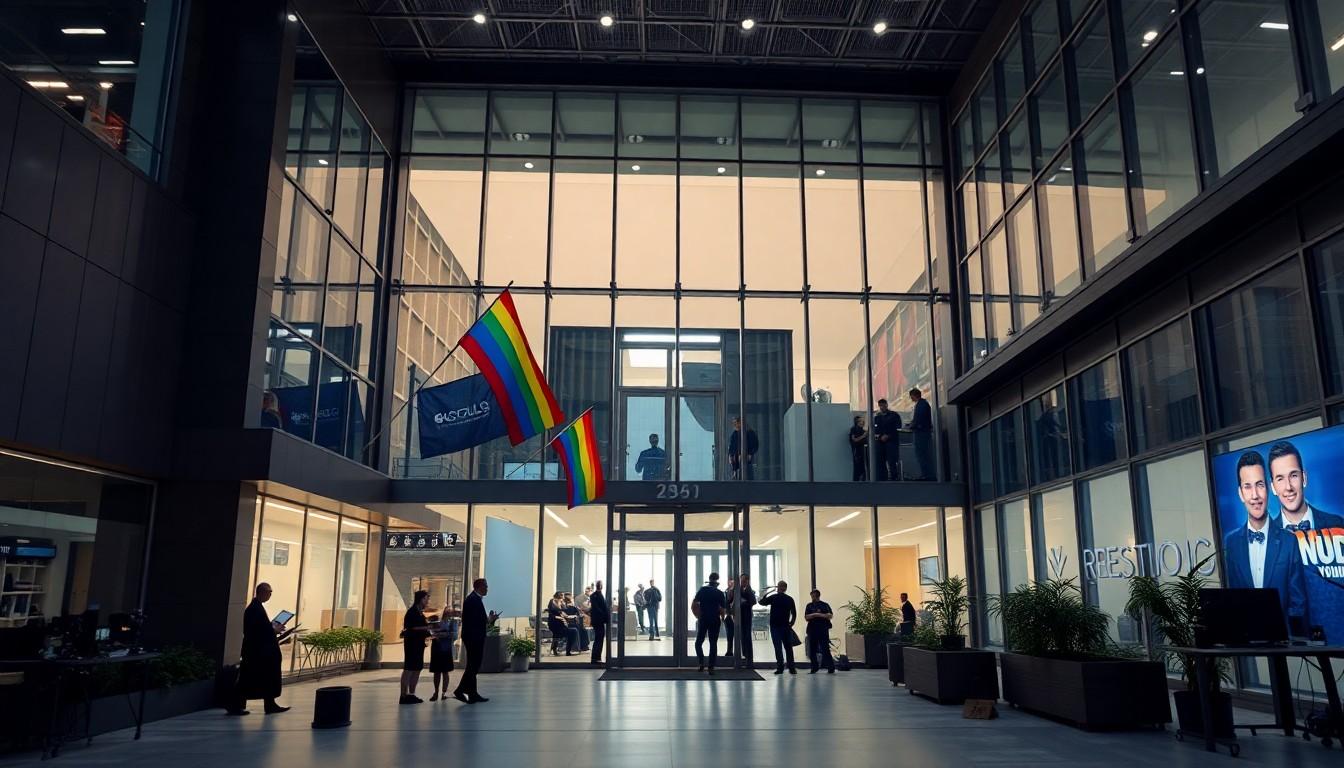
Shoppers and viewers are tuning into a new wave of TV characters who say it out loud , bisexuality is real, complicated and maybe a little bit fabulous; AMC’s The Vampire Lestat and Interview With the Vampire are leading the charge, giving bi+ viewers scenes that finally match their messy, gorgeous lives.
Essential Takeaways
- Bold representation: AMC’s recent Vampire Chronicles shows put Lestat’s attraction to multiple genders front and centre, making bisexuality unmistakable and theatrical.
- Emotional truth: Scenes land because actors like Sam Reid bring texture and a flinty, seductive energy that feels honest and human.
- Cultural context: Bisexual people are the largest group within the US LGBTQ+ umbrella but still come out less often, partly because of erasure and mistrust.
- Practical payoff: Clear on-screen labels help viewers name their feelings; seeing characters ask the same awkward questions you have is quietly liberating.
- Sensory note: The shows’ lush visuals and sultry dialogue make these moments feel cinematic , and oddly comforting.
Why Lestat’s offhand line hit so many viewers
The moment a character casually admits they “like a little variety” might sound small, but it lands like thunder when it’s on a big-budget, mainstream series. According to AMC interviews, Sam Reid leaned into tiny gestures and vocal inflections to make Lestat’s lines feel lived-in and believable, not performative. For people used to queer desire being hushed or coded, that bluntness is a relief: it says identity needn’t be explained away or apologised for. If you’ve ever wanted to say the same thing aloud, this is your reminder that fiction can hand you new vocabulary and a little courage.
How the shows build queer context without lecture
These adaptations don’t just drop labels; they stage arguments, jealousy, tenderness and the practical realities of loving across gender lines. Cinemablend and other outlets map the franchise’s queer history, showing how Anne Rice’s novels offered a map for loving without neat categories long before TV named it. The current series leans into spectacle , rock-star Lestat, flashing lights, and dramatic intimacy , but underneath is a steady human story about reassurance and trust. Tip: if you’re introducing someone to bi+ representation, pick an episode with a conversation scene rather than a montage; the talking is where nuance lives.
Representation still has baggage , why bi visibility doesn’t mean instant acceptance
Even with screen time, bi people face doubletakes from straight and gay communities alike, a reality mirrored in real-world reactions to celebrity dating choices. Cultural critics point out that bi folks come out less often because they’re routinely accused of “fence-sitting” or betrayal when their partners change. Seeing a character navigate those reactions on screen matters because it normalises the emotional labour many bi people do , explaining, reassuring, reasserting legitimacy. Practical insight: when you meet someone who says they’re bi, try curiosity not interrogation; a simple “What does that mean for you?” invites honesty without policing.
What the performances add , Sam Reid and the physicality of desire
Interviews with the show’s creators and coverage of Reid’s casting highlight his attention to detail: micro-expressions, posture and tempo that sell Lestat’s flirtatious magnetism. That kind of acting makes sexual fluidity feel embodied, not theoretical; you don’t just hear about attraction, you feel it in a look or a touch. For viewers who learned queer desire was dangerous or invisible, that tactile quality can be quietly comforting , it validates sensations that were once erased. If you’re watching for the first time, pause and notice small beats: a hand on an arm, a laugh held too long , those are the moments that do the grounding work.
Where this fits in a broader TV landscape
GLAAD data shows queer representation has grown but remains uneven; the rise in bi+ characters across dramas, comedies and genre shows hints at a turning tide. Horror and gothic stories have always been fertile ground for queerness because metaphor lets writers explore otherness with flourish. These Vampire Chronicles series join an expanding list of shows that make bisexuality more visible , and more complicated, in a good way. Looking forward, mainstream acceptance on-screen is only the first step; the real test is whether viewers take that nuance into their daily assumptions and relationships.
It’s a small change with big echoes: when a character says what you’ve felt, out loud and unapologetic, it can unstick whole parts of your life.
Source Reference Map
Story idea inspired by: [1]
Sources by paragraph: