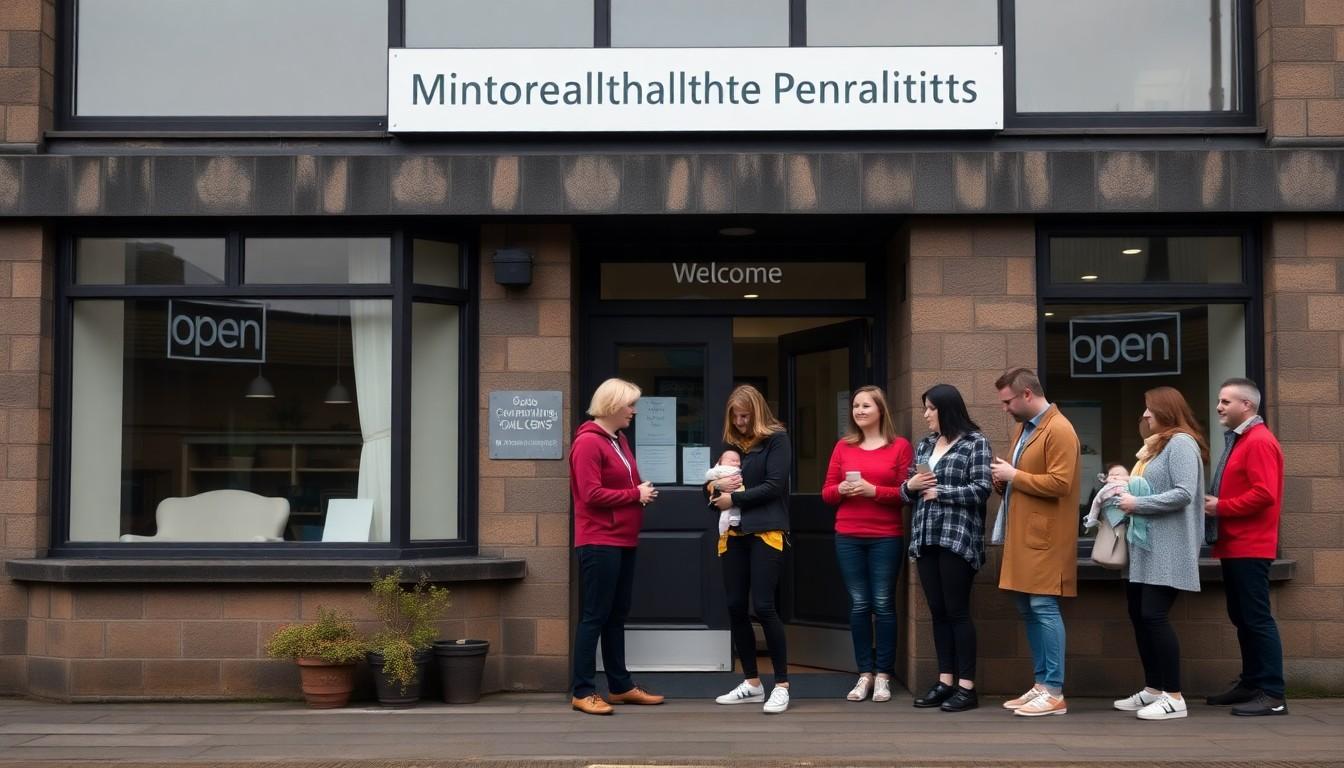
Shoppers and parents are noticing a small but significant change: community groups in Scotland are quietly offering tailored support for LGBTQ+ parents who are breastfeeding, chestfeeding or providing human milk , and the backlash is telling. Here’s what the meetings are, why they matter, and how to think about them.
Essential Takeaways
- What it is: A weekly Edinburgh meet-up called Queer Milk supports LGBTQ+ parents 16+ who are breastfeeding, chestfeeding or providing human milk, with a friendly, non-judgemental vibe.
- Who runs it: LGBT Health and Wellbeing, a UK charity founded in 2003, lists Queer Milk among its community groups and services.
- What opponents say: Right‑wing outlets and campaigners have attacked the group, often misrepresenting terms like “chestfeeding” and conflating trans men and trans women.
- How participants feel: Parents report practical help and emotional support; for some trans and nonbinary carers it can reduce anxiety around feeding in public.
- Practical note: Choosing a group that respects your terminology and privacy makes a real difference for comfort and care.
A quiet weekly meeting that does a lot emotionally
A short, cosy meet-up in Edinburgh might not seem headline‑grabbing, but the sensory detail matters , people sit with babies, warming bottles, swapping tips, and hearing “me too” in a non‑judgemental room. LGBT Health and Wellbeing lists Queer Milk among its community groups, and the purpose is straightforward: support for anyone giving human milk to their baby. The group’s small size and practical focus make it a low‑stakes place to ask questions about latch, supply, or social anxiety.
Why the backlash says more about politics than parenting
According to coverage in GB News, critics framed the meetings as something shocking; they suggested the group exists so “trans women , or biological men” can feed babies, a claim the organisers’ materials don’t make. That mismatch is important. The uproar often hinges on a misunderstanding of language , “chestfeeding,” for instance, is simply a gender‑affirming term used by some trans men and nonbinary parents , and a broader political culture that spots controversy where healthcare or community support is offered.
Real needs behind the headlines
Parents , regardless of gender identity , need practical help with feeding. Many LGBTQ+ parents face hostile questions about who the “real” parent is, or fear being judged for feeding choices. For trans parents, pausing testosterone for pregnancy, navigating medical advice, and worrying about public reaction are real stresses. Support groups offer both clinical tips and emotional reassurance, which can be the difference between stopping early and continuing until parent and baby are thriving.
How to choose supportive breastfeeding or chestfeeding help
Look for groups that explicitly say they welcome LGBTQ+ parents, use inclusive language, and respect privacy. Ask organisers about facilitator qualifications, whether peer support workers are present, and how they handle safeguarding and confidentiality. If you’re nervous about a first visit, bring a friend or phone ahead , a short message asking about access, seating, or parking can make the first meeting feel less daunting.
The wider picture: culture wars meet everyday care
This row is a neat example of a bigger trend: small, routine services becoming flashpoints in culture wars. When everyday support for parents collides with polarised media narratives, nuance gets lost. That said, the demand for inclusive support is clear, and community groups often fill gaps left by mainstream services. Looking ahead, expect more local initiatives to be debated in national outlets, but also to quietly help the families who turn up on a Tuesday morning with a sleepy baby and a question about latching.
It’s a small change that can make every feed feel safer and more supported.
Source Reference Map
Story idea inspired by: [1]
Sources by paragraph: