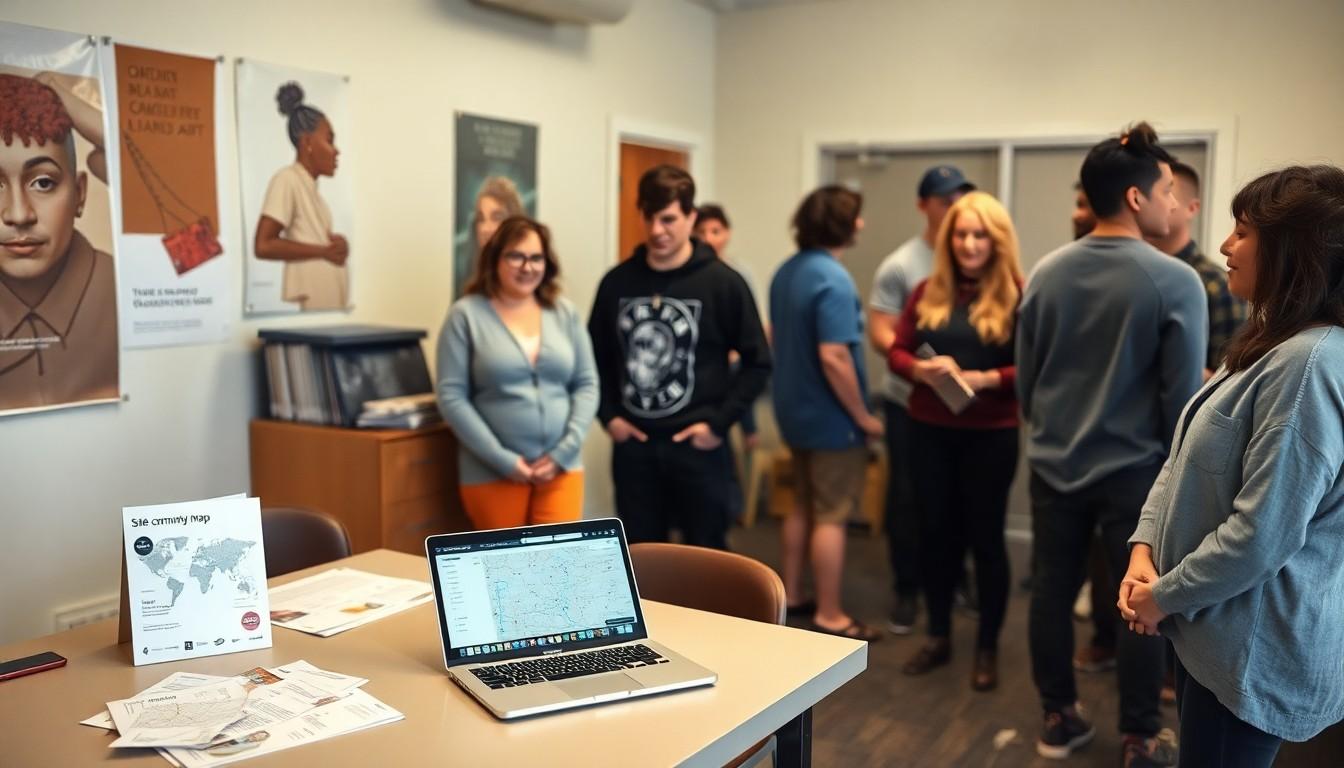
Spotlight the music: Rainbows in Revolt is helping queer musicians, comedians and makers find audiences beyond June, and their tools, from merch to Safe Space maps, are already changing the way LGBTQ+ creatives connect and perform in cities like Washington, D.C.
Essential Takeaways
- Who they are: Rainbows in Revolt is a queer-led collective focused on accelerating openly LGBTQ+ artists into bigger stages and sustainable careers, with merch and promotion at its core.
- What they do: They handle interviews, profiles, social promotion, playlist discovery, radio outreach and affordable merch, so creatives can focus on their craft.
- Community support: The group pledges 20% of profits to LGBTQ+ causes, including Whitman-Walker Health, and runs a filterable Safe Space Map for major cities.
- Artist success: Acts like Lily Erin moved from backyard gigs to the Monument Stage at Capital Pride with Rainbows’ support; promotion feels practical and encouraging.
- Events and outreach: Rainbows plans shows and collaborations that bridge unlikely communities, including hosting artists with complicated histories in faith spaces.
How Rainbows in Revolt plugs queer talent into real stages
Walking the Monument Stage at Capital Pride felt loud, warm and alive, the sort of scene where an artist can finally be seen. According to Rainbows in Revolt’s organisers, there’s no shortage of talent, there’s a visibility gap. Their model is simple: find artists whose queerness is central to their work, then use promotional know-how to get them noticed. The result is performances that feel earned, not accidental.
The founders, Allison and Matt, set up Rainbows to tackle the pieces artists hate or can’t afford. They build artist profiles, help with social clips and put acts into playlists and radio outreach. For musicians who want to write instead of editing reels, that support matters. It’s marketing, yes, but done with a community conscience.
Merch, money and mission: why cheaper merch matters
Merch is the unsung highway to fan loyalty, but it’s often expensive and low-margin for early artists. Rainbows started by making cheaper, higher-quality merchandise and using profits to fund community work. They’ve pledged 20% of earnings to LGBTQ+ causes, with designated donations to Whitman-Walker Health and grassroots groups.
This isn’t just philanthropy for the sake of publicity; it’s tactical. Affordable merch helps artists sell at shows and build a sustainable income stream, while the collective handles fulfilment and design. For emerging acts, that steady support can be the difference between a one-off gig and an ongoing career.
Safe Space Maps: finding community beyond the headline venues
Apps and search engines rarely tell you whether a venue is actually welcoming, and that’s where Rainbows’ Safe Space Map comes in. It’s an up-to-date, tagged, filterable directory for queer-friendly places across major cities, from cafés to churches. That sort of map removes guesswork and helps people find authentic community quickly.
Matt points out that safety comes in strange packages, sometimes faith spaces are the most reliable hubs near campuses. The maps accept real-world nuance, so users see more than a list: they get context, tags and recent verification. For anyone travelling or new to a city, that’s quietly powerful.
Stories that matter: Lily Erin’s steady rise as an example
Lily Erin, a folk-leaning singer-songwriter with an intimate, bittersweet sound, went from bar shows and back yards to performing on the Monument Stage. Her single “Bus Stop” channels a raw, private honesty that connected with listeners, and Rainbows helped amplify that voice. It’s a classic case of talent meeting the right support at the right time.
Artists often talk about a little encouragement changing everything. Rainbows’ approach is hands-on: press support, playlist placement and merch to sustain touring. That combo feels less like rocket science and more like good, stubborn community work, and it shows in stories like Erin’s.
Bridging divides: why Rainbows is booking shows in unexpected places
Rainbows is already moving into live promotion, staging shows that aim to bring unlikely audiences together. One upcoming event will feature Ray Boltz at a D.C. church, a deliberate move to reconcile a once-celebrated faith singer with LGBTQ+ audiences. It’s a provocative choice, but it underlines a wider idea: identity isn’t a barricade.
These shows are also strategic. By placing queer artists into spaces that haven’t always been welcoming, Rainbows opens conversations and challenges assumptions. The collective sees culture-change as cumulative, one gig, one church, one conversation at a time.
What this means for queer creatives and audiences
For artists, Rainbows in Revolt offers practical relief: less admin, more art, and a clearer path to paying gigs. For audiences, it means discovering voices you might otherwise miss, in venues that feel alive and accessible. And for communities, it’s a reminder that building infrastructure, cheap merch, verified safe spaces, local promotion, changes who gets heard.
If you’re an artist, start by polishing a single track and reaching out; if you’re a fan, check the Safe Space Map before you travel and buy merch at shows to keep the wheels turning.
It's a small, practical movement that promises big cultural payoffs.
Source Reference Map
Story idea inspired by: [1]
Sources by paragraph: