Shaken by a recent terror attack in Berlin, organisers and communities are rethinking Pride security , here’s what small events can learn, why it matters locally on Åland, and practical steps to keep celebrations open and safe.
Essential Takeaways
- Local vigilance matters: Police on Åland say they actively monitor global developments and adapt local security plans accordingly, while keeping specific tactics confidential.
- Risk is assessed, not exaggerated: Authorities rely on risk assessments and past patterns to guide responses, balancing safety with the event’s open spirit.
- Vandalism is the common threat: Most anti-Pride incidents on Åland have been property damage and online hostility, not large-scale attacks.
- Practical prep helps: Simple measures , visibility for marshals, clear communications and flag protection , reduce disruption and anxiety.
- Community resilience counts: Open dialogue between organisers, police and local groups keeps Pride inclusive and robust.
Why organisers on Åland are paying attention now
When a terror attack hits a major Pride event abroad, it reverberates everywhere, including quiet islands. Police commissioner Tommy Thörnroos says his force is monitoring international developments and adapting how they view local risk. That doesn’t mean panic; it means a sober, practical approach that considers worst-case possibilities without scaring off attendees.
Organisers like Regnbågsfyren have had to think a bit more about arrangements for August, and that’s sensible. Small communities can feel vulnerable, but measured steps , rather than dramatic security theatre , are usually what’s needed to protect people and preserve the celebratory atmosphere.
What the police are actually doing , and what they won’t say
According to local reporting, the police describe the security situation as “good” while declining to publish operational details about specific events. That’s normal: sharing detailed plans can undermine their effectiveness. Still, the message is clear , officers are using risk assessments and intelligence to inform decisions.
For organisers, the takeaway is simple: collaborate closely with police, but expect some questions to remain private. Treat law enforcement as a partner rather than a PR line item, and plan your communications accordingly.
The real threats on Åland: vandalism and online hostility
Historically, the most visible acts of hostility around Pride on Åland have been vandalism , snatched, torn or defaced flags and signs , and heated social media posts. Commissioner Thörnroos points out that these behaviours have always accompanied Pride in various measures, more symbolic than physically violent in recent local memory.
That doesn’t downplay genuine concerns, but it helps put risk into perspective. If your main exposure is property damage or online abuse, your mitigation tactics will look very different from those used to prevent a vehicle or knife attack.
Practical steps organisers can take today
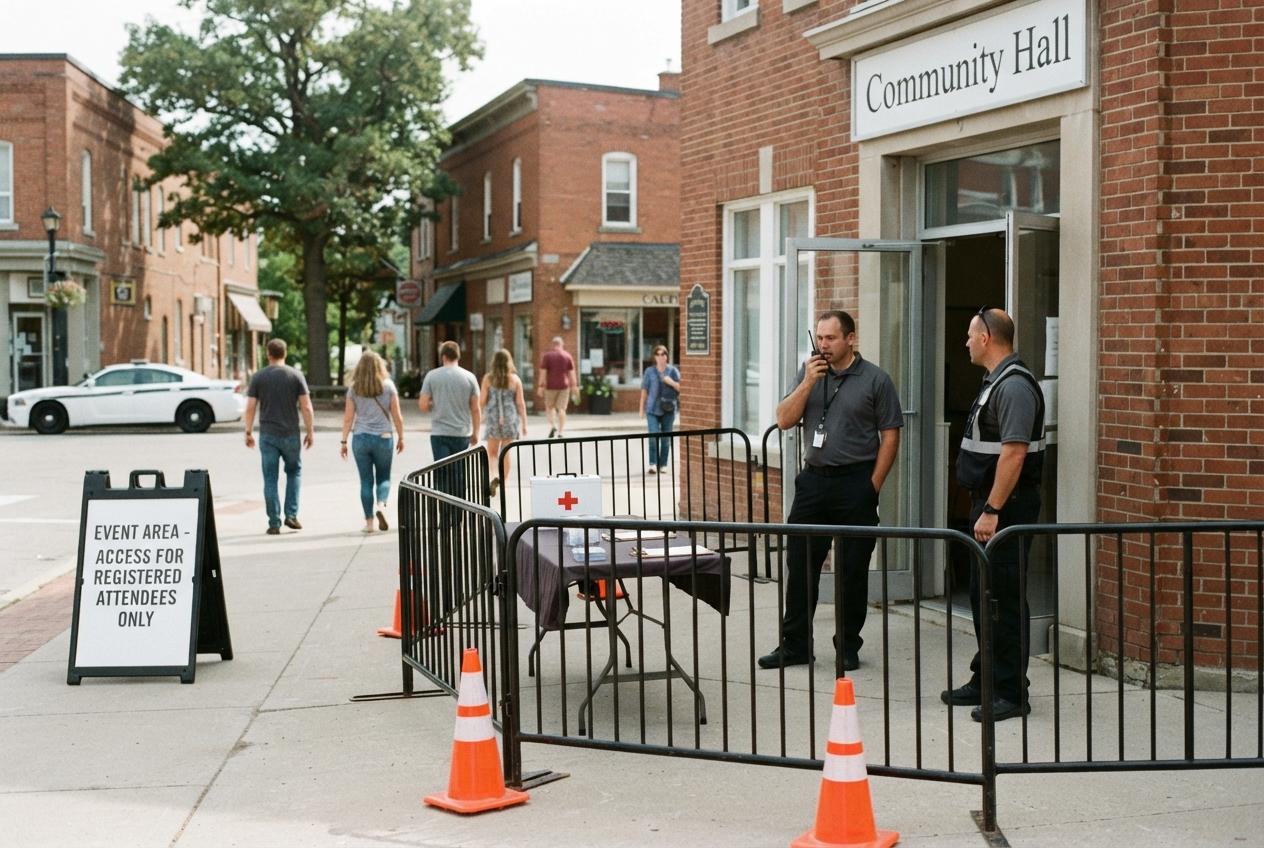
Small tips make a big difference: increase the number of visible marshals in bright vests so people feel safe; protect flags and displays by mounting them higher or using secure fixings; set up a clear communications chain with police and first aid; and have a simple evacuation and reunification plan for families.
Also think about digital safety: moderate social channels, prepare a statement in case of incidents, and offer support contacts for anyone distressed by online abuse. Copenhagen Pride’s safety advice is a useful reference for basic crowd management and inclusivity practises.
How communities can respond without ceding the party
Balancing security and celebration is a human choice. Pride is about presence and visibility, and over-securitising can paradoxically play into the hands of those who want to intimidate. Keep events friendly and well signposted, but don’t ignore common-sense precautions. Encourage attendees to look out for one another and report suspicious behaviour calmly.
And importantly, normal everyday solidarity matters. If your community shows up in numbers, with clear rules and smiling volunteers, you make it harder for hostility to succeed , and you keep Pride what it’s meant to be: a joyful, defiant act of togetherness.
It's a small change that can make every Pride safer and keep the celebration feeling like a neighbourhood success.
Source Reference Map
Story idea inspired by: [1]
Sources by paragraph: