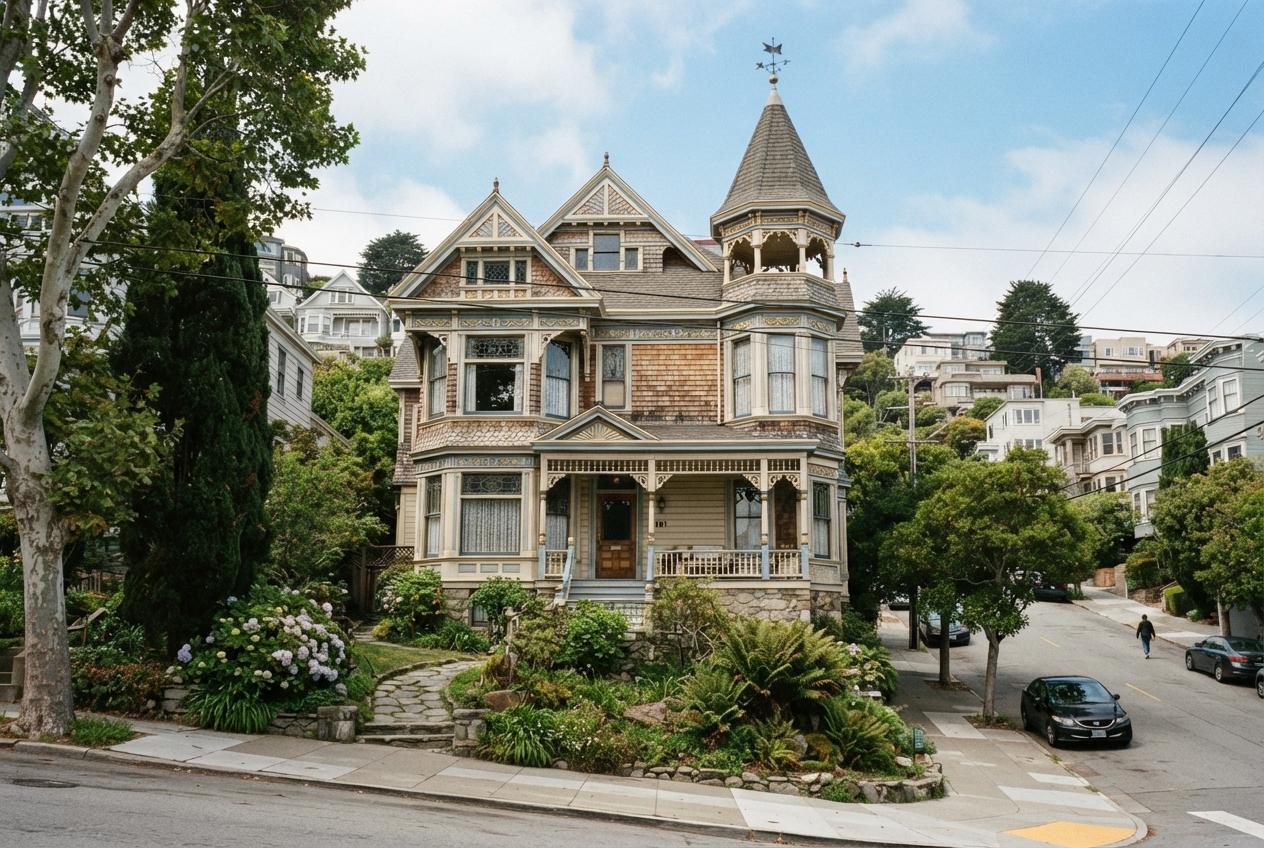
Shoppers of history and neighbourhood character are cheering as San Francisco supervisors have given preliminary approval to landmark the 1899 Queen Anne Victorian once home to gay U.S. Ambassador James C. Hormel , a move that locks one more piece of LGBTQ heritage into the cityscape and matters for preservation, memory, and local planning.
Essential Takeaways
- Historic vote: Supervisors gave a unanimous preliminary 10-0 vote to landmark 181 Buena Vista Avenue East; final approval returns after the August recess.
- Notable resident: The house was James C. Hormel’s home for 26 years; he was the first openly gay U.S. ambassador and a major LGBTQ philanthropist.
- Architectural sense: Built in 1899 by Nathanial Blaisdell, the four-storey Queen Anne survived the 1906 earthquake and keeps a stately, period feel.
- Protection benefits: Landmarking helps preserve the façade and forces closer scrutiny of future development proposals on the site.
- Growing recognition: If finalised, the Hormel mansion will be among nearly 18 city sites recognised for LGBTQ history, with more nominations pending.
Landmarking wins in a city racing to save character
San Francisco’s Board of Supervisors voted unanimously to advance the landmarking of 181 Buena Vista Avenue East, signalling the city’s appetite to protect architecture tied to queer history. The house sits on a leafy corner across from Buena Vista Park and carries that lived-in, dignified Victorian look that makes you want to step inside and listen to stories. According to local reporting, the ordinance needs a second vote after the summer recess, then the mayor signs off to make it official.
The push reflects a broader effort by supervisors to nominate buildings they think deserve protection from demolition and insensitive infill. Preservation now acts as a counterweight to the city’s upzoning and housing push. Practically, landmark status means facades are protected and developers face tougher planning scrutiny, which matters if you care about streets that still look like San Francisco.
Why James C. Hormel’s home matters beyond bricks and paint
Hormel wasn’t just a resident; he was a national figure whose philanthropy helped fund organisations like the Human Rights Campaign and the James C. Hormel LGBTQIA Center at the public library. His 1999 recess appointment as ambassador to Luxembourg made headlines and remains a milestone in queer political history. That personal legacy is a big part of why preservationists and neighbours support landmarking.
The mansion’s story goes back further , originally built for George de Urioste, Argentina’s consul, and sold to Hormel decades later. That layered history strengthens the case: this isn’t a single-figure shrine, it’s a building that embodies multiple chapters of the city’s civic and queer narratives.
The practicalities: what landmark status actually does
When a property is listed as a local landmark, it gains protections that change how future work is handled. Facades typically must be preserved, and any redevelopment proposals go through heightened review by planning bodies. For owners, that can mean extra paperwork and limits on change; for neighbours and historians, it’s reassurance that visual and historical character will survive.
If you’re a property owner thinking about a landmarked building, expect design oversight and a slower approvals process. But if you value continuity and cultural memory, the trade-off can be worth it , the Hormel mansion, for example, preserved a distinctive Queen Anne silhouette and the stories etched into its walls.
A citywide push for queer heritage sites , not just one mansion
This landmark move fits into a flurry of nominations tied to LGBTQ history across multiple districts. Earlier this year supervisors recognised several sites , from the founding home of Sha’ar Zahav synagogue to the initial San Francisco AIDS Foundation space and former lesbian-owned businesses , and more nominations from District 3 are winding through the pipeline. The cumulative effect is a map of memory that’s visibly queer.
Advocates say this makes the city’s public history more inclusive, while critics worry about constraints on housing supply. Either way, landmarking changes the conversation: preservation and queer visibility are now part of the planning calculus.
What happens next , process and what to watch for
The ordinance needs a second supervisory vote after the August recess, then the mayor must sign off to finalise the designation. Meanwhile, other nominations, including North Beach and Nob Hill sites tied to queer cultural life, are moving through the Historic Preservation Commission and could be decided later this year. If approved, the Hormel mansion will be one more reason to stroll by Buena Vista Park and imagine the conversations that once filled its rooms.
For neighbours and visitors, the takeaway is simple: look up at the cornices, notice the sash windows, and appreciate how a single house can hold civic and queer histories in its bones.
It's a small change that helps keep the city's stories visible , and the next time you pass a stately Victorian, you might wonder whose life it remembers.
Source Reference Map
Story idea inspired by: [1]
Sources by paragraph: