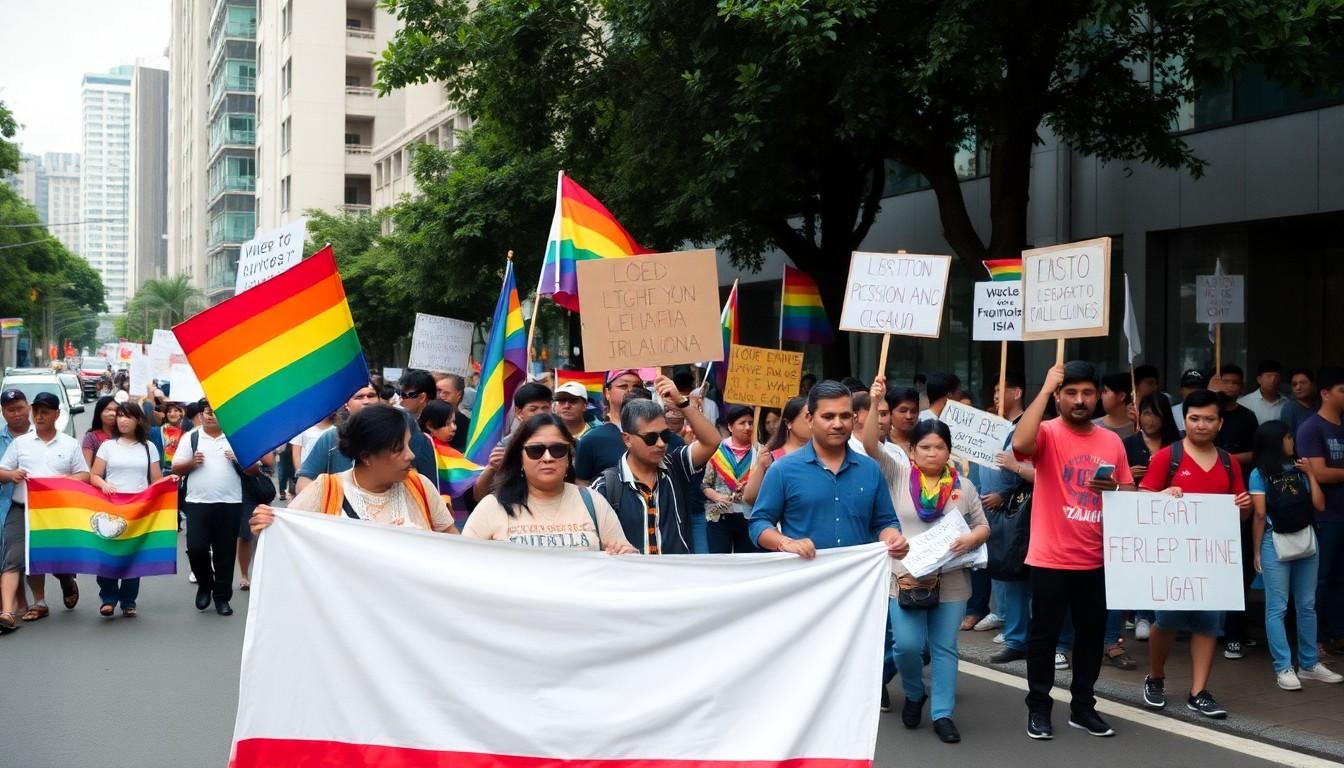
Watchers are following a fresh wave of local politics in West Java, where protesters, officials and religious groups are pushing for new anti-LGBT rules; this story explains who’s calling for what, how the provincial government is responding, and why it matters for residents, civil servants and rights observers.
Essential Takeaways
- Protests and pressure: Local demonstrators have demanded a regional bylaw banning LGBT activity, pushing the issue onto the provincial agenda.
- Government posture: West Java provincial officials say they will enforce existing regulations and are discussing stronger measures; the bureaucracy signals readiness to act against employees identified as LGBT.
- Legislative moves: The regional council (DPRD) is preparing a draft bylaw described as “anti-LGBT”, with religious bodies invited to offer views.
- Practical impact: Proposals could affect public-sector workers, public messaging and community programmes; enforcement details remain unclear.
- Tone and reaction: Human-rights groups warn about discrimination risks, while local leaders frame the debate as maintaining social norms.
What’s happening in West Java , protests push the issue into the open
Local rallies have brought the LGBT question centre stage, with demonstrators asking the provincial government to issue a bylaw banning LGBT behaviours; the scene is tense and visual, with crowds and placards visible. Authorities say they’re paying attention and promise to enforce laws already on the books, while also considering further steps, which has heightened anxiety among minority communities and civil-liberty advocates. For residents this matters because local bylaws shape services, employment and day-to-day policing in the province.
Provincial government response , enforcement first, new rules next?
Provincial officials, led by senior administrators, have publicly said they will uphold existing rules and take firm action where they see violations. According to local reporting, officials have signalled they may pursue stronger legal instruments , including a regional regulation , to address what they describe as “the spread” of LGBT influences. If you’re a public-sector worker, this is worth noting: the government has indicated that alleged LGBT status among civil servants could lead to disciplinary steps, which raises questions about due process and privacy protections.
DPRD and the draft bylaw , how the legislature is getting involved
The regional council has begun processing a draft regional regulation that opponents call “anti-LGBT”, and its timetable includes consultations with religious organisations for input. Religious councils have said they’ll supply religious perspectives during the drafting process, framing the measure as moral guidance rather than mere punishment. For anyone following local lawmaking, the key detail is that the draft’s exact language will determine whether it criminalises behaviour, restricts speech or targets public employees , so the text, not the headlines, will decide real-world effects.
Impact on civil servants and public programmes , practical consequences
Officials have explicitly mentioned potential dismissal for civil servants identified as LGBT, and local media report that disciplinary policies could be tightened. That could mean job insecurity for public employees, reduced willingness to seek medical or social services, and a chilling effect on NGOs and educators. If you work in the public sector or manage community projects, review your workplace protections, know your rights, and consider confidential legal advice if policies change.
Rights, reactions and the wider context , what critics and supporters say
Human-rights advocates warn the proposals risk discrimination, social exclusion and violation of privacy, while supporters argue the measures maintain “public morality” and social cohesion. This debate reflects a broader trend in parts of the region where local governments, influenced by religious groups and vocal constituencies, seek to codify conservative social norms. Expect further legal scrutiny and possible challenges from civil society if a bylaw is adopted.
How to follow developments and what to watch for next
Keep an eye on the actual draft text from the DPRD, official decrees from the governor’s office, and any implementing regulations that specify penalties or procedures. Watch for legal interpretations about employment law, human-rights implications, and whether national authorities weigh in. For residents, practical steps include documenting any interactions with officials, seeking legal advice when needed, and connecting with community organisations that monitor rights and services.
It's a local debate with national echoes , stay informed, and consider the practical steps that protect people as the proposals move forward.
Source Reference Map
Story idea inspired by: [1]
Sources by paragraph: