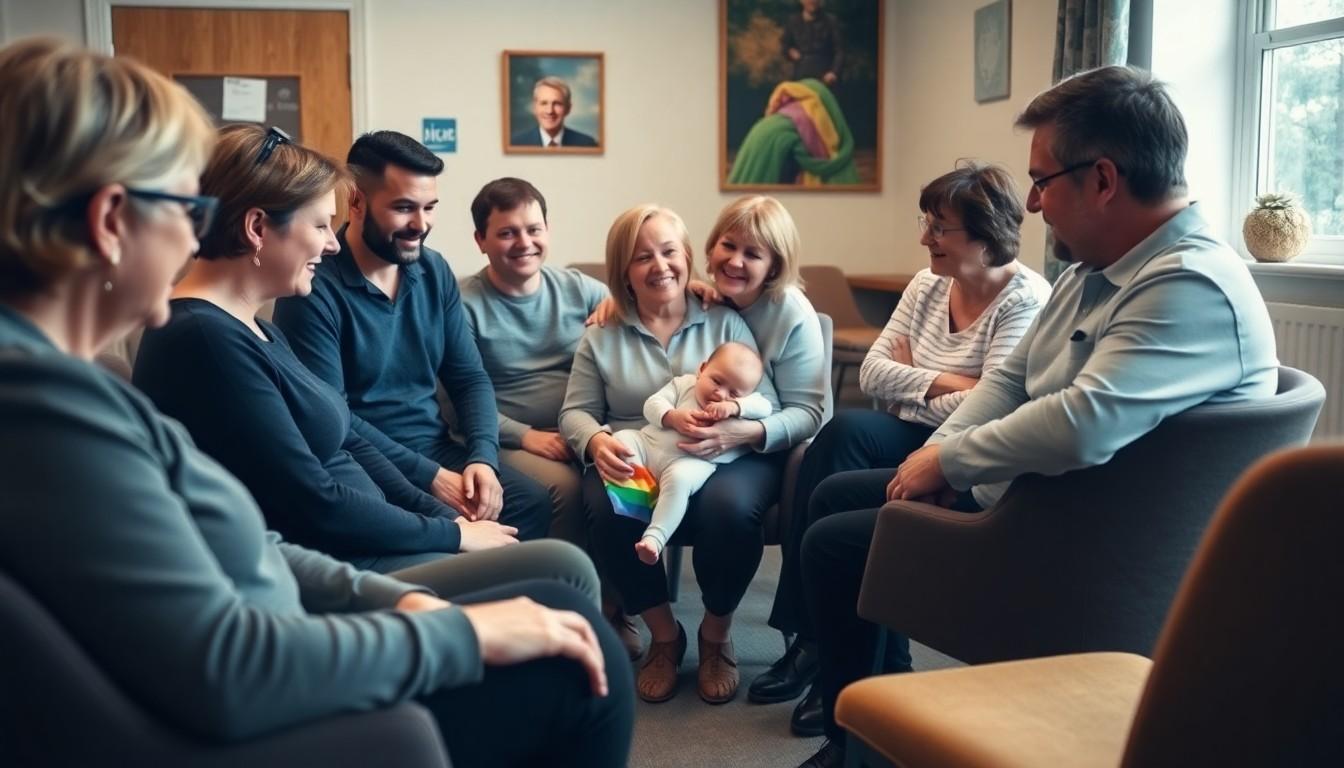
Shoppers of news are watching a small Edinburgh support group that’s become a larger debate: a taxpayer-funded charity running “Queer Milk” sessions for people chestfeeding or giving human milk , who they are, how it works, and why funders, campaigners and parents are talking about it.
Essential takeaways
- Who runs it: LGBT Health and Wellbeing operates the Queer Milk group in Edinburgh as part of its community services.
- What happens: Sessions welcome people chestfeeding, breastfeeding or giving expressed human milk, including trans women and others using hormones or induced lactation.
- Funding note: The charity receives public money through Scottish government, NHS and local council contracts and grants.
- Evidence status: Advocates point to supportive studies and lived experience; critics say research is limited and practices can be experimental.
- Practical cue: If you’re a parent or carer considering induced lactation, check healthcare guidance, medicines, and local lactation support alongside peer groups.
What exactly is Queer Milk and who attends
The clearest fact is simple: Queer Milk is a community group run by LGBT Health and Wellbeing for people giving human milk to infants, whether directly at the chest or via expressed milk. The sessions are described as welcoming anyone on a feeding journey, including trans women and non-binary people who may be inducing lactation.
Organisers position it as peer support , a gentle, practical space where people share tips, equipment and reassurance. And it’s sensory as well as social: attendees often talk about the soft, quiet routines of feeding and the awkward, hopeful early weeks of inducing supply.
If you’re curious or sceptical, remember many attendees join for emotional support and practical pointers rather than medical trials; health professionals recommend combining peer input with clinical advice on hormones, domperidone use and infant feeding safety.
Why public funding has become part of the story
The contention is about money as much as milk. LGBT Health and Wellbeing receives funding through Scottish public bodies and NHS partnerships, so when Queer Milk is promoted, critics ask whether taxpayer cash should back it.
Supporters say public funding of inclusive sexual health and parenting services is routine and aims to reduce isolation and improve outcomes. Opponents argue that limited evidence about some induced lactation methods makes government support controversial.
For readers, the takeaway is practical: public funding means the group is part of mainstream community health provision, so standards around safeguarding, governance and links to clinical care are worth checking if you plan to attend.
How safe and evidence-based is induced lactation?
This is where nuance matters. There’s a patchwork of studies and clinical reports suggesting trans women and adoptive parents can produce some milk with hormone regimens, nipple stimulation and sometimes drugs; proponents emphasise benefits like bonding and immune factors in human milk.
But reviewers also point out that evidence is limited, sample sizes are small and long-term outcomes are not fully mapped. Critics call parts of the practice experimental, urging caution and clearer clinical guidance.
If you’re considering it, practical advice is to consult a GP or a lactation consultant first, discuss medications and dosages, monitor infant weight and hydration, and treat any expressed milk with standard safety measures.
What supporters and critics are saying
Supporters frame Queer Milk as compassionate, pragmatic support for people who’d otherwise be isolated when navigating complex medical and emotional terrain. They point to lived experience and community-based wellbeing work as legitimate public health activity.
Critics, including gender-critical campaigners, have used colourful language to express moral unease and to press for funding scrutiny. That has turned a local support group into a broader political debate about transgender healthcare, public money and parental norms.
For readers, it’s useful to separate rhetoric from practice: the group runs weekly meet-ups, shares practical tips and signposts clinical help , it’s not a research lab, it’s a peer community with public backing.
How to approach this as a parent, professional or voter
If you’re a parent or prospective carer interested in chestfeeding or induced lactation, treat Queer Milk as one piece of support: meet peers, learn practical hacks for pumps and positioning, but also get clinical oversight. If you’re a health professional, consider where peer groups fit into care pathways and what referral options you can offer.
Voters and taxpayers who are uneasy can ask local health boards about funding priorities, transparency and safeguards. Meanwhile, advocates suggest better research and clearer NHS guidance would calm the debate and help families make informed choices.
It’s a small change that can make every feed safer and more supported.
Source Reference Map
Story idea inspired by: [1]
Sources by paragraph: