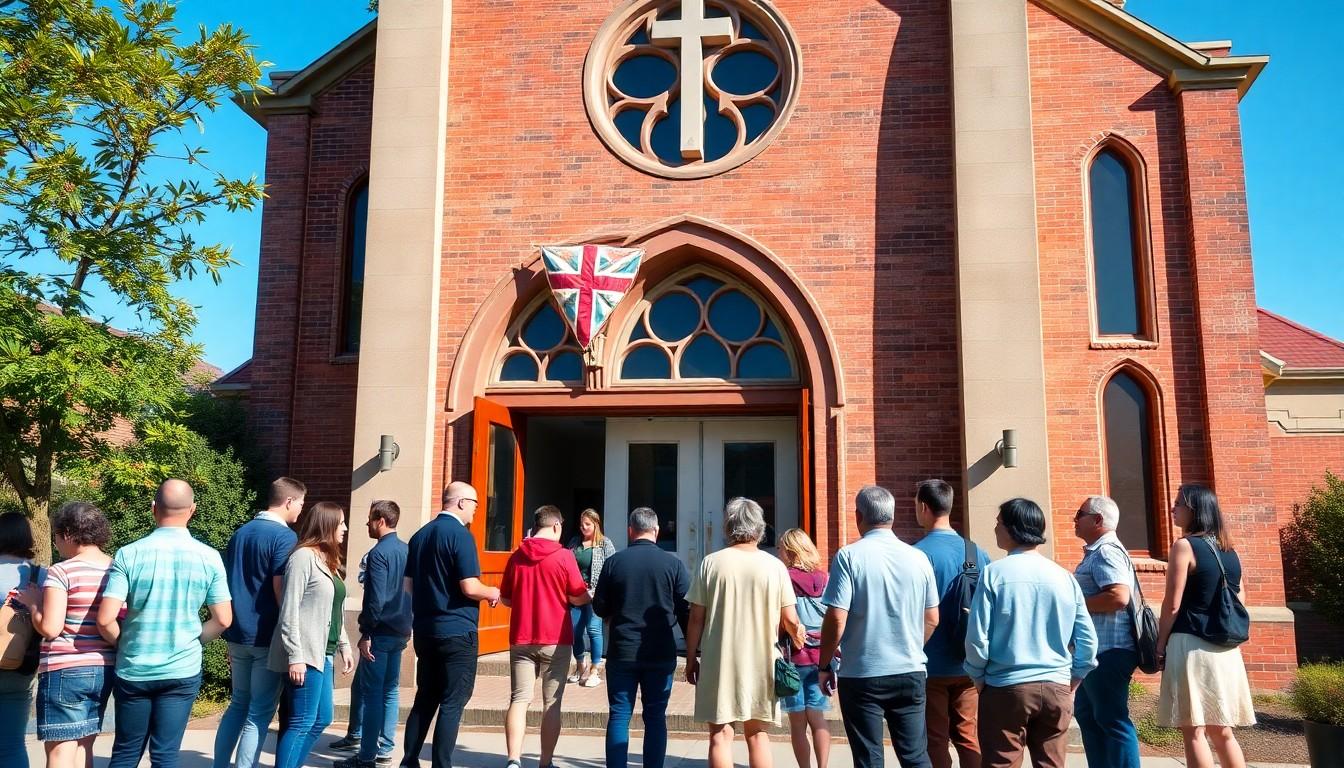
Shoppers of conscience are noticing a shift: American Catholics, parish by parish, are increasingly visible in pro-LGBTQ+ spaces, and that matters for families, students and clergy who want both faith and welcome. Here’s why the Roman Catholic Church landed mid‑pack on The Advocate’s recent ranking, what it gets right, and where parish life still needs to catch up.
Essential Takeaways
- Middle ranking: The Advocate placed U.S. Catholicism around the middle of its list, signalling real progress but clear limits.
- Papal tone helps: Pope Francis’ pastoral language is widely credited with softening perceptions and opening conversations.
- Uneven experience: Your welcome depends heavily on parish, diocese and priest , some communities are warm and affirming, others still use exclusionary language.
- Campus progress: Many Catholic colleges now offer LGBTQ+ resources, clubs and policies, making campuses noticeably friendlier.
- Practical next steps: Look for parishes listed by LGBTQ+ ministries and local groups, ask about pastoral care, and connect with regional Catholic LGBTQ+ networks.
Why Catholics landed mid‑list , and why that’s not the whole story
The Advocate’s list put Catholicism roughly in the centre, which surprised some and pleased others. The headline fact is plain: the church has made visible moves toward pastoral inclusivity, and Pope Francis’ tone has played a big role in changing public perceptions. But rankings compress nuance. According to LGBTQ+ ministries and reporting on denominational policy, the church’s official teachings still include terms and concepts that many queer Catholics find alienating, and that unevenness explains the middle position.
Context matters: a national magazine sees the church through headlines, synod reports and public statements, while many faithful point to quieter, everyday pastoral shifts at parish level. For people choosing a local community, the takeaway is practical , investigate parish culture, rather than rely on denomination‑wide summaries.
What’s changing on the ground , parishes, campus life and ministries
Many parish communities are quietly transforming themselves into safer spaces. Local directories and groups that compile LGBTQ+‑friendly parishes show steady growth, and Catholic student groups at universities have grown more confident and visible. DignityUSA and similar organisations have long provided support, and newer initiatives give students, faculty and staff concrete resources and advocacy.
If you’re scouting a church or campus, ask about inclusive ministries, whether sacramental pastoral care is offered to LGBTQ+ people, and what support exists for families and staff. Often, a short conversation with a parish priest or campus chaplain reveals more than a headline.
Where the institutional gap remains , language, policy and accountability
Despite pastoral shifts, institutional language and official policy still hold sway. Phrases rooted in traditional moral theology continue to appear in official statements and in some clergy commentary, leaving room for disciplinary actions and exclusions in employment or sacramental access. These realities show up in reports of fired staff or denied rites, and they influence how external observers rank the denomination.
Progress advocates argue that changing tone must be matched by structural reforms: clearer diocesan policies that protect employees, transparent grievance procedures, and educational programmes for clergy. Those reforms would make pastoral warmth more reliable across regions.
Why some Catholics argue the church deserves higher marks
Many lay Catholics, pastoral workers and theologians point to the synodal listening processes and local organising as evidence of genuine momentum. Surveys have long indicated broad lay support for equality, and the growth of LGBTQ+ courses, scholarship and openly queer theologians at Catholic institutions adds intellectual weight to pastoral efforts. For those inside the movement, the argument is simple: when lived practice and institutional structures converge, the church’s public standing will follow.
Still, institutional change is slow. Supporters say a more useful metric might be “most improved” rather than a straight ranking, because that would capture the trajectory as well as the current state.
How to find a welcoming parish , practical tips
Start locally: search LGBTQ+ parish directories and consult national groups for verified lists. Visit before committing: attend Mass, meet lay ministers, and listen for inclusive language in intercessions and homilies. Ask specific questions about pastoral care, sacramental access and employment protections if those issues matter to you. For families and students, check whether a parish runs youth groups or campus ministries that explicitly welcome LGBTQ+ people.
Remember, community warmth is often created by volunteers and lay ministers as much as by clergy. If you find a welcoming group, consider joining or supporting it , that’s how change spreads.
It's a small change that can make every Mass and ministry feel more like home.
Source Reference Map
Story idea inspired by: [1]
Sources by paragraph: