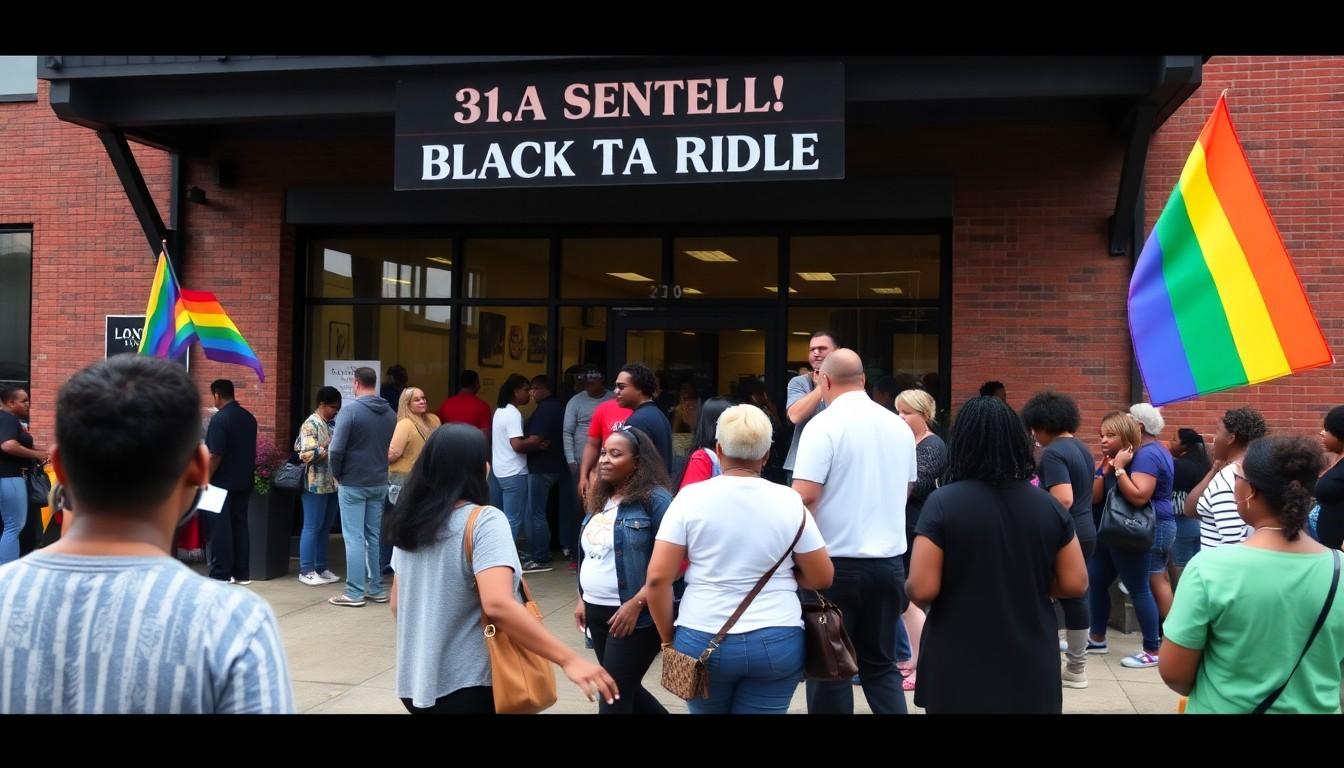
Celebrate, connect, organise: Pittsburgh Black Pride’s 31st year reminded people why dedicated Black LGBTQ+ spaces matter, offering joy, protection and practical support across the city. Attendees and organisers say seeing people who look like you and sharing real conversations keeps community strong, especially when national politics feel hostile.
Essential Takeaways
- Longstanding tradition: Pittsburgh Black Pride has run for 31 years, becoming a familiar, comforting presence for Black LGBTQ+ people in the region.
- Visibility matters: Attendees repeatedly cite the emotional lift of seeing themselves represented, diverse faces, ages, styles and stories.
- Community safety: Beyond fun, gatherings provide tangible support networks and resources that help people weather legal and social pressures.
- Organising and legacy: Leaders call the event a movement and a home, with plans that look toward sustaining and expanding programming.
- Local focus: Events include barbecues, panels and community programming that are accessible, welcoming and rooted in Pittsburgh neighbourhoods.
A home that’s been built for 31 years
There’s a particular warmth when a celebration feels like it has a foundation; Pittsburgh Black Pride arriving at 31 years carries that familiar, lived-in joy. Organisers and long-term attendees described the event as both a movement and a home, language that captures pride’s seriousness and its softness. According to the organisation’s accounts, the programming blends cultural celebration with practical resources, which keeps people coming back year after year. If you’ve never been, expect a mix of music, food and meaningful conversations, people say it feels like meeting relatives you haven’t seen in a while.
Visibility isn’t optional, it’s transformative
People told reporters the simplest thing matters most: seeing people who look like them. That visual recognition is an emotional shortcut to belonging, and it changes how folks imagine their future. Pittsburgh Black Pride’s focus on centring Black queer experiences pushes back against the erasure many face elsewhere in the scene. For parents, teens or elders, that mirror effect can quiet anxieties and open up new possibilities. Practically, bring comfortable shoes and an open mind; the day is as much about meeting neighbours as it is about performances.
Joy and respite amid political pressure
With laws and rhetoric targeting LGBTQ+ communities in other states, local gatherings take on a political weight. Attendees framed the event as a protective space, somewhat of a refuge where relationships and mutual aid are forged. The event mixes celebration with civic-mindedness: panels, resource tables and volunteer-run activities help people connect to support services. That blend matters because it turns happy moments into durable community infrastructure, friendships that double as safety nets when times get tough.
Programmes that combine festival energy with organisers’ intent
Pittsburgh Black Pride’s calendar includes everything from BBQs to workshops, and the organisers have been deliberate about balancing fun with empowerment. The group’s website lists multiple events and offers details about who they are and what they do, signalling an intention to be transparent and accessible. That clarity helps newcomers decide which events suit them, parents might choose daytime family activities, while younger attendees might seek musical showcases or forums. If you plan to attend, check the official events page for accessibility info and volunteer opportunities.
Looking ahead: planning for sustainability and growth
Organisers are already thinking beyond a single weekend, asking what Pittsburgh Black Pride should embrace in future years. Proposals include broader outreach, expanded educational programming and deeper ties with other local community groups. That forward planning reflects a desire not just to survive but to thrive, so the legacy can be passed on. Community members tend to respond well when they’re invited to shape those plans; if you care, show up to a planning meeting or volunteer a few hours.
It's a small change that can make every gathering count.
Source Reference Map
Story idea inspired by: [1]
Sources by paragraph: