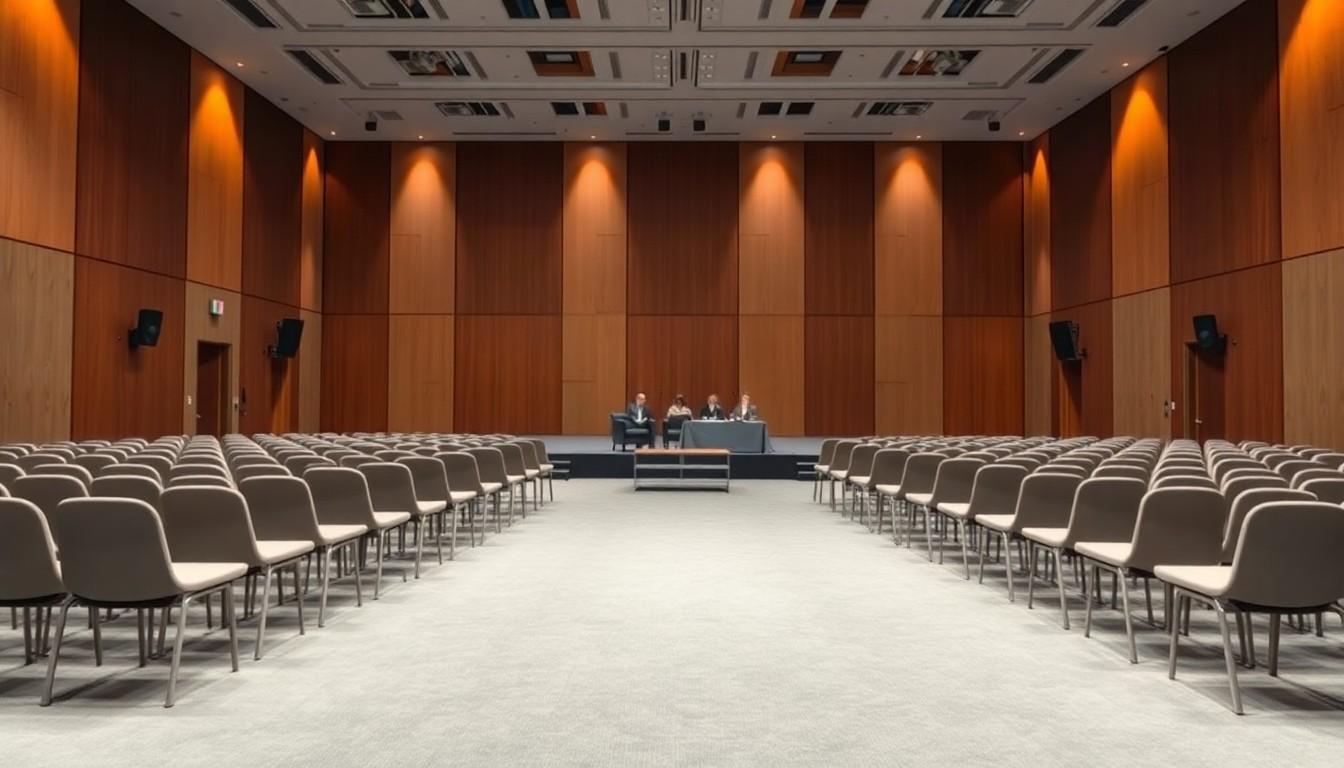
Shoppers and fans packed Room 4 at San Diego Comic‑Con to hear creators unpack the politics of representation; the “LGBTQIA+ Activism in Comics” panel showed how queer writers and indie publishers are responding to censorship, corporate gatekeeping and a fraught national moment , and why that matters to readers.
Essential Takeaways
- Solidarity onstage: Panelists emphasised community and coalition as primary coping strategies, not just for creators but for readers and local librarians.
- IP strategy: Writers use both diplomatic pitches and stealth representation to get queer stories into mainstream franchises, with mixed corporate responses.
- Indie wins: Making queer stories personal and unapologetic often grows audiences rather than shrinking them, according to indie creators.
- Backlash reality: Creators report uneven backlash; sometimes silence, sometimes erasure, and sometimes clear intimidation tactics via book bans.
- Actionable advice: Attend school board meetings, support local libraries, and seek out indie presses and anthologies that centre queer voices.
A room full of resilience , why the panel felt urgent and human
The SDCC panel opened with a blunt reminder: creators are operating under real pressure, and that urgency set a candid tone. According to the moderator’s framing, the queer community is currently targeted, and that sense of threat made every anecdote feel immediate and tactile. Fans laughed, groaned and nodded along , you could feel the room doing emotional work together.
Panelists traced that urgency to broader cultural fights, including book bans and politicised school debates. They treated comics not as escapist luxury but as a cultural battleground where representation and access really do matter. The takeaway was simple: attending panels and buying books is a kind of civic participation.
How queer creators sneak representation into big IPs
Writers working on established franchises described pragmatic, creative strategies for getting queer characters past corporate filters. Some lean on a “trusting, loving” pitch that frames inclusion as good for business; others take a bolder approach and write the characters anyway, finding editorial acceptance after the fact.
Participants compared responses across companies, noting that some imprints are surprisingly receptive, while others are guarded. The practical tip: if you want queer rep in a franchise, expect multiple routes , gentle persuasion, careful framing, or just keeping faith that the story will be read on its own merits.
Indie publishing: where risk turns into wider readership
Several panellists said the indie route gave them freedom to tell the stories they actually wanted to tell. Creators who moved from making “marketable” straight‑white narratives to work that reflected their identities found that audiences often grew, not shrank. One creator described how adding a bisexual coming‑out storyline to an online comic led to more views than ever.
Indie presses and collectives were presented as places to experiment and build authentic communities. If you’re a reader looking to expand your shelf, the practical move is to follow small presses, sign up for newsletters and buy directly from creators , that financial support helps more queer projects get made.
Backlash, bans and the limits of safety
The conversation turned darker when panelists discussed backlash. Some have avoided overt harassment by refusing to engage the trolls; others have had work quietly censored or removed from platforms. Book bans were called out as mostly symbolic but effective as tools of local intimidation.
Panelists urged audience members to show up in person at school board meetings and public forums to defend librarians and teachers. Practical advice included documenting incidents, supporting organisations that track bans, and using sales and public visibility to blunt the intended silencing effect.
Art, coping and the long view , creating despite exhaustion
Copings strategies ranged from communal care to deliberate escapism. Creators said leaning on friends, arts communities and nonprofit networks keeps them afloat; one emphasised laughter as a lifeline. Others described putting characters through hard things on the page as a way of processing trauma and imagining resilience.
Looking forward, panelists held different political readings but a shared optimism: queer stories persist and find readers. Whether you’re a comics fan, a parent or a librarian, showing up , buying books, attending talks, and speaking at local meetings , still matters.
It's a small change that can make every comic shelf a bit braver.
Source Reference Map
Story idea inspired by: [1]
Sources by paragraph: