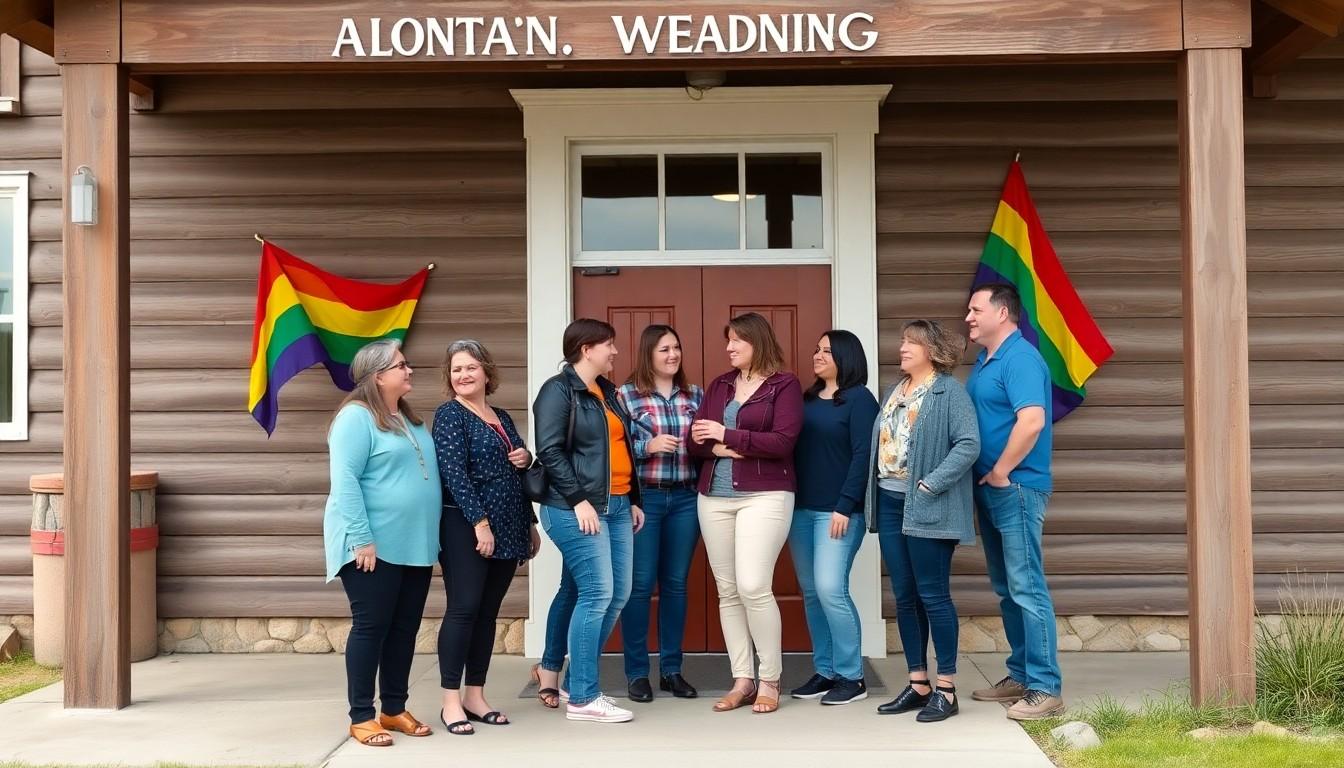
Shoppers are turning out, neighbours are showing up, and small towns across Utah are staging Pride months that feel intimate, determined and very visible; from Helper’s new Castle Country Pride to a Fredonia tavern’s drag brunch, these grassroots events matter because representation changes lives where community is smallest.
Essential Takeaways
- New growth: Castle Country Pride launched in Helper with films, readings, drag and a community dance party, signalling a regional step up in standalone Pride events.
- Unexpected venues: The Buckskin Tavern in Fredonia hosted a two-day festival and drag brunch, showing Pride can thrive even near conservative, tourist‑focused areas.
- Family friendly: Tooele Pride and other gatherings prioritised family programming , face painting, open mics and food trucks , making Pride accessible across ages.
- Sustained networks: Organisations from the Uintah Basin to St. George run year‑round training, mentoring and meetups, not just summer festivals.
- Local impact: For small towns, visibility isn’t just celebratory; it’s practical , a place to find resources, allies and safety.
Castle Country Pride proves small towns can stage big hearted events
Castle Country Pride’s debut in Helper felt quietly cinematic: a free screening at the Rio Theatre, poets and a drag performer on a sunlit Main Street. The programme blended nostalgia , Helper’s mining and railroad history , with contemporary celebration, and the park’s dance party closed the weekend on a high note.
Organisers like Kylee Howell and local performers made sure the event read as community‑first rather than a one‑off spectacle. According to reporting in local outlets, resource tables, kids’ activities and volunteer support were core to the weekend’s success, which helps explain why attendees described the day as warm and welcoming rather than merely political.
This matters because Helper is the sort of town where word of mouth carries. If Pride feels safe and joyful here, it signals to nearby Carbon County residents that being out and visible is possible. For readers choosing a first Pride to attend, look for events that name family programming and resource partners , they usually mean organisers have thought through accessibility.
A tavern in Fredonia bets on being “Free to Be Me”
Over on the Utah‑Arizona border, the Buckskin Tavern’s “Free to Be Me” festival leaned into local colour: DJs, food trucks, pool tables and an outdoor drag show, all on the sort of small‑town main street that tourists zip past on their way to national parks.
The festival’s compact scale , weekend passes under $25 , and the tavern hosting a subsequent drag brunch show how nightlife‑adjacent venues can convert ordinary spots into platforms for queer visibility. Organisers openly acknowledged the novelty of a Pride event in a region better known for conservative politics, and that frankness can help normalise attendance for curious locals.
If you’re from a neighbouring town and nervous about your first Pride, consider daytime activities like vendor markets or family events first. They tend to feel lower pressure, and venues with clear ticketing and schedules are easier to plan around.
Tooele and other counties opt for family‑first Pride days
Tooele Pride focused on being a community day out: food trucks, face painting, an open mic and live acts at a local marketplace. It’s the sort of programming that invites parents, teens and older adults without centring parade spectacle.
This pattern , quieter, family‑oriented programming , is repeated in other smaller Utah communities. From youth‑focused meetings in Cache Valley to Pride Proms in St. George, organisers are tailoring events to local needs and creating regular touchpoints for LGBTQ+ people outside the Wasatch Front.
Practical tip: check event listings for “resource booths” or “youth programming” if you want supports or sober, family‑friendly spaces. Those signals usually mean trained volunteers and a lower‑stimulus environment.
Year‑round work: training, mentoring and local hubs extend Pride’s reach
Beyond weekend festivals, an important throughline is sustained organising. The Uintah Basin’s equality centre ran paint nights and picnics, while Utah State University’s Uintah Basin campus offers “LGBT 101” and “Trans 101” ally training as part of Project Rainbow. In Cache Valley and Grand County, mentoring and suicide‑prevention activities keep the conversation going.
According to regional reports, these programmes matter because a June picnic or July festival can’t replace ongoing services. Local hubs make it easier for people to find help, form friendships and gain confidence to be visible.
If you want to support these efforts, volunteer with local equality centres, donate to regional Pride groups, or ask your workplace about sponsoring training sessions , small contributions go a long way in places with limited resources.
What this expansion means for Utah and the people in it
Taken together, these grassroots Prides show a practical truth: visibility scales down as well as up. When a drag brunch happens in Fredonia or a Pride prom draws teens in St. George, it reshapes daily life, not just the calendar. Organisers say that “y’all means all” in places where a single supportive event can change someone’s sense of possibility.
For readers, the takeaway is simple , show up if you can, bring a friend, and treat these gatherings as community infrastructure rather than novelty. They’re where connections form, services are shared, and normality gets rewritten one small town at a time.
It's a small change that can make every Pride feel a bit closer to home.
Source Reference Map
Story idea inspired by: [1]
Sources by paragraph: