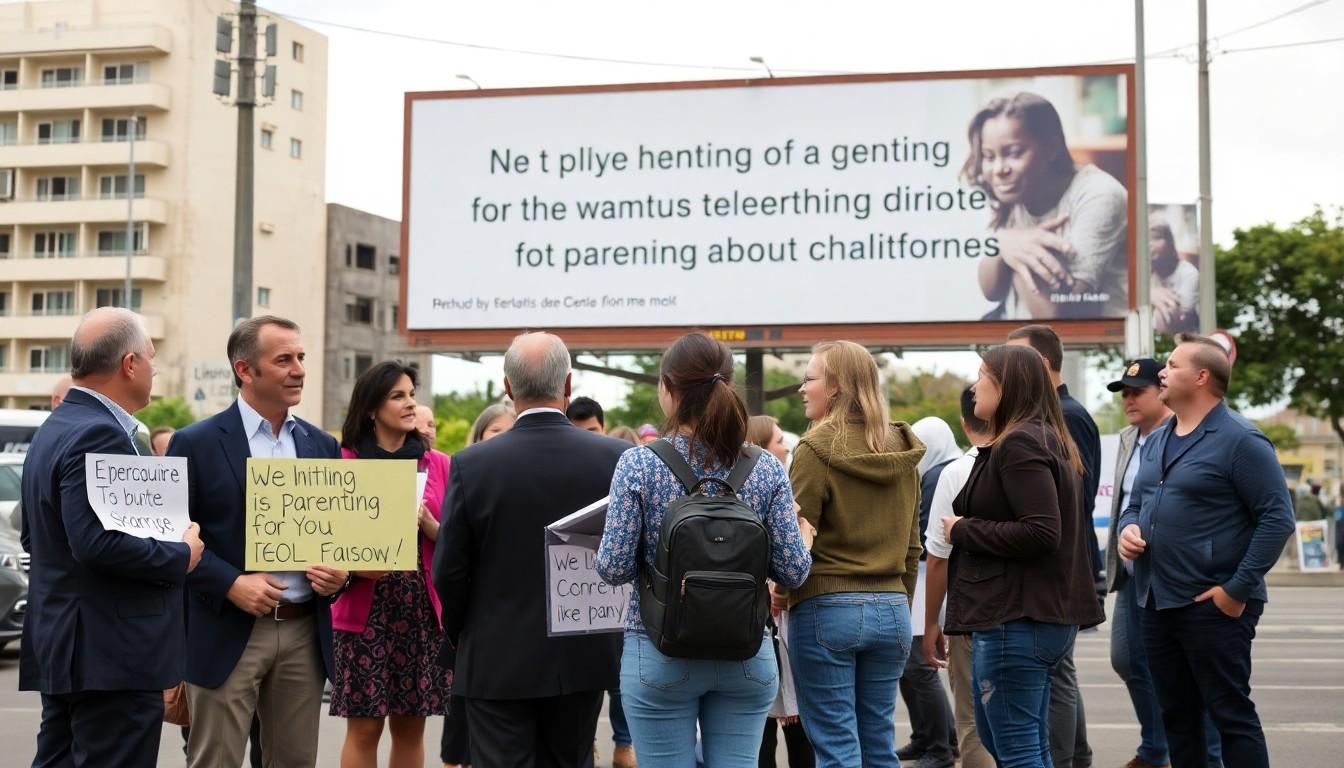
Shoppers and residents in Lima rallied after controversial billboards appeared, and local LGBTQ+ groups and councilors mounted a quick, visible counter-campaign to protect kids and families , a fast, fundraising-driven show of support that matters in small-town Ohio politics.
Essential Takeaways
- Local backlash: Community members and LGBTQ+ groups gathered outside Lima Municipal Building, organising rallies and sign-filled demonstrations.
- Counter-billboards launched: Have a Gay Day raised roughly $18,300 in 48 hours to put up pro-LGBTQ+ messages like “You are loved.”
- Political support visible: Local councilors, including Tony Wilkerson and Jamie Dixon, publicly condemned the original adverts and defended diverse families.
- Emotional impact: Protesters described the original messages as targeted at children and hurtful; supporters stressed love and safety for kids in all family forms.
- Ongoing campaign: One pro-LGBTQ+ billboard will remain for two weeks at 4500 Elida Road, with plans for more as fundraising continues.
Why Lima turned out: a swift, human reaction
People in Lima reacted quickly, and you could see why , the billboards landed in busy spots near Elida and Allentown roads, bright and unavoidable. According to local reporting, groups from Columbus and Dayton arrived to amplify the protest, creating a visual counterpoint of sheets and placards that felt immediate and earnest. The speed of the response shows how small cities can mobilise fast when a public message feels personally hurtful.
Backstory matters here: the billboards were paid for by a national group that frames its work as defending children, and locals saw that as an attack on kids being raised by same-sex parents. That framing turned private family dynamics into public debate, and many Lima residents chose to push back with an affirmation campaign instead.
How organisers turned anger into action , and cash
What struck a lot of people was the fundraising muscle on display. Have a Gay Day managed to raise more than eighteen thousand pounds , sorry, dollars , in just two days to buy its own billboards reading “You are loved” and counter-statements about children with two mums or two dads. That kind of quick crowdfunding shows how modern activism often looks: fast, digital, and highly targeted.
Practical tip: if you want to mount a local counter-message, online fundraisers and a clear visual plan for where to place adverts work. Choose high-traffic locations, keep the copy simple and affirming, and be ready for swift legal or council questions.
Council chambers became a public theatre of family stories
The local council meeting read like a microcosm of the city’s debate. Residents and billboard representatives spoke during privilege of the floor, and councilors responded with personal testimony. Second Ward councilor Tony Wilkerson described being a stepfather with vivid, everyday examples , checking under beds, going to first-day-of-school events , that reminded the room parenting is practical, not just biological.
Council president Jamie Dixon connected the issue to his own past, saying the billboards reawakened memories of being bullied and moved him to defend vulnerable kids. When elected officials personalise the stakes, it changes the tone from abstract policy to lived experience , and that matters in local politics.
What the billboards actually said, and why it matters
The original adverts read in rainbow lettering “No child has two moms. No child has two dads,” a line intended to provoke debate around parenting definitions. National and regional coverage has flagged these as part of a wider push by anti-LGBTQ+ groups to influence public opinion across states. For families seeing that message on the school run, the point isn’t abstract; it’s a sharp, public repudiation of their home life.
Context: this kind of messaging often prompts local pushback precisely because it appears aimed at children. That’s why advocates chose simple, loving replies on their own billboards , an explicit effort to reassure kids who might otherwise feel singled out.
What this means for other towns , and how to respond locally
Small cities can learn from Lima’s mix of grassroots organising, political support and fast fundraising. If a community wants to respond to a divisive public message: gather local leaders early, be clear about your aim (reassurance beats counter-attacks), and use concise, affirming language on any public ads. Also, consider partnering with established groups to amplify reach and legal advice to navigate placement rules.
A human note: street-level campaigns have power because they meet people where they are , on their commutes, outside supermarkets, in school zones , and because they create visual proof someone else sees you and cares.
It's a small change that can make every message a bit kinder.
Source Reference Map
Story idea inspired by: [1]
Sources by paragraph: