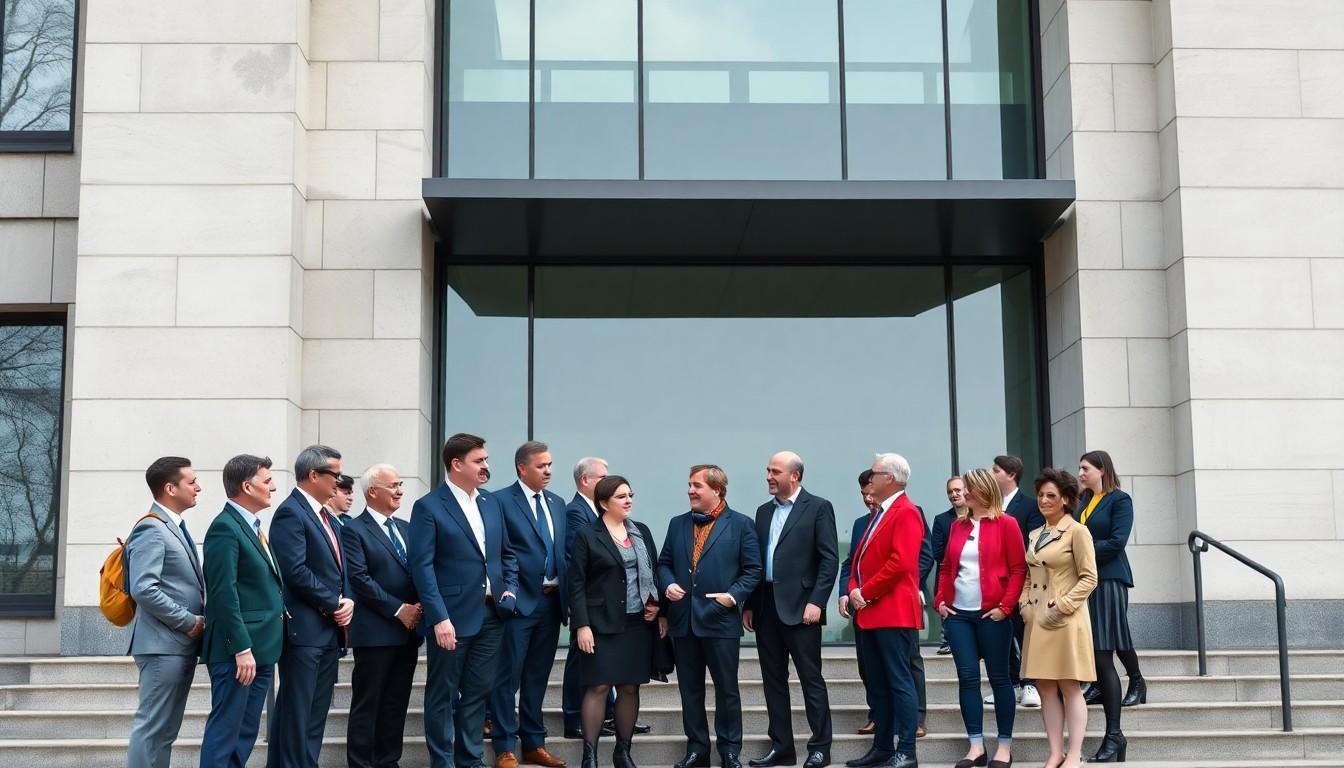
Shoppers for equality are watching as the SPD moves to enshrine protection for sexual identity in Germany’s constitution; party leaders say the change follows the Berlin CSD attack and would make discrimination explicitly unlawful, a step activists and experts argue could strengthen long-term rights and support services.
Essential Takeaways
- SPD initiative: Party leaders Lars Klingbeil, Bärbel Bas and Tim Klüssendorf want sexual identity added to Article 3 of the Grundgesetz.
- Political hurdle: A constitutional amendment needs a two‑thirds majority in both Bundestag and Bundesrat, so cross‑party support is crucial.
- Not an immediate crime fix: The change is symbolic and preventative , it sets a constitutional standard rather than creating new criminal offences.
- Support services at risk: SPD voices warn against cuts to queer youth funding and say counselling centres need steady backing.
- Wider political call: The Greens urge the Union to drop opposition so progress can happen “now”.
Why the SPD revived the constitutional push , and why it feels urgent
The SPD says the proposal to name sexual identity explicitly in Article 3 comes after the shock of the attack at the Christopher Street Day in Berlin, and it’s easy to see why emotions are high , there’s a sharp, communal sense that symbolic protection matters. According to SPD leaders, spelling out protection in the Grundgesetz would act like a constitutional guardrail against future rollbacks of queer rights. The move isn’t about inventing new criminal penalties, but about setting a clear legal and moral baseline, and that clarity is what many campaigners have been asking for.
What adding sexual identity to Article 3 would actually change
Constitutional lawyers and activists point out this is primarily a declarative step: it strengthens equality language at the top of Germany’s legal order and informs how courts and lawmakers interpret other laws. In practical terms, it would bolster arguments against discriminatory policies, guide administrative practice and shape judicial reasoning , but it won’t, by itself, create fresh statutory offences. If you’re wondering whether it’ll stop individual hate crimes overnight, the short answer is no; what it can do is make it harder for a future government to roll back protections or defang anti‑discrimination policies.
Politics on the ground: can the Union be persuaded?
A two‑thirds majority in both chambers is a high bar, and the SPD is frank that it needs votes beyond its own benches. The Greens have publicly called on the Union to abandon its resistance, saying a majority is possible if that happens. For the change to pass, the SPD will have to marshal regional governments and centrist MPs, and build a campaign showing voters this is about equal dignity, not partisan theatre. Expect negotiations that trade wording and implementation guarantees for reluctant support.
Funding and services , the argument beyond symbolism
SPD figures also flagged an immediate worry: cuts to funding for national queer youth organisation Lambda and to local counselling and safe‑space services. The party argues a constitutional mention should go hand in hand with protecting the structures that support queer people daily. That’s a practical point: even the best constitutional text is thin comfort if frontline services are underfunded. So activists are watching both the amendment and budget lines closely.
What campaigners say , prevention through visibility
Queer advocates welcome the move as overdue and preventative. The federal Queer Commissioner described naming sexual identity as a deterrent to future discriminatory legislation and said it would offer psychological and institutional reassurance. There’s a broader European context too: several countries already list sexual orientation or identity in domestic anti‑discrimination laws or constitutions, and Germany’s step would align it with that trend. Still, campaigners stress the amendment must be accompanied by concrete measures , training, monitoring and funding , to make the promise meaningful.
It's a modest constitutional tweak with potentially big symbolic weight; whether it becomes law will depend on politics, persuasion and the willingness to pair words with resources.
Source Reference Map
Story idea inspired by: [1]
Sources by paragraph: