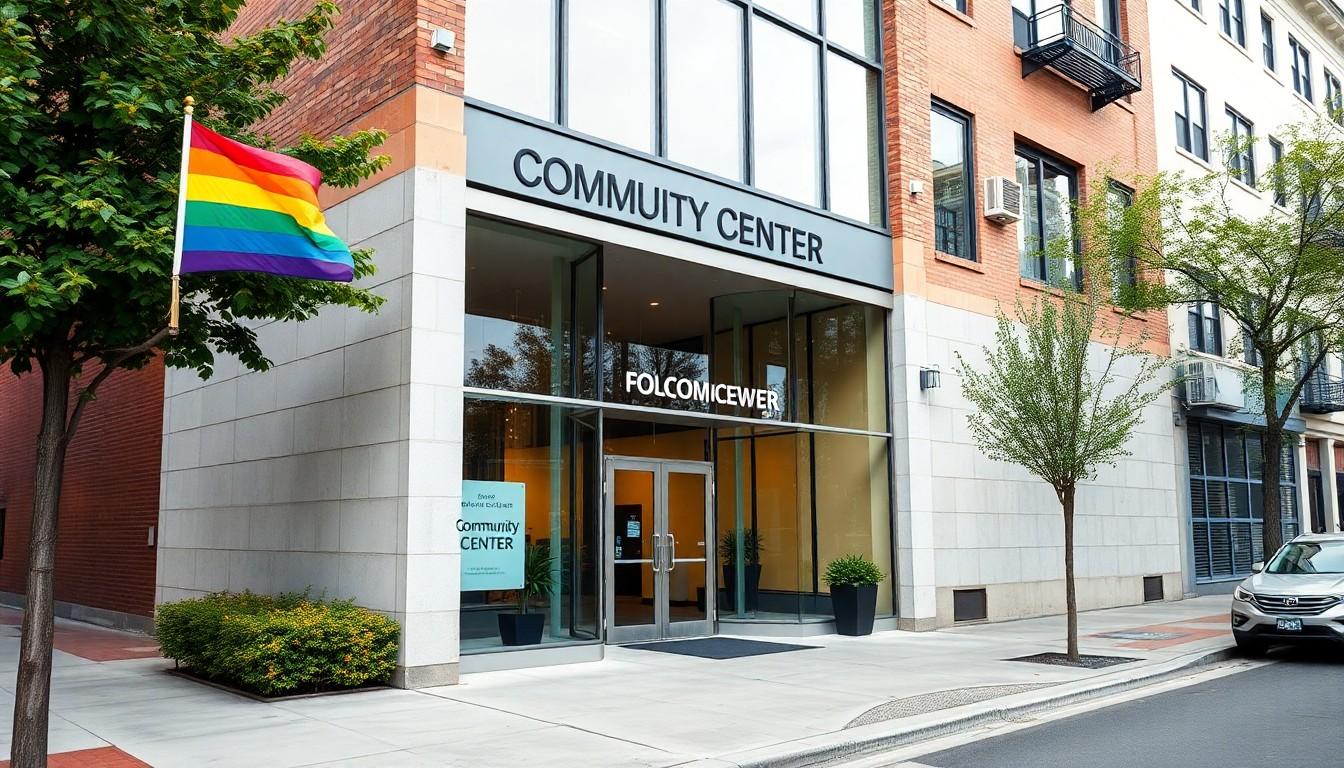
Watchful organisers, steady communities and clearer safety plans are replacing instinctive outrage after recent attacks on Pride events; survivors, city officials and LGBTQ+ groups need sensible, tested measures to keep people safe and preserve the spirit of celebration.
Essential Takeaways
- Immediate danger: Berlin’s Pride event was struck by a vehicle attack that killed one person and injured many, with police later shooting the suspect. The scene was chaotic and traumatic.
- Visible security matters: Rapid response from police and medical teams saved lives and steadied the crowd; a sturdy, visible security presence reassures attendees.
- Community tensions flare: The attacks have intensified debates about solidarity, flags and political messaging at Pride events, creating strain between different activist groups.
- Practical fixes: Better planning , crowd-control barriers, vetted volunteer training, liaison with local communities and clear messaging , reduces risk and confusion.
- Emotional care: Long-term recovery needs counselling, public acknowledgement and forums for dialogue to rebuild trust and prevent polarisation.
Why recent attacks have forced a rethink of Pride safety
The car-ramming in Berlin left a scene of overturned strollers, shattered nerves and urgent questions about how to protect celebratory street gatherings. According to Al Jazeera and reporting from Berlin authorities, emergency services moved quickly and police neutralised the suspect, but the damage to people’s sense of safety was immediate. That raw fear is tactile , a crowd that moments before was dancing suddenly becomes a jumble of shock and bloodied clothing. Event organisers now face the dual task of preventing violence and helping communities process trauma.
What went wrong , and what organisers can change
Events that span city streets are inherently porous; a parade’s open nature makes it joyous but also vulnerable. The Guardian and local reporting show how a single vehicle can transform a parade into a crime scene in seconds. Practical changes can help: controlled vehicle exclusion zones, strategically placed bollards or barriers, rehearsed evacuation routes and staggered access points. These measures don’t have to sterilise a Pride , they simply create safe perimeters so people can celebrate without being exposed to easy vehicular attack.
Security without turning Pride into a fortress
Nobody wants to replace rainbow flags with razor wire, and organisers are searching for balance. Visible policing reassures many attendees, but heavy-handed tactics risk alienating communities who already distrust law enforcement. The best approach blends trained volunteer marshals, plainclothes safety teams, community liaisons and a proportionate uniformed presence. According to news accounts, coordination with local police and emergency services before an event improves response times and reduces confusion during an incident.
Political symbols, solidarity and the social fallout
Recent coverage highlights how political flags and chants at Pride can inflame tensions after an attack, especially when those symbols touch on international conflicts or competing narratives of victimhood. Public debates are emerging about what belongs on parade floats and what crosses a line into provocation during times of heightened fear. Event organisers may need clearer policies about permitted flags or messaging and to create designated spaces for political demonstrations so the main parade remains inclusive and focused on safety.
Supporting survivors and rebuilding community trust
Beyond physical security, recovery demands psychological care. Immediate trauma support, follow-up counselling and public remembrance help victims and witnesses feel seen and supported. Open, mediated conversations between affected groups can prevent polarization and conspiracy narratives from taking root. City leaders and Pride committees should fund victim services and host community forums; small gestures, like a permanent memorial or annual safety review, signal that organisers learned and will keep people safer next year.
It's a small shift that can make every Pride both celebratory and safer , careful planning, clear boundaries and real support for survivors keep the party going without sacrificing peace of mind.
Source Reference Map
Story idea inspired by: [1]
Sources by paragraph: