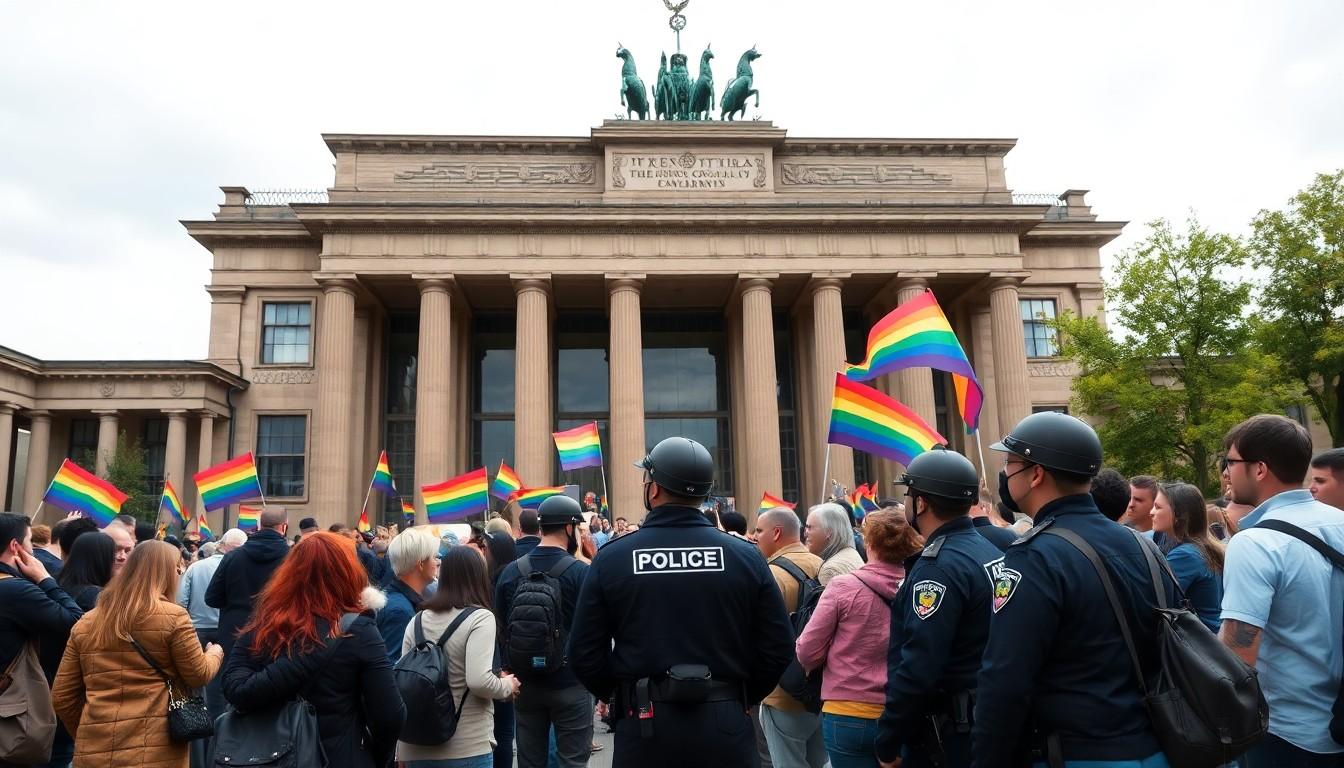
Watch crowds swell, voices rise and flags flutter , Christopher Street Day in Berlin shows how Pride remains part protest, part celebration, and why taking a clear position on democracy and rights matters now more than ever. From Stonewall’s spark to today’s two‑day festivals, CSD blends history, joy and civic defiance.
Essential Takeaways
- Historic roots: Stonewall in 1969 is widely credited as the spark that transformed LGBT+ resistance into an organised rights movement.
- European echo: Christopher Street Day began in West Berlin in 1979 and has grown into one of Europe’s largest Pride events, with a festive, political mix.
- Visible and vocal: This year’s CSD in Berlin ran across two days, combining performances, speeches and a central parade that felt both celebratory and resolute.
- Political stakes: With right‑wing parties gaining ground in some polls, organisers explicitly framed CSD as a defence of open, democratic values.
- Human impact: Survivors, visitors and locals reported a range of emotions , from grief and terror to relief and solidarity , underscoring Pride’s ongoing social importance.
Stonewall’s spark: how a raid became a movement
The story that still pulses at the heart of every Pride begins at a small bar in Greenwich Village, where an evening police raid turned into outright resistance. Witness accounts and historical timelines show that what might have been another humiliating sweep instead met collective pushback, a moment charged with anger and a fierce refusal to be pushed back into the shadows. That raw feeling , equal parts fear, indignation and relief , is the emotional DNA of modern Pride.
Historians note that Stonewall wasn’t the sole act of defiance in 1969, but its visibility and aftermath gave momentum to organised activism. For readers, the takeaway is simple: movements often begin in small, disordered moments that refuse to be ignored. Remembering the sensory detail , the shouts, the clatter in the street, the sudden flood of people , helps explain why anniversary commemorations still land so powerfully.
From New York to Berlin: the birth of Christopher Street Day
A decade after Stonewall, activists in West Berlin took the idea and translated it to local conditions. The first Christopher Street Day in 1979 was a modest, politicised demonstration , a probe for visibility in a society still wrestling with legal and social stigma. The event’s political tone reflected Germany’s recent legal shifts and the long shadow of persecution; yet witnesses recall a celebratory atmosphere too, which is why CSD has always sat between protest and party.
As the years passed, CSD’s crowds swelled and the tone broadened to include music and performance. That evolution mirrors wider LGBTQ+ progress across Europe, where legal gains and greater public acceptance coexist with ongoing fights over rights and recognition.
Why Berlin’s Pride felt different this year
This year, Berlin’s organisers stretched CSD across two days, adding cultural programming to the traditional march. The move made the festival feel more like a civic event than a single parade: art, speeches and community booths softened the edges without diluting the message. Visitors described the scene as loud, colourful and emotionally charged , a mix of relief and vigilance.
Organisers explicitly urged people to “take a stance” in light of rising support for right‑wing parties in some polls. Framing Pride as a defence of open society shifted the conversation from identity alone to shared civic values, which in turn drew in politicians and allies who otherwise might stay distant.
What it means for participants: faces, fears and resilience
Personal testimonies from attendees make the politics tangible. Some spoke of terror and grief , echoes of violent incidents that reverberate long after headlines fade , while others celebrated a return to public life and visibility. Those mixed emotions are normal: Pride remains a place of joy and remembrance, spectacle and solidarity.
For anyone planning to attend CSD or similar events, practical tips help: travel light, stick with friends, respect designated quiet zones for survivors, and support local charities that offer counselling and legal aid. These small gestures make the parade safer and more inclusive.
Looking ahead: Pride as a public stance, not just a party
Christopher Street Day has shown itself to be resilient and adaptable: from a small march to a major cultural fixture, it now serves as a barometer of civic health. When festival organisers urge people to take a position, they’re asking for more than party attendance , they’re asking for democratic engagement. That message matters in any city where rights feel contested.
So whether you come for the music, the history, or the politics, remember that Pride festivals still do important work. They celebrate gains, mourn losses, and prod societies to live up to their democratic promises.
It’s a small change in behaviour that can make every march and every flag mean a little more.
Source Reference Map
Story idea inspired by: [1]
Sources by paragraph: