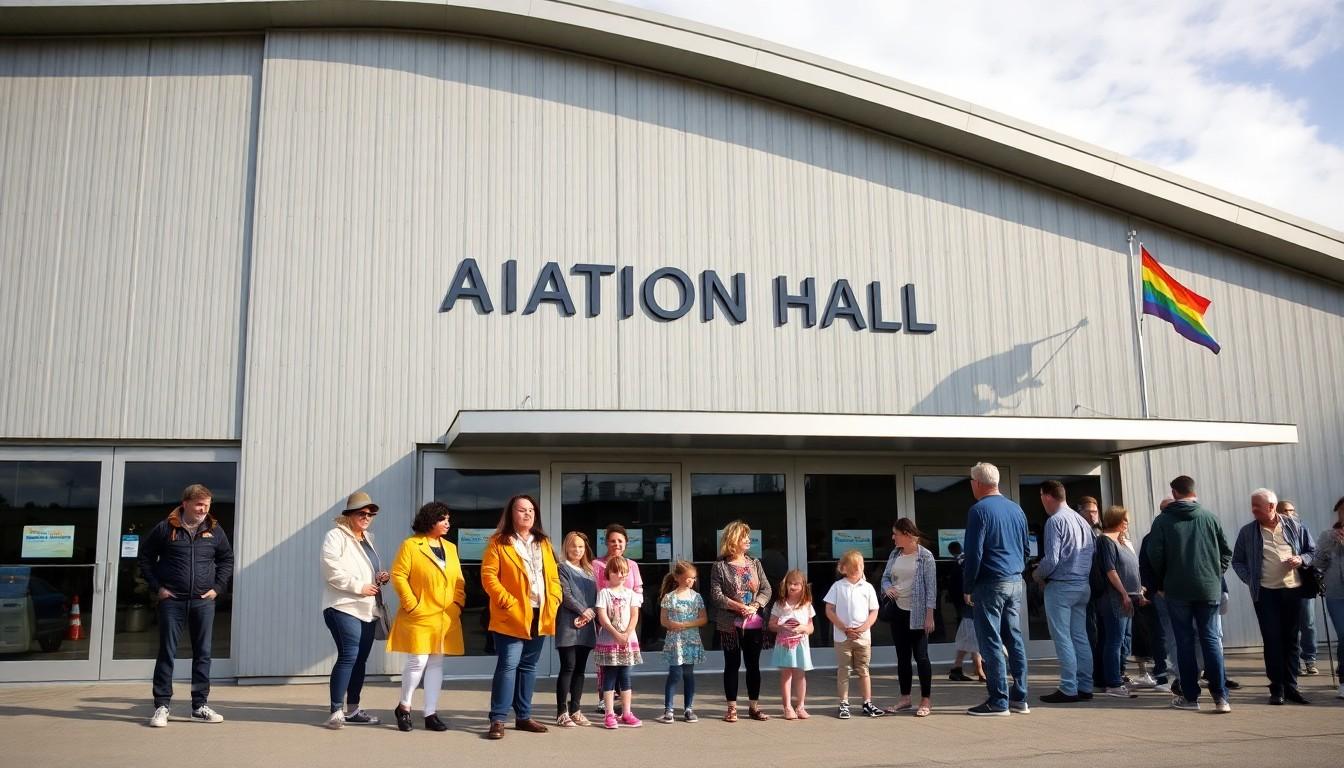
Celebrate with light, stories and hands-on fun as MOTAT marks 40 years since New Zealand’s Homosexual Law Reform, families, veterans and the rainbow community are invited to an inclusive, whānau-friendly afternoon of readings, screen printing and rainbow-lit aircraft.
Essential Takeaways
- Date and place: MOTAT’s Motions Road Aviation Hall on 8 August will host the 40th-anniversary event.
- Highlight: Brad Poulter, Navy veteran and author, will read from and sign his memoir Built for This.
- Atmosphere: The Aviation Hall will be lit in rainbow colours and feature live screen printing, take-and-make activities and commemorative bookmarks.
- Accessibility: Activities are designed for intergenerational whānau, with hands-on crafts suitable for kids and adults; donations (kōhā) are welcome.
- Context: The event marks the 1986 Homosexual Law Reform, a legal turning point that reshaped LGBTQIA+ rights in Aotearoa.
Why MOTAT is marking 40 years of Homosexual Law Reform
MOTAT has chosen a striking, public way to mark four decades since the Homosexual Law Reform Act became law in 1986, turning the Aviation Hall into a rainbow-lit space that’s hard to miss. The lighting will make the aircraft and vehicles feel celebratory but also quietly reflective, a visual nod to how far social and legal change has come.
The museum’s Visitor Experience Manager says the anniversary is a moment to acknowledge history while showing current support for the rainbow community. Museums have become more proactive about representation, and MOTAT’s programme deliberately links heritage displays with present-day stories to make that history tangible. If you’re planning to go, expect a mix of commemoration and family-friendly activity.
Brad Poulter’s appearance: memoir, service and candour
One of the event’s centrepieces is a reading and signing from Brad Poulter, a former Royal New Zealand Navy sailor whose memoir traces service, sexuality and cultural change. Poulter’s story, growing from a rural upbringing into two decades in the Navy and later inclusion work, adds a human thread to the legal milestone being marked.
Poulter has spoken about the pressure to conform to a narrow idea of masculinity and how institutional change unfolded slowly within the armed forces. He’s described his reading as relaxed and conversational, so expect humour alongside honesty. For readers who like personal histories that double as social snapshots, this will be a highlight.
Hands-on pride: screen printing, bookmarks and family activities
MOTAT is leaning into craft and play with live screen printing led by artist Ingrid Anderson, where visitors can make Pride-themed tote bags or tea towels using a special “badge of honour” graphic. The Print Shop has also produced commemorative bookmarks while stocks last, and a take-and-make activity features MOTAT’s dramatic military searchlight.
These activities are free, though kōhā are welcome, and they’re explicitly designed to be intergenerational. That means you can bring small kids who’ll enjoy the tactile fun, teens who want something to take home, and grandparents who might appreciate the historical displays. Practical tip: arrive early if you want a signed copy of Built for This or one of the limited bookmarks.
Military history and changing attitudes in the Defence Force
Holding the event where MOTAT houses military land vehicles and aircraft foregrounds a useful contrast: many armed forces were openly homophobic until human-rights protections advanced in the 1990s. The museum’s setting makes it possible to talk about both the legal change of 1986 and the cultural shifts that followed in institutions like the Defence Force.
Poulter’s role in promoting inclusion, he helped lead the NZDF’s LGBTQIA+ network, illustrates that rule changes don’t instantly change everyday experience. As he’s observed, you can change the rules faster than you can change the room, which is a useful way to think about ongoing work in workplaces and communities. Visitors interested in military social history will find that context especially resonant.
What visitors should know before they go
Expect a celebratory but thoughtful tone: rainbow lighting and craft activities alongside readings and historical material. The event is free to attend but some activities are limited by materials, so plan to arrive early for the most popular elements. Bring questions for Poulter, he’s said he enjoys conversation and nothing is off limits.
If you want to dig into the law behind the anniversary, the Homosexual Law Reform Act of 1986 is the starting point for New Zealand’s more recent human-rights protections, and MOTAT’s programming references that legal turning point. It’s a public, family-friendly chance to acknowledge the past and celebrate what’s possible today.
It's a small change in plans that can make the celebration meaningful, come ready to listen, craft and talk.
Source Reference Map
Story idea inspired by: [1]
Sources by paragraph: