Discovering that Mexico can be both proudly queer-friendly and imperfectly human, this piece follows one newcomer's journey from hearing a stadium chant to stumbling into a joyful Pride parade , and explains what that patchwork means for LGBTQ+ visitors and residents.
Essential Takeaways
- Historic legal change: Same-sex marriage is legal across all 32 Mexican states, giving couples nationwide recognition.
- Stadium culture clash: Homophobic chants like the "puto" chant remain common at football matches, creating discomfort and international sanctions.
- Everyday safety varies: Many towns and cities host visible, celebratory queer events where people feel safe and welcomed.
- Look for context: Big public displays don't erase prejudice, but local pride festivals and legal reforms show progress.
- Practical tip: Choose neighbourhoods and events known for inclusivity, and treat match days with caution if homophobic chanting concerns you.
From a charged chant to a colourful parade , a surprising first impression
I remember being jolted by a chant that echoed around a stadium and felt, for a moment, like a national emblem of intolerance, sharp and uncomfortable. According to reporting, that chant has persisted across major matches and has even drawn FIFA discipline for its homophobic nature. The sound lingers; it’s loud, communal and troubling to anyone who’s felt targeted by it. Yet the same country also stages vibrant public displays of queer joy, which can be warm and welcoming.
Legal progress: nationwide recognition matters
Mexico’s legal landscape has changed dramatically in recent years, with same-sex marriage now legal in every state. Outlets like the Los Angeles Times and NDTV documented the final steps toward nationwide recognition, and the shift has practical consequences , couples can marry, access legal protections, and plan futures without the patchwork of state bans some countries still endure. Law alone isn’t a cure-all, but legal equality gives people a foundation to claim space in public life.
Sport culture and international pressure , why the chant persists
Football fans’ chants have sparked international headlines and sanctions, and organisations such as FIFA have stepped in to punish venues for homophobic chanting. Coverage in major papers shows federations are trying to curb the behaviour, but the chant has deep cultural traction at matches, where tradition, bravado and group dynamics amplify it. If you’re heading to a game, be prepared for a charged atmosphere , and know that governing bodies are actively trying to change it.
Street-level experiences: how Pride looks on the ground
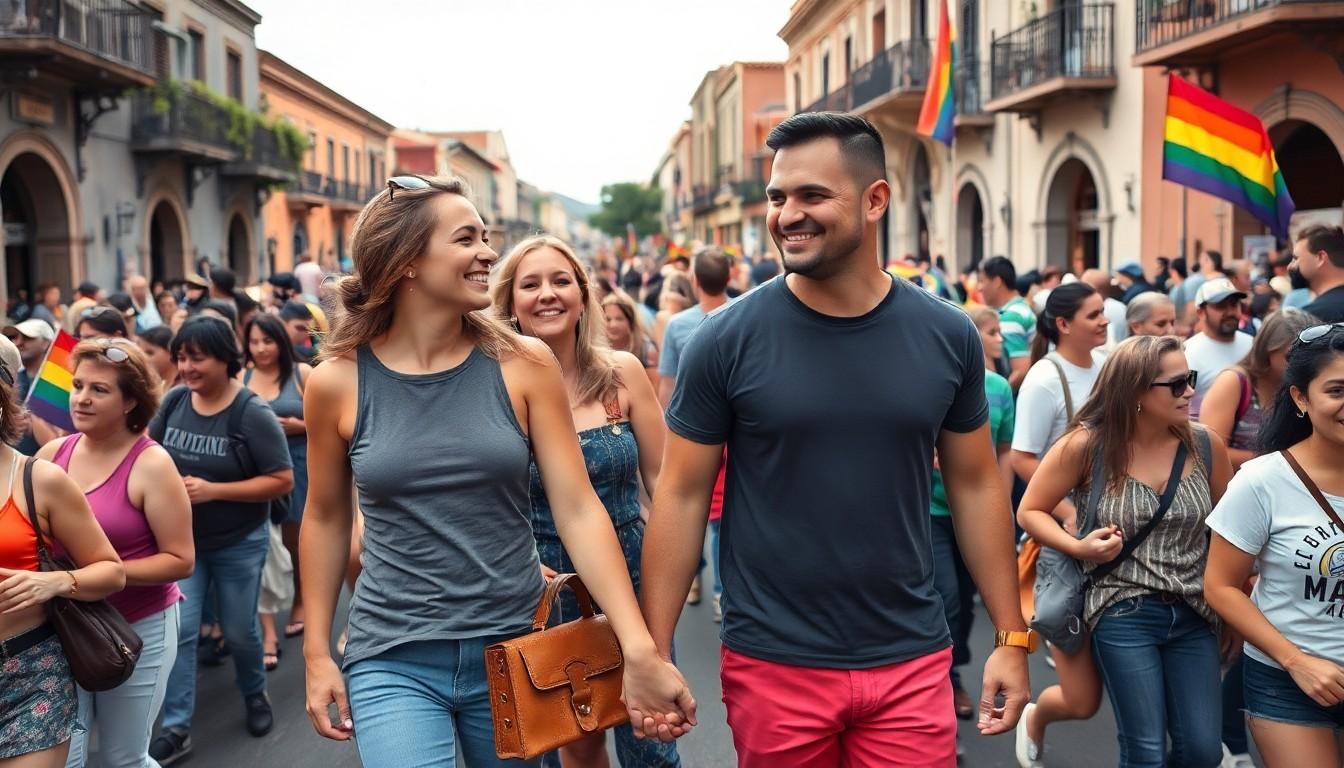
On a quiet afternoon in a small city park, stumbling into a Pride march felt like finding an oasis of colour and safety. Locals and visitors marched together, waving flags and dancing past historic churches, and the reaction from bystanders was largely curious or supportive. These grassroots celebrations show a different Mexico: one where queer people live openly, organise and take joy in public places without obvious fear. That visible normality matters, because it shapes daily comfort more than headlines do.
Practical advice for visitors and residents
Use a mix of official guidance and local knowledge. Seek out cities and neighbourhoods with established queer scenes and check organisers’ social channels for safety updates on parades or events. On match days, expect that homophobic chanting may surface; if that’s distressing, consider watching in LGBTQ+ friendly bars or private gatherings. And remember: legal protections exist now in every state, so reporting discrimination or seeking legal help has become more practical than it once was.
It's a messy, hopeful picture , and worth exploring with eyes open and heart ready for both caution and celebration.
Source Reference Map
Story idea inspired by: [1]
Sources by paragraph: