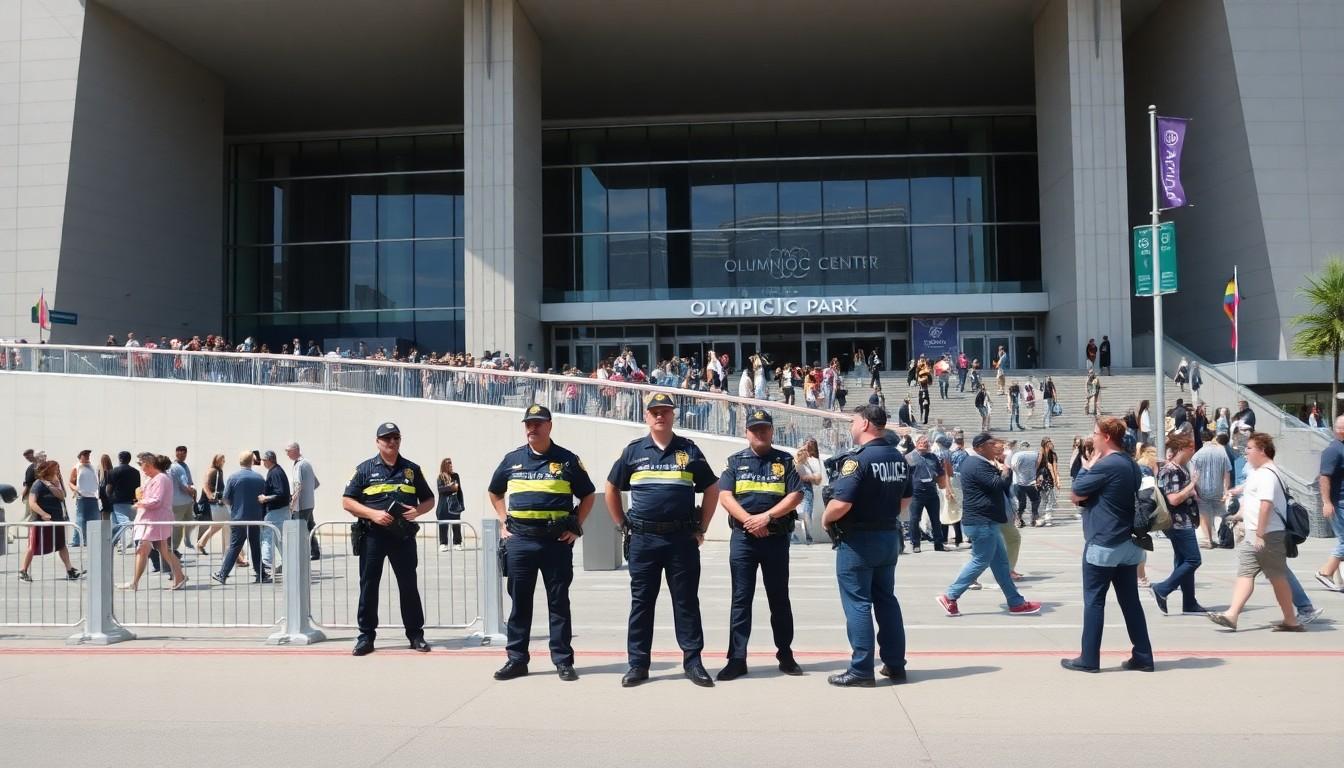
Shoppers and festival-goers are watching closely as Fierté Montreal tightens safety for its 20th Pride, adding barriers and patrols across the Village and Olympic Park , a visible response after the deadly van attack at Berlin Pride that left communities shaken. Here’s what organisers are doing, and what attendees should know.
Essential Takeaways
- Visible perimeter: Olympic Park events keep an existing secured perimeter, with extra checkpoints and a sturdy, controlled entrance flow.
- Street protections: Concrete barriers and protective installations will be added along the pedestrianised St‑Catherine Street and cycling paths; expect a firmer, less casual promenade feel.
- Parade traffic control: Police will help Fierté’s roughly 300 security staff by blocking cross streets along the René‑Lévesque parade route on Aug 9.
- Community focus: Organisers cite dialogue and collective engagement as part of their 2026 approach, balancing safety with festival spirit.
- Practical note: Attendees should allow extra time for entry, bring ID, and expect some routes to be rerouted or closed.
What prompted the changes, and how they’ll look on the ground
The deadly vehicle attack at Berlin Pride sharpened focus on mass‑event security across Europe and North America, and Fierté Montreal reacted quickly. Organisers told CTV News they’ll beef up physical protections, adding concrete barriers and other installations along busy festival arteries. You’ll notice a firmer, more controlled atmosphere , the kind of tactile detail that says safety first, celebration second.
This isn’t about turning Pride into a fortress, but about making everyday festival moments , wandering St‑Catherine, cycling through the Village , feel reliably secure. Expect more visible staff, equipment and temporary fencing that guides crowds without killing the mood.
Olympic Park stays secure, but the Village gets extra protections
Fierté’s events at Olympic Park already sit inside a security perimeter, which gives organisers a strong starting point. That site will keep its controlled-access setup, while the pedestrianised stretch of St‑Catherine Street will see added barriers and protective measures. For neighbourhood regulars, it’ll look like festival infrastructure stepping up a notch , concrete bolsters, clearer walkways, fewer ad‑hoc shortcuts.
If you like a calm, orderly entrance, this is good news. If you prefer a looser street fair vibe, the tweaks will be noticeable but designed to be unobtrusive during daytime events.
Parade day: more staff, more police, fewer sudden surprises
For the Pride Parade on Aug 9, Fierté plans to deploy roughly 300 private security personnel, with police assisting to block cross streets along René‑Lévesque Boulevard. That combination is meant to keep the route clear and reduce opportunities for a vehicle to stray into the march.
It’s worth planning ahead: arrive early, pick viewing spots with clear exits, and keep phones charged. Organisers and police will likely issue route maps and last‑minute advisories, so check Fierté’s website and official social feeds before you set out.
How this fits into wider trends after the Berlin attack
European coverage and reporting on the Berlin incident have prompted governments to consider tougher extremism laws and faster preventive measures. In Montreal, the response is more practical than legislative for now , physical safeguards, more coordination with police, and a public commitment to transparency and collective engagement from Fierté’s leadership.
That mirrors a wider pattern: events worldwide are adopting visible security upgrades while trying not to erode the sense of welcome that makes Pride meaningful. For festival planners, the balancing act is getting safer without making attendees feel policed.
Tips for enjoying Pride while staying safe
Allow extra time to enter venues and the parade area, and use public transit where possible , some streets and bike paths will be closed or rerouted. Pack light, keep personal items secure, and make a simple meeting plan with friends in case phones lose signal. If you see something that looks off, report it to staff or police; organisers have beefed up their presence so help should be close.
Most of all, remember why people gather: community, visibility and joy. The added protections are there so those things can continue, uninterrupted.
It's a small change that can make every celebration safer and keep the party going.
Source Reference Map
Story idea inspired by: [1]
Sources by paragraph: