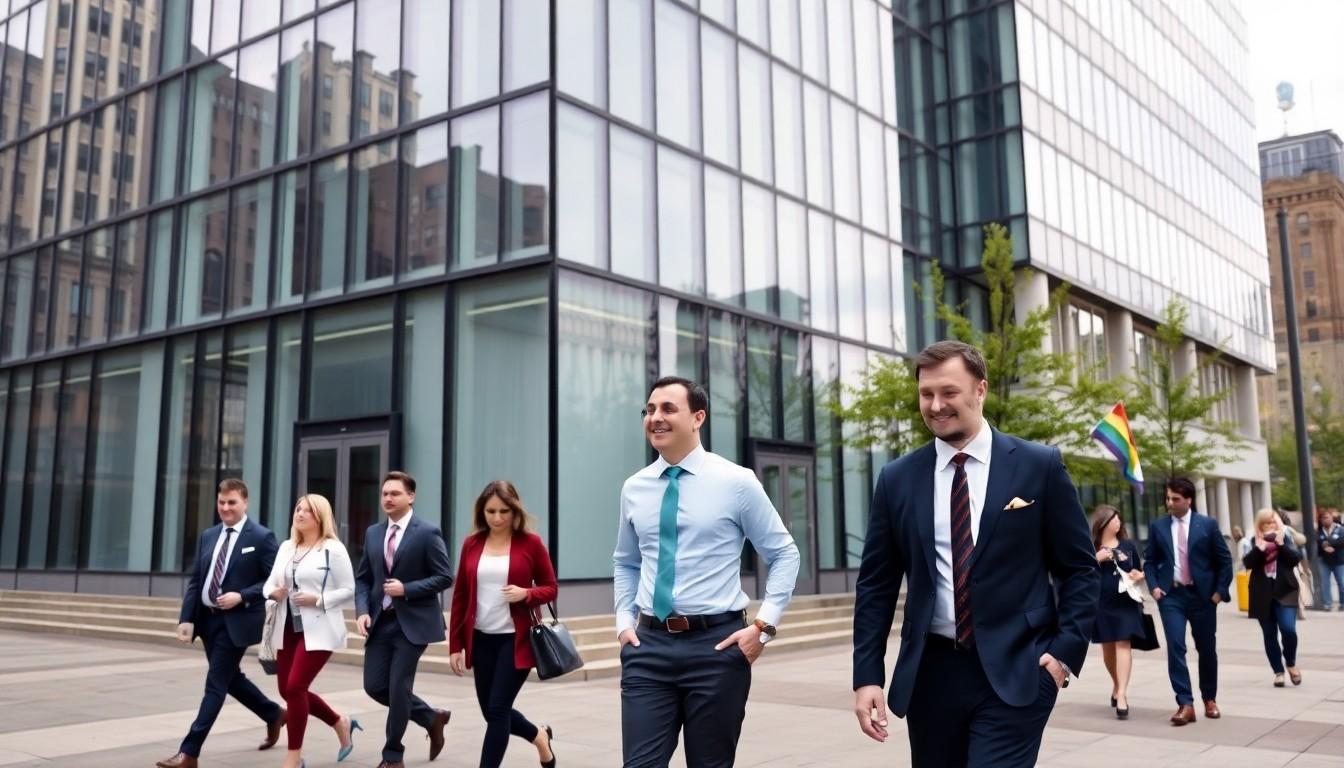
Shoppers, voters and activists keep pushing , and Pennsylvania’s long road to full LGBTQ nondiscrimination protections shows why it matters. A recent House vote and a string of local advances mean progress is trending, but gaps in law and everyday life keep the fight very much alive for residents across the state.
Essential Takeaways
- House momentum: The Pennsylvania House recently passed a bill to enshrine LGBTQ nondiscrimination protections in state law, marking a major legislative step forward.
- Local patchwork remains: Municipal protections already cover many Pennsylvania residents, but statewide protections are still incomplete until final enactment.
- Know-your-rights: Federal and state-level guidance exists to help people and employers navigate discrimination questions, especially around employment and public accommodations.
- Workplace wins mean better policies: Recent local initiatives, like workplace menopause protections in Philadelphia, show employers can be proactive beyond legal minimums.
- Visibility in sports: Out athletes are increasing, but representation among active pro players remains limited; public awards and recognition boost visibility.
House passage gives a rare statewide push , what it actually does
The Pennsylvania House voted in favour of a bill that would add sexual orientation and gender identity to state nondiscrimination law, a move that surprised and pleased many observers because it narrows the long-standing patchwork of local protections. City & State Pennsylvania reported the floor vote as a meaningful legislative shift, and LGBTQ advocates have framed it as a crucial step toward equal treatment in jobs, housing and public spaces. For residents, that could mean fewer legal limbo moments and clearer recourse when discrimination occurs. Keep in mind: passing the House is one key waypoint , the bill must still clear the Senate and reach the governor’s desk before protections are universal.
Political reaction: predictable outrage and practical consequences
The bill’s progress drew predictable pushback from some GOP quarters, but the debate also forced a clearer public conversation about what nondiscrimination law actually does. LGBTQ Nation covered how supporters pushed back on opponents’ rhetoric, arguing that protections simply extend the same workplace and service standards to more people. Practically, a statewide law would reduce reliance on a mosaic of 82 municipal ordinances and make enforcement and employer compliance far less confusing for businesses and residents who move between communities.
What “know your rights” looks like day to day
Legal groups and advocacy organisations are already refreshing guidance to help people understand their rights under any new state law and under existing federal precedents. The ACLU’s resources on TLGBQIA nondiscrimination explain the nuts and bolts: how employment, housing, education and public accommodation protections operate, and what evidence or complaints processes typically look like. For someone facing discrimination, that means a clearer first step , document, contact an advocacy group, and seek counsel , rather than muddling through conflicting local rules.
Employers can lead: lessons from Philadelphia workplaces
City-level advances don’t just shield residents; they spur better workplace practices. Philadelphia has been rolling out forward-looking policies, including efforts to expand workplace protections around health issues like menopause, which shows employers can and do adopt humane, inclusive policies even before the law catches up. HR professionals and small-business owners should view statewide protections as an opportunity: update nondiscrimination statements, train managers, and make adjustments to benefits and leave policies now to avoid scrambling if and when the law changes.
Sports and visibility: progress with room to grow
Visibility in athletics has moved from silence to slow acknowledgement. High-profile awards and more out athletes at big events are signs that culture is shifting, yet active pro players who are openly LGBTQ remain relatively rare. Outsports and other sports coverage note the gains in recognition and the continued gap in everyday professional rosters. For fans and leagues alike, that means continuing to celebrate pioneers while pushing for environments where coming out doesn’t require a career trade-off.
It's a small but steady change: law, workplace policy and culture are nudging closer to equality, but the work continues.
Source Reference Map
Story idea inspired by: [1]
Sources by paragraph: