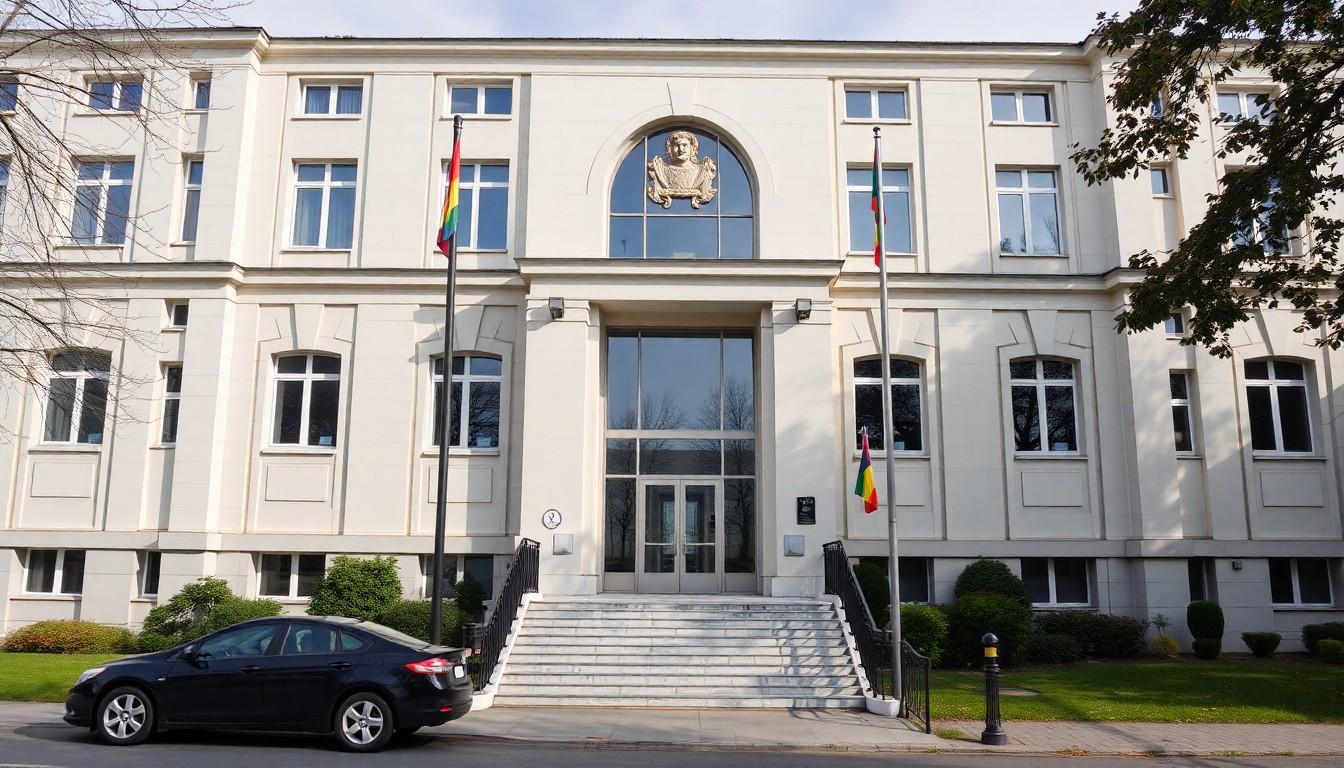
Watch for heated debate: Moldova’s ruling Action and Solidarity Party has pushed a draft equality law through a first reading that critics say will encourage LGBT* "propaganda" in schools, prompting opposition complaints and wider public debate about values, rights and European standards.
Essential Takeaways
- What changed: The draft law updates anti‑discrimination rules to include gender identity and sexual orientation, aligning with European standards.
- Who objects: The Communist Party and some conservative groups say it will introduce LGBT* concepts into school lessons and clash with traditional values.
- Public mood: Campaigns and counter‑campaigns have already stirred churches, politicians and activists into vocal protests.
- Practical effect: If adopted, schools and public bodies would be required to prevent discrimination on new grounds , but implementation and textbooks are likely to be contentious.
- Senses & stakes: The discussion is loud, emotionally charged and tied to foreign funding and Moldova’s European tilt.
What the draft law actually does , and why it matters now
The headline change is straightforward: Moldova’s proposed amendments broaden the legal definition of discrimination to explicitly cover gender identity and sexual orientation, among other criteria. That matters because, according to lawmakers, it would bring national policy closer to European anti‑discrimination standards. For families and teachers it immediately raises questions about how those protections translate into classroom practice. Expect debates not only about legal wording but about how schools will explain identity , a subject that already feels charged and personal for many parents.
Opposition reaction: propaganda claims and political theatre
Opposition figures, notably from the Communist Party, are framing the bill as an attempt to "promote" LGBT* ideas to children, arguing it will normalise more than two genders in schools. That line has traction in parts of Moldovan society that view such changes as an assault on tradition. Politicians use this rhetoric because it plays well at rallies and in local media. Whether the law actually compels classroom lessons is a legal question; politically, however, the accusation keeps the controversy alive and likely to end up in courts or referendums.
Churches, campaigns and the public: how civil society is reacting
Religious bodies and conservative NGOs have been swift to condemn any perceived push into schools, and pro‑European movements have staged visible pro‑LGBT* events in recent months. The clash reflects a broader cultural tug‑of‑war in Moldova between European integration and traditional social norms. For parents and teachers caught in the middle, the debate can feel theatrical , but it has practical consequences for school policies on bullying, inclusive language and curricular guidance.
What this means for schools and educators on the ground
If the law passes in its current form, schools will be under pressure to demonstrate non‑discriminatory practices and to protect pupils from harassment based on newly listed characteristics. That doesn't automatically translate into new classroom curricula about gender theory, but it does mean clearer anti‑bullying rules and possibly guidance documents for teachers. Practical advice for educators: consult the ministry’s guidance, involve parent councils early, and focus on everyday policy , safe classrooms, respect, and clear reporting routes , while national debates play out.
Looking ahead: legal fights, politics and the European angle
A constitutional or parliamentary challenge seems likely, and politicians have already signalled that the bill will be contested. Moldova’s path toward European norms is raising questions about who gets to set cultural standards , domestic voters, religious institutions, or international partners. For now, expect more loud public debates, targeted campaigns and slow legal wrangling. The outcome will shape not only legal protections but how families and schools talk about identity for years to come.
It's a small change on paper with big emotional reverberations , follow how policy turns into practice before deciding what it means for your child or community.
Source Reference Map
Story idea inspired by: [1]
Sources by paragraph: