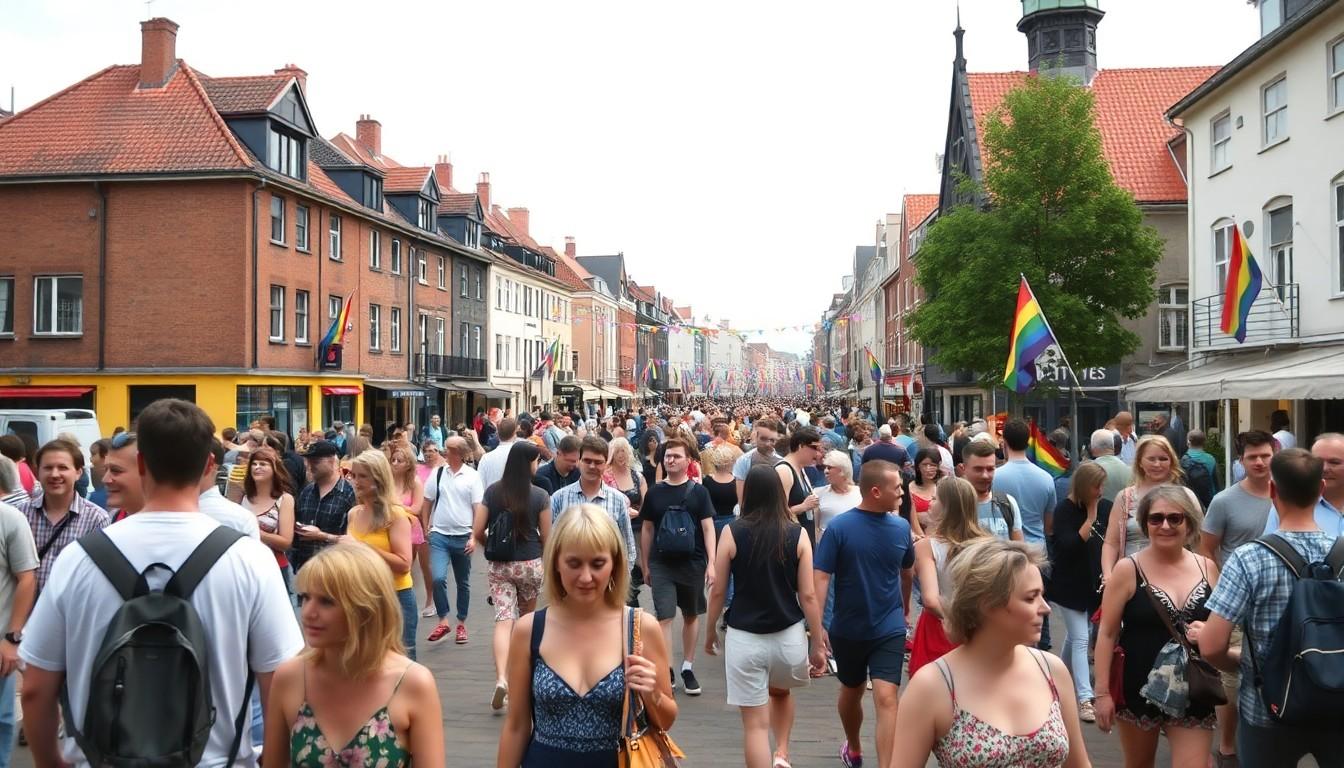
Spotting a worrying trend: a minor has been arrested after an attendee at Zandvoort’s Pride on the Beach was assaulted on the Grote Krocht, and the incident comes as Amsterdam sees a surge in discrimination reports during WorldPride, why it matters and what organisers and visitors can do.
Essential Takeaways
- Arrest made: A minor was detained after an attendee at Zandvoort Pride on the Beach was verbally abused and physically assaulted; the victim did not need hospital care.
- Possible motive: Police suspect the attack was motivated by the victim’s sexual orientation, and camera footage helped identify the suspect.
- Larger pattern: Around 70 reports of discrimination were logged at the start of WorldPride in Amsterdam, many linked to the Pride Walk and post-festival journeys.
- Organisers acting: Amsterdam and Pride organisers have safety rules and guidance in place, and reporting channels like Report It Always are being used more than usual.
- Practical vibe: Staying in groups, knowing reporting channels, and following event safety guidance can reduce risk and speed up responses.
What happened in Zandvoort, and why it feels personal
Police arrested a minor after an assault on the Grote Krocht during Zandvoort’s Pride on the Beach, an otherwise upbeat seaside festival. The victim was abused and then hit, but didn’t need hospital treatment, which is a relief , even so, the emotional toll can linger. NH Nieuws tells us investigators believe the attack was motivated by sexual orientation, and camera footage was crucial in identifying the suspect.
Incidents like this hit home because Pride events are meant to be safe, visible celebrations. When even a small coastal festival sees violence, it’s a reminder that visibility doesn’t always equate to safety. For attendees, the immediate practical takeaway is to stay alert and use the reporting routes available on site.
How the Zandvoort case ties into a wider WorldPride picture
This episode didn’t happen in a vacuum. At the start of WorldPride in Amsterdam, Report It Always recorded roughly 70 discrimination reports over a busy weekend. Many came during the Pride Walk and while people were heading home from the Milkshake festival, suggesting late-night routes and large crowds can be flashpoints.
When discrimination spikes like this, organisers and local authorities often step up patrols and protective measures. It’s also a reminder for visitors to plan routes home and stick together when possible , simple moves that can make a big difference.
What organisers are doing , and what the rules say
Amsterdam’s WorldPride infrastructure includes clear safety notices and house rules for events, and the city has been publicising reporting procedures. According to the city’s WorldPride pages, there’s an emphasis on preventing and responding to discrimination, from marshals on the route to official complaint channels.
That said, rules are only as good as enforcement. Camera footage helped in Zandvoort, and that kind of evidence can be decisive. If you’re attending large events, make a mental note of where staff and first-aid points are, and keep a phone charged for quick reporting.
How to stay safer at Pride events , practical tips
Stick with friends, especially after dark, and agree a meet-up place in case someone gets separated. Know the nearest official help points and carry a small power bank so your phone doesn’t die. If you witness or suffer abuse, report it straight away to event staff or local police and consider using established reporting platforms like Report It Always so incidents are tracked and responded to.
Photographs or short videos can help identify perpetrators, but never put yourself at risk to film. And if you feel shaken afterwards, reach out to on-site support teams or local LGBTQ+ organisations , emotional support matters.
Where this leaves us , looking ahead
The Zandvoort arrest shows police can act quickly when evidence is available, yet the surge in reports during WorldPride underlines a persistent problem. Organisers, city authorities and visitors all share the job of keeping Pride safe: better visibility of reporting channels, clear enforcement of rules, and practical precautions from attendees.
It’s a small change in behaviour that can help keep celebrations free from fear , and make sure Pride stays a time to be seen, not threatened.
Source Reference Map
Story idea inspired by: [1]
Sources by paragraph: