Shocked but steady: activists, survivors and allies across Berlin are organising support after the CSD terror attack, offering hotlines, gatherings and practical help so those affected aren’t left alone , and reminding everyone why pride remains political and necessary.
Essential Takeaways
- Immediate support: A Berlin hotline now offers free, confidential counselling and trauma referrals for those affected by the CSD attack; emergency numbers remain 112 and 116 117.
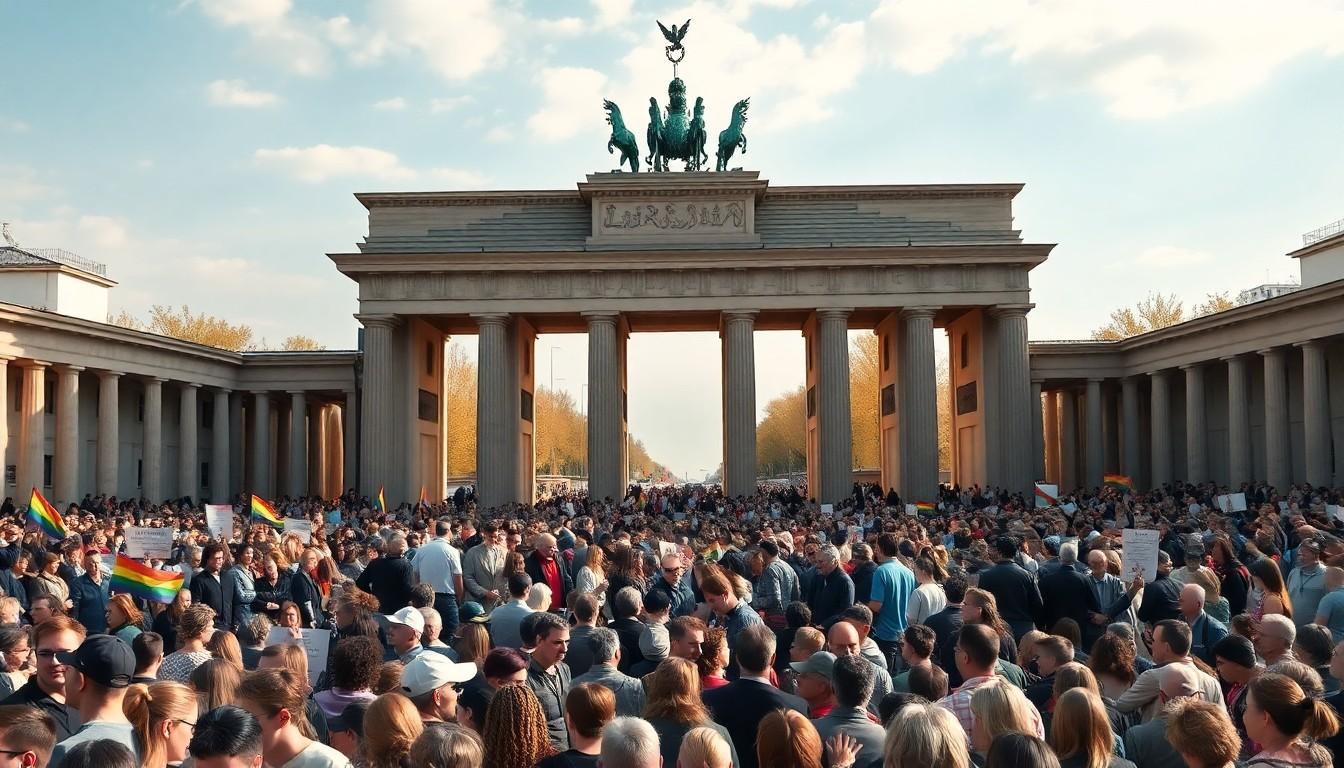
- Community response: Local groups and volunteers rapidly organised vigils and a solidarity event at the Brandenburger Tor that drew thousands and returned the site to public use.
- Shared trauma: Ukrainian LGBTQ+ refugees and long-time Berliners report reawakened fears; many emphasise mutual check-ins as the first question after bad news.
- Public institutions reacting: State agencies, cultural bodies and sports clubs have publicly condemned the attack and signalled support for victims.
- Practical help: Organisers stress collective action , from attending demos to calling out queerphobic speech , goes beyond social-media sympathy.
How the city set up help within hours
The practical machinery kicked in fast: Berlin’s health authorities established a telephone counselling hotline to guide those affected toward psychotherapeutic aftercare and social compensation options, and made it clear emergency medical help remains available via the usual numbers. According to reporting in national outlets, the hotline offers confidential, free advice on trauma clinics and next steps. For anyone still reeling, that kind of clear route to care can feel like a lifeline rather than an empty statement.
Local NGOs and community groups already experienced in crisis response have been liaising with official services to make sure people actually reach those helps. If you’re organising on behalf of friends, give callers the hotline number and the emergency contacts, and encourage early help even when symptoms seem mild , early counselling can prevent long-term trauma.
What survivors and witnesses are saying
Many people felt shock that slid quickly into a familiar dread. Ukrainian activists in Berlin compared the panic and vigilance to what they know from the war; others recalled decades of facing bottles or stones at earlier parades. Still, they also described the parade’s joy , the music, the flags, the crowd , and how that joy made the later violence feel even more brutal.
Those on the ground say the first question they asked each other after terrible news was practical and human: “Are you okay?” That small check-in has become a habit among those with trauma histories, and it’s a good rule for everyone: reach out, ask how someone is, and follow up. Simple verification and human presence are often the first step toward recovery.
Community shows up: vigils, flowers and collective grieving
Within a day, volunteers and choirs had organised a gathering near the attack site to reclaim the space and grieve together. Thousands turned up to lay flowers, sing and hold banners , a raw, tender scene that many described as therapeutic. Organisers told local press the event evolved quickly because so many offered hands, speakers and microphones without being asked twice.
This kind of spontaneous solidarity does more than provide comfort; it rewrites a narrative of fear into one of mutual care. If you want to help, small acts matter: join a vigil, bring water and snacks for volunteers, or offer to look after someone who can’t face the crowds yet.
Institutions respond , rhetoric and reality
From state ministries to sports clubs and cultural institutions, public statements condemning the attack have been swift. Coverage notes that while statements are important, many in the community are asking for “real” solidarity , not just posts and hashtags, but concrete support: attendance at protests, workplace protections, and the policing of queerphobic language.
That demand for tangible action is worth listening to. If you represent an organisation, ask how you can back measures that keep queer people safer: fund support services, train staff in trauma-informed response, and amplify survivor voices rather than speaking for them.
What this means for future Pride events
The attack has cast a long shadow over Pride’s calendar, but it has also sharpened resolve: many participants promise to keep marching, to make visibility a resistance. At the same time, organisers are reviewing safety plans, boosting volunteer stewards, and communicating more clearly about emergency procedures so people can enjoy Pride with a sense of security.
If you’re going to future Pride events, plan ahead: agree a meeting spot with friends, charge your phone, note the nearest medical tent and if you see something suspicious report it. Solidarity is both public and practical.
It’s small actions and big structures together that will determine whether grief turns into resilience , and whether Pride keeps being both a party and a protest.
Source Reference Map
Story idea inspired by: [1]
Sources by paragraph: