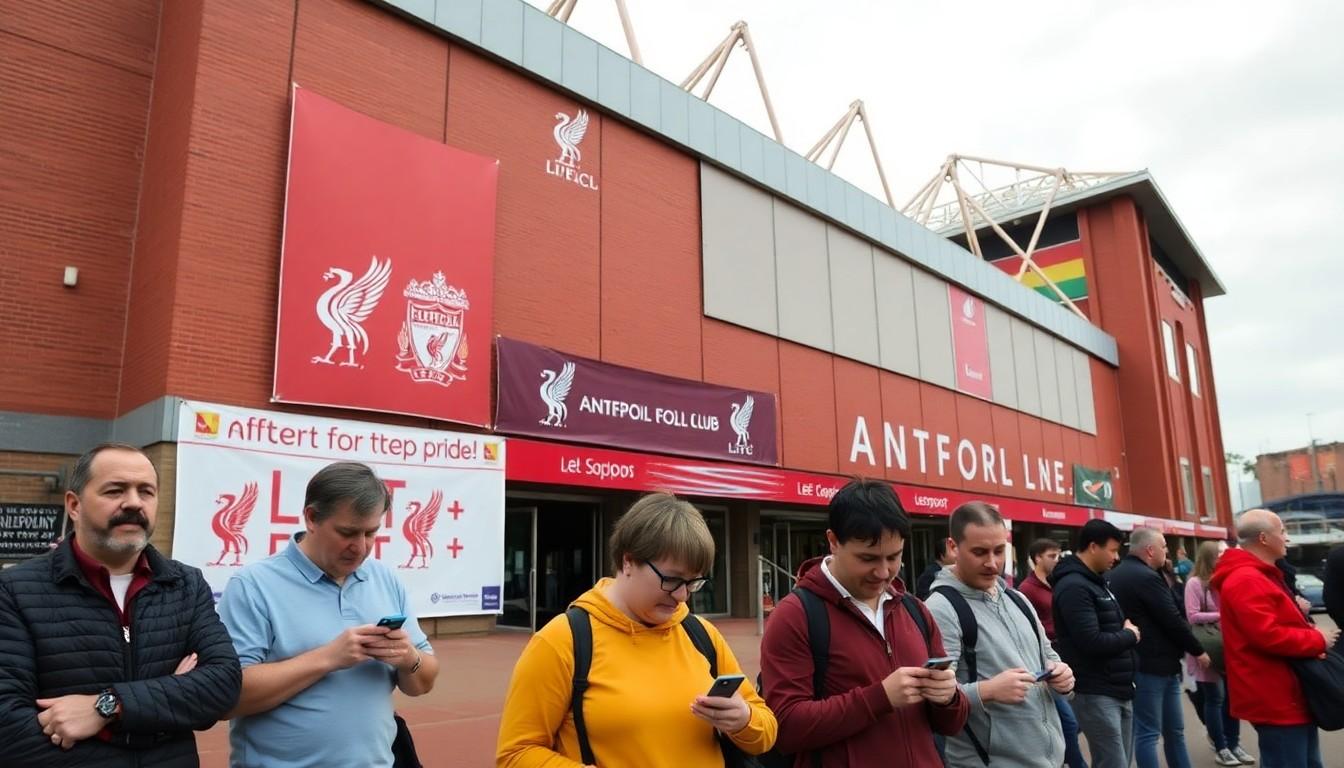
Watch Liverpool’s colourful Pride move: supporters reacted strongly after the club joined Pride Liverpool and updated its social channels, sparking praise for inclusion and a wave of angry unfollows from some fans , here’s what happened, why it matters and how clubs balance sport with social stands.
Essential Takeaways
- Public action: Liverpool FC marched in Pride Liverpool and updated its Instagram profile with a Progress Pride background, signalling visible support.
- Mixed reaction: The club’s posts drew both applause and a slew of negative comments, with some followers saying they unfollowed in protest.
- Legacy: Liverpool has taken part in Pride events for years; this year marks a continuation of a long-standing inclusion commitment.
- Club rationale: Liverpool describes its involvement as part of a broader equality and diversity programme, not a sudden policy change.
- Practical note: Fans wanting to discuss the issue constructively should look for official club channels and supporter groups for dialogue.
Pride on the pitch: what Liverpool did and how people saw it
Liverpool’s decision to march in Pride Liverpool and swap its Instagram avatar for the Progress Pride flag wasn’t subtle, and that’s the point. The change was visual and immediate, leaving no doubt the club wanted to be seen standing with LGBT+ communities. Social media filled up fast, and not just with claps , plenty of fans posted bemused or angry messages, some declaring they’d unfollowed the club’s account. According to Liverpool’s own communications, the move was about celebrating inclusion and diversity across the club and city.
This isn’t brand-new: context and club history
It helps to remember Liverpool isn’t inventing this stance. The club says it first joined Pride more than a decade ago and has continued to support the initiative as part of an ongoing programme. That history matters because it frames the latest march as continuity rather than a sudden pivot. Supporters who’ve been paying attention will know the club has worked on inclusion campaigns, community outreach and partnerships tied to equality for several years.
Why some fans reacted strongly , and what that reveals
Fans’ anger revealed how symbolic gestures in sport can feel deeply personal. For some, football identity is narrowly defined and any public political or social signal seems a departure. For others, the club’s visible inclusion is a welcome reflection of the city’s diversity and the modern fanbase. Social platforms amplify immediate reactions: a handful of negative comments and unfollows can look substantial even if they don’t represent every season ticket holder or local supporter group.
How clubs balance sport, values and business
Premier clubs increasingly take public positions on social issues, and Liverpool’s sponsorship of Pride events shows how those positions intersect with partnerships and community work. From a governance angle, the club says this is part of long-term community impact, not a marketing stunt. Industry observers note that while some fans disconnect over values, others reward visible inclusion with loyalty, ticket purchases and merchandise , so these choices have reputational and commercial consequences.
What fans can do if they’re upset or curious
If you’re a fan worried by a club stance, there are better routes than pitchforks in comment threads. Start by reading the club’s official statement and community pages, then reach out to your local supporters’ club or an official fan forum to ask questions. Clubs often run Q&A events, mailing lists and supporter panels where you can raise concerns directly. And if you want to back a cause, look for local LGBT+ charities and community groups , many welcome football fans who want to help in practical ways.
It's a small change that makes a loud statement about who clubs include in their community.
Source Reference Map
Story idea inspired by: [1]
Sources by paragraph: