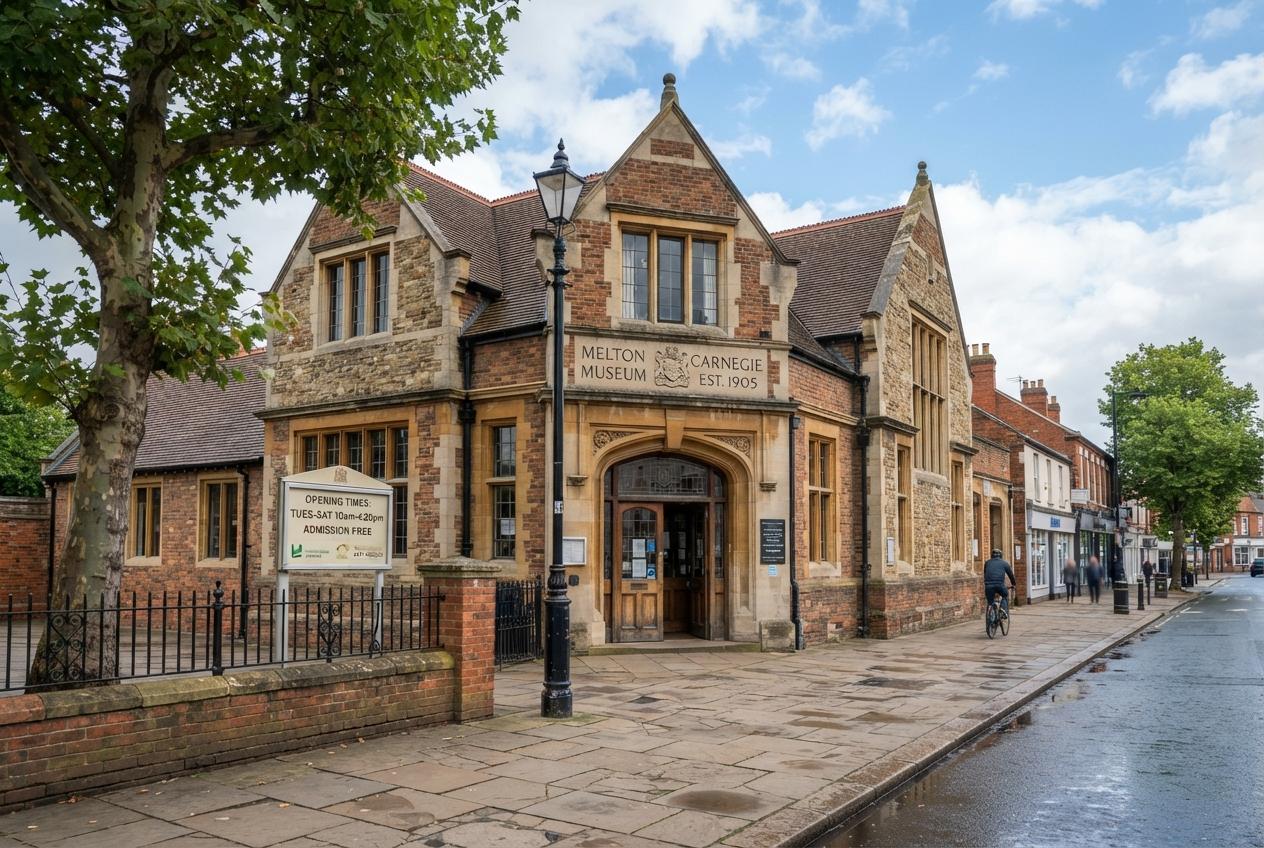
Spotlight averted: a new taxpayer‑backed UK exhibit is reinterpreting Care Bears and mermaids as LGBTQ+ symbols, sparking debate about childhood, public funding and how museums present culture , and why parents and curators should pay attention.
Essential Takeaways
- What happened: A Culture Leicestershire exhibition at Melton Carnegie Museum framed some Care Bears and mermaids as LGBT icons, drawing national attention.
- Funding note: The display received public support, prompting questions about taxpayer money and cultural programming.
- Tone of exhibit: The show emphasised inclusivity and "trans narratives" while reinterpreting toys and myths through gendered lenses.
- Public reaction: The reinterpretation provoked debate about childhood, education and whether museums should repurpose nostalgic icons.
- Practical point: If you’re a parent or museumgoer, check exhibitor notes and content warnings before visiting.
What the exhibit actually claims , and why it landed in the headlines
Telegraph reporting made clear the show argues that characters like Funshine and even mermaids can be read as emblematic of LGBT experience. The headline angle is striking in part because Care Bears are a nostalgic, tactile childhood memory , plush, bright and comfortingly simple. That contrast is why the reinterpretation feels jarring for many people. According to the coverage, curators framed the display as recovering "trans narratives erased by colonialism," which is a contemporary museological move to reframe familiar objects through marginalised perspectives. For parents, the immediate takeaway is simple: this isn’t a toy advert, it’s a cultural argument presented inside a civic space.
Taxpayer funding and public accountability , the money question
Multiple reports make a point of noting public backing for the project, which has driven much of the controversy. When council money or grant funding supports reinterpretative displays, taxpayers reasonably ask about aims and audiences. Museums increasingly rely on public funds and grants from arts bodies, and those bodies now demand inclusive programming. That shift explains why you’re seeing more exhibitions that explicitly link pop culture to social topics. If you’re uneasy about specific projects, local council meetings and museum boards are where programming priorities get decided.
Why museums reinterpret everyday objects , and when it works
Museums have been reframing household and popular-culture items for years to tell wider historical or social stories. The logic here follows that pattern: ordinary toys become a way to discuss identity, representation and social change. Done well, that can be illuminating , toys can shed light on manufacturing, gendered marketing, or how society’s values evolve. Done clumsily, it looks like proselytising. The debate over this exhibit highlights the balance museums must strike between education and entertainment, and between historical context and present‑day advocacy.
What parents and carers should know before a visit
If you plan to take kids to local museums, it’s worth a quick check: read the exhibitor’s brief, look for content notes, and ask staff about the target age group. Museums will often have family guides or school resources if the material is meant for younger audiences. If you want to introduce complex social topics at home, use visits as a springboard for open conversation rather than a lecture: ask what your child notices, how a character makes them feel, and share your own perspective. And if you’re concerned about public funding, contact your local councillor , civic programming is part of local democracy.
The broader debate , culture wars, nostalgia and how we teach kids
This episode sits inside a larger cultural argument about how quickly social movements enter mainstream spaces, and which voices decide public narratives. For some, reimagining Care Bears is a gentle step toward inclusion. For others, it’s an unwelcome reframing of childhood. Either way, the discussion underlines that cultural meaning isn’t fixed: toys, myths and museums are constantly reinterpreted. Expect more rows like this as institutions try to be both relevant and responsible. The sensible middle path is transparency about aims and sensible labelling so visitors can decide what’s right for their families.
It's a small cultural skirmish with a big question: who gets to tell the stories behind our childhood icons?
Source Reference Map
Story idea inspired by: [1]
Sources by paragraph: