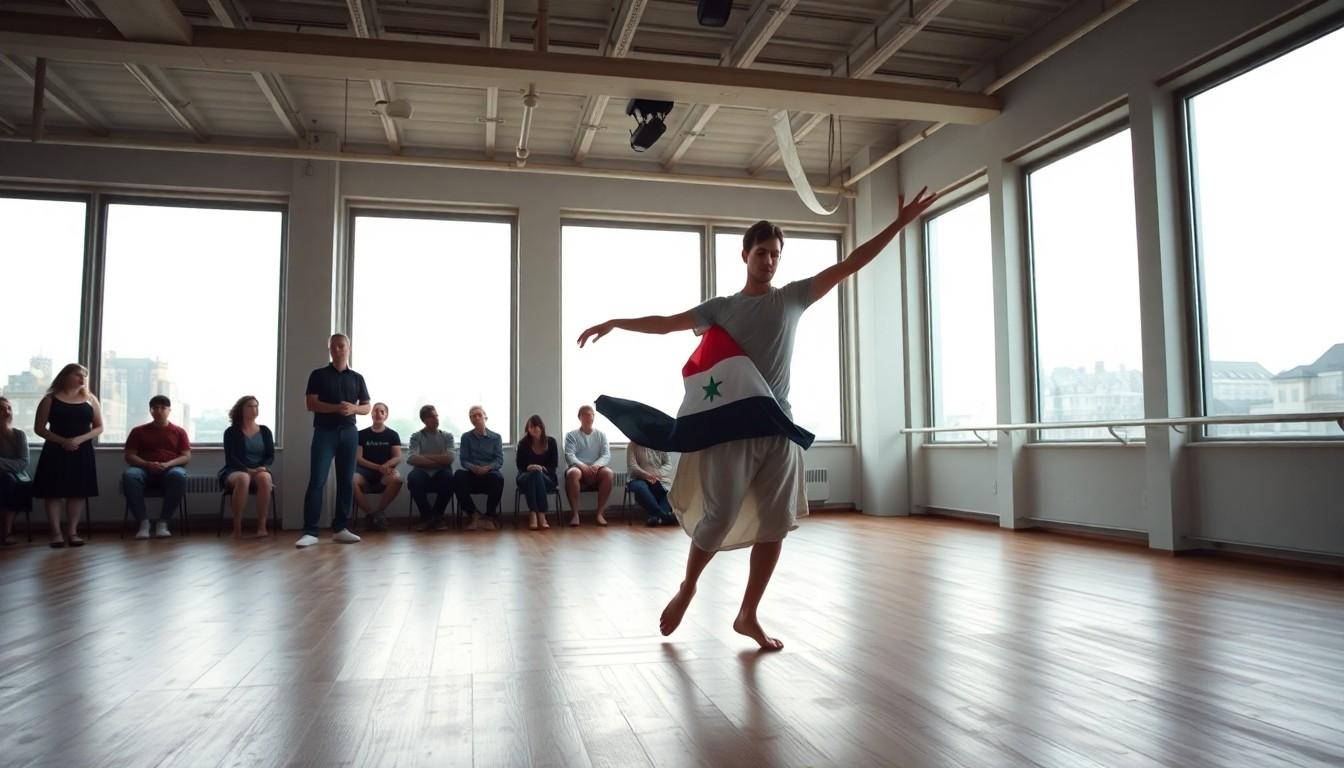
Moving to the front of a crowd, a Syrian belly dancer led a tribute at Berlin Pride after a deadly attack , a vivid, human response that mattered to marchers, survivors and the city. This piece explains who, what and why the moment resonated, and why public rituals still help communities heal.
Essential Takeaways
- Who: A Syrian-born belly dancer, known locally for performing at queer events, took centre stage to lead a remembrance at Berlin Pride , a peaceful, graceful focal point for grief.
- What happened: The tribute followed a violent stabbing at a separate Pride-related gathering that left people dead and injured, prompting nationwide shock and tightened security.
- Emotional tone: The dancer’s performance mixed sorrow and defiance, offering comfort through movement and a quiet, resilient joy.
- Practical impact: Authorities increased policing and made arrests; organisers have signalled changes to event safety and community support services.
- Why it matters: Rituals like this help communities reclaim space and assert that remembrance and celebration can coexist.
A dancer’s steps became the city’s balm
The image of a lone performer walking ahead of a crowd, arms fluid and eyes steady, gave Berlin a pause that felt like both exhale and intake. According to AP coverage, the dancer is part of Berlin’s queer performance scene and was invited to lead a human tribute after the fatal attack that shocked the city. The visual was simple , the swish of fabric, the quiet concentration on someone’s face , but it read as solidarity on a very human scale.
Events unfolded swiftly. Police and emergency services responded to the stabbing at a separate Pride event, and the city moved to contain fear. Reuters and AP reported that officers later fatally shot a suspect after a pursuit; investigators say they were treating the initial scene as an attack. The dance offered a softer, more human counterpoint to sirens and statements.
How public grief became public resistance
This was more than an artistic vignette. For many marchers it was a deliberate act of reclaiming joy and space. Organisers and witnesses told AP they wanted to honour victims while insisting Pride would continue. That balance , mourning mixed with defiance , is a familiar pattern in communities confronting violence: you grieve, then you show up anyway.
Security has changed. Reports show police presence ramped up at subsequent events and authorities reviewed crowd-protection measures. For attendees, that visible security was both reassuring and a reminder of the new stakes for public celebrations.
Why a belly dancer? Cultural resonance and visibility
Choosing a belly dancer from Syria mattered on multiple levels. For queer refugees and migrants, performers from similar backgrounds symbolise layered identities , survivor, exile, artist. Coverage in SFGate and Naharnet highlighted that the dancer is a beloved local figure who performs at LGBTQ gatherings, making the gesture intimate, not staged.
Culturally, belly dance carries warmth and familiarity; it’s a language of bodies rather than words. In tense moments, that language can disarm and connect. If you’re organising or attending public remembrances, think about low-key, human-centred acts that invite participation rather than spectacle.
The wider picture: violence, policing and community response
Berlin’s episode fits into a larger narrative of protests, hate crimes and the need for protective measures at public events. AP reporting noted arrests and an investigation into motive, while The Week and other outlets tracked the police action against the suspect. Officials face the dual task of keeping people safe and preserving civil freedoms , no easy balance after an attack at a festival.
Communities also mobilised practical support: hotlines, legal aid, psychosocial services and spaces for collective grieving. If you’re in an affected community, check local LGBTQ centres for verified resources rather than relying on social media; organisers tend to compile trustworthy lists quickly.
What this means for Pride and public ritual going forward
Rituals, dances, vigils, moments of silence, are how societies process trauma and reassert values. The dancer’s role in Berlin shows that a single human performance can shape the tone of an entire day, turning fear into a shared, actionable feeling. Organisers across Europe will likely borrow the lesson: blend commemoration with clear safety plans and accessible support on the ground.
And for individuals who want to help, small things matter: attend vigils, donate to survivor funds, check in on friends, and support grassroots groups doing the work of healing.
It's a small, powerful reminder that culture can comfort when politics and policing alone can’t.
Source Reference Map
Story idea inspired by: [1]
Sources by paragraph: