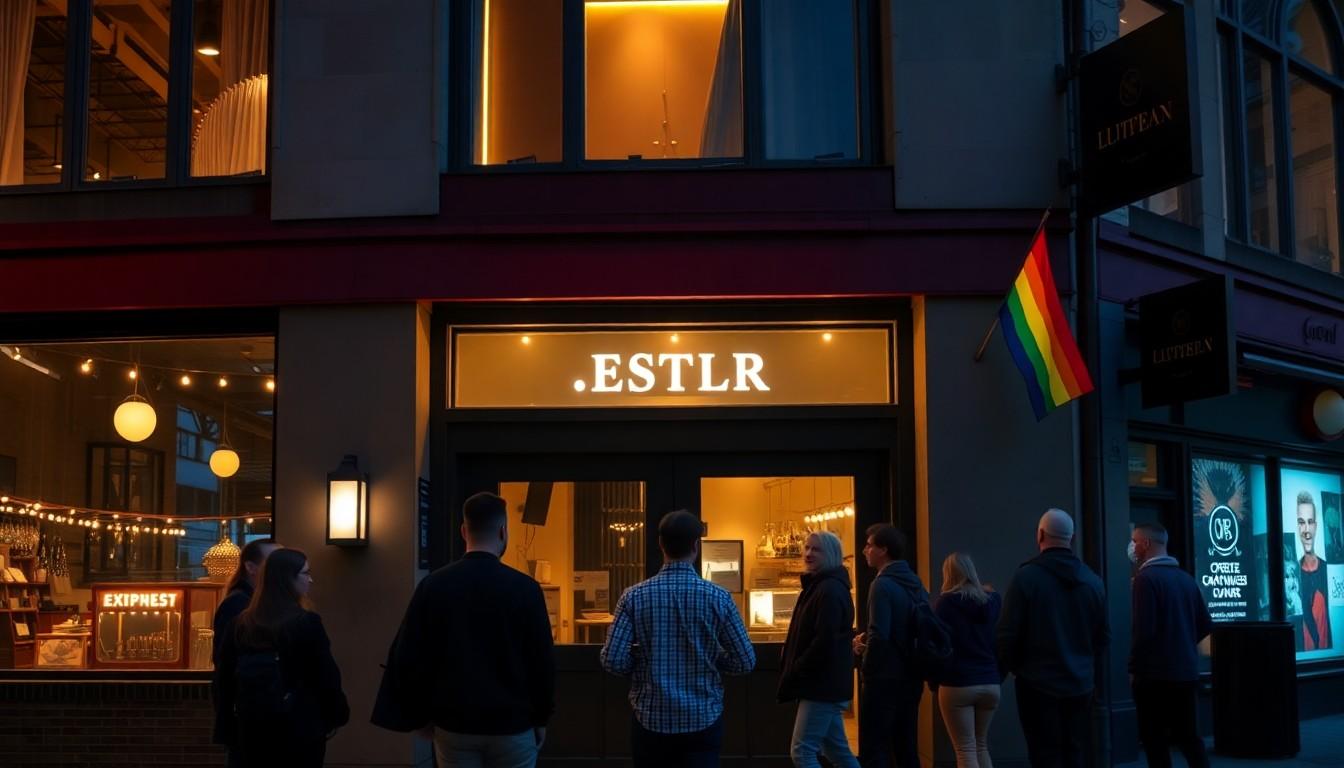
Noticing a new trend, queer venues and promoters are increasingly using AI-generated imagery for event flyers , and community members in cities from Detroit to Puerto Vallarta are beginning to push back. This matters because artwork signals care, represents identity, and either lifts local creatives or undercuts them.
Essential Takeaways
- Widespread use: Gay clubs, bathhouses and promoters have posted AI-made visuals for events, sometimes flagged by detection tools as almost entirely synthetic.
- Detection limits: Tools and human spotting both struggle to reliably identify AI images; odd artefacts are no longer consistent giveaways.
- Representation gaps: AI often defaults to narrow portraits of queer people , for instance, white leathermen , missing the community’s diversity and nuance.
- Creative cost: Promoters who use AI skip paying local queer artists, which can erode community trust and livelihoods.
- Art vs. convenience: Commissioned artwork is seen as a signal of care about the event’s vibe, sound quality and community investment.
Why promoters are turning to AI visuals now
AI art is fast, cheap and endlessly remixable, and that appeals to busy promoters juggling tickets, DJs and logistics. Sight Engine and similar services flagged several promos as heavily AI-generated, which shows how common the practice has become. But the speed comes with a flat, uncanny feel: images can look slick from a distance yet fall apart on close inspection, with odd anatomy or generic tropes that don’t sit right with local audiences.
Promoters say it’s a budget and time issue. Commissioning bespoke flyers costs more and takes days or weeks; an AI prompt can produce dozens of options in minutes. Still, a growing number of organisers admit that the extra time spent on commissioned art signals investment , it’s the visual equivalent of a decent sound system, and attendees notice.
Detection isn’t a magic fix , humans and tools both stumble
It’s tempting to think we can simply run every flyer through a detector and call it a day, but experts warn that detection tools aren’t bulletproof. Popular Science and the Global Investigative Journalism Network have both pointed out limits: obvious glitches like extra fingers used to be telltales, but models have improved and human detection accuracy is falling.
That means context and curation are key. A quick gut-check , who made this, and does it fit the event’s history? , plus basic forensic checks are more practical than relying on any single tool. For promoters, keeping a simple audit trail of commissions and assets also helps maintain transparency if questions arise.
What AI gets wrong about queer identity
AI models are trained on massive datasets that chunk people into tidy categories, and queer identities resist tidy boxes. Researchers note the systems often default to stereotyped images: leathermen, idealised poses, or token rainbow motifs that don’t reflect the scene’s real faces. One test that tried to generate a poster for a gay party produced predominantly white leathermen, and tweaks for diversity barely shifted the result.
This isn’t just aesthetic nitpicking. For many in the community, representation is political and personal: a flyer that feels stereotyped can tell attendees the night wasn’t made for them. That’s why some promoters and artists stress that authentic depiction matters as much as typography or colour palette.
Artists and DJs are pushing back , and for good reasons
Local creatives aren’t just offended, they’re losing gigs. Queer designers and illustrators have publicly criticised AI-reliant promotion, arguing that work once paid to community makers is being replaced by algorithmic shortcuts. Harry Cross, a queer DJ and promoter, says hand-drawn work based on real people signals the same care will go into the booking and production , and in his view, that matters for trust and turnout.
Some organisers are doubling down on commissions as a selling point: they’ll advertise “art by local queer creator” as part of the event’s appeal. It’s a small but effective way to show the audience that money and respect circulate back into the scene, rather than vanishing into a prompt.
Practical tips for promoters and punters
If you run events and want to use AI without alienating your crowd, be intentional. Use AI as a starting point rather than the finished product: commission a queer artist to refine or rework a generated image, or pay illustrators to create variations from a prompt you like. Clearly credit artists, disclose when assets are AI-assisted, and favour local creators when possible.
For attendees, look for signs that an event invests back into community , local artist credits, markets, and photos of past nights featuring real, diverse faces. If a flyer feels generic or stereotyped, that’s a valid reason to ask questions about who the night is for.
It's a small change that can make every flyer and every night feel more genuine.
Source Reference Map
Story idea inspired by: [1]
Sources by paragraph: