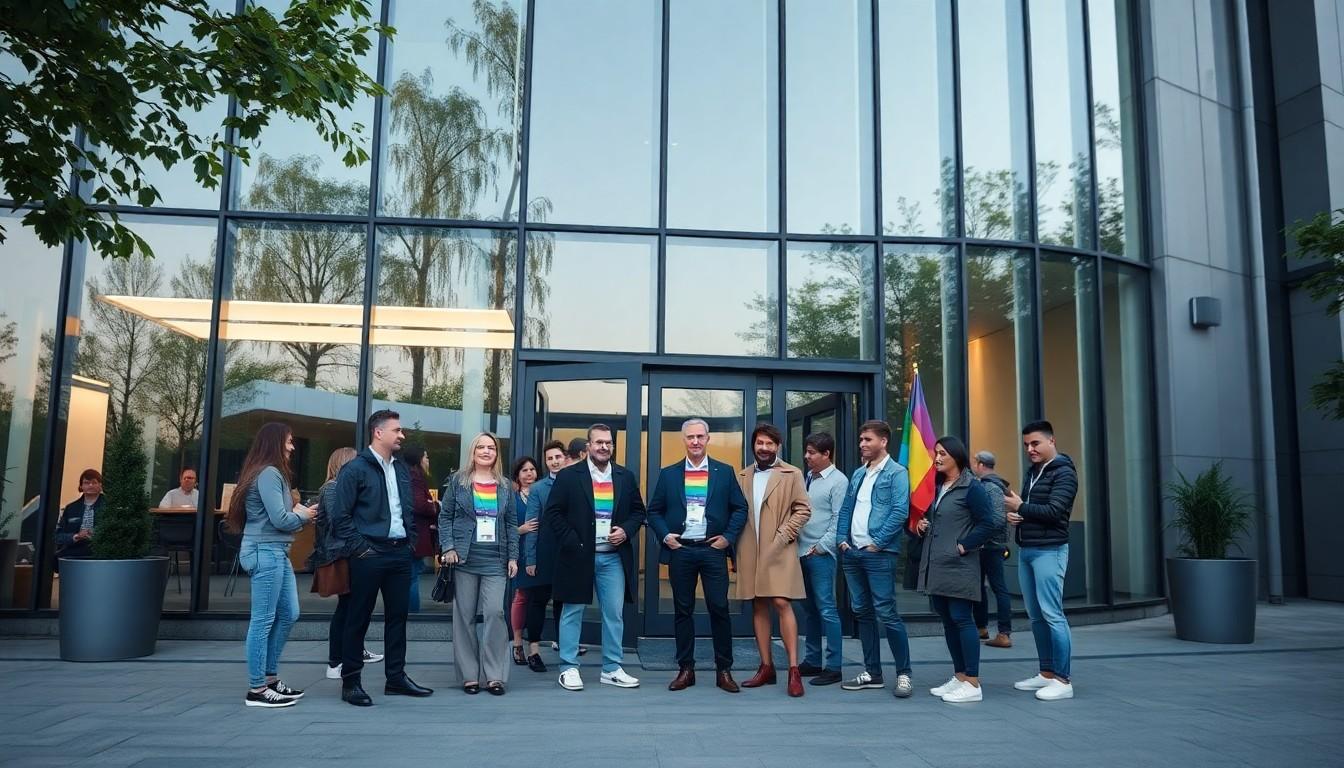
Shocked Berliners and queer communities are grieving after a targeted attack at the Christopher Street Day; politicians are already debating security and migration, but survivors and activists say visibility and funding, not just tougher laws, are what will actually keep queer life safe and thriving.
Essential Takeaways
- Attack overview: A suspected Islamist attacker rammed a car into a crowd at Tiergarten during CSD and then used a machete; one person died and dozens were hurt, some seriously, according to reports.
- Visibility vs risk: Greater openness at events like this year’s two-day CSD brings pride and political gain, but also a measurable rise in queerphobic assaults.
- Political spin: Right-wing and conservative figures quickly framed the incident as a security and migration issue; activists warn against scapegoating and simplistic law‑and‑order answers.
- Pattern of hostility: Berlin records hundreds of queerphobic incidents annually, with counselling services and NGOs documenting sustained threats and violence.
- What helps: Survivors, advocates and experts point to funding for queer spaces, victim support and prevention work as the clearest ways to strengthen safety and belonging.
A brutal, targeted strike on a festival of joy
The image of a celebration turned chaotic still feels raw: people dancing and marching one moment, then running for their lives the next, with the metallic tang of fear in the air. According to press accounts, the attacker drove into a group at Tiergarten during CSD and then continued with a bladed weapon, leaving a community in shock. This wasn’t a random crash; organisers and many commentators are treating it as an attack on queer life itself.
Context matters here. The CSD had been a deliberately amplified moment of visibility this year, stretching to two days to underline pride and political demand. That visibility, however, has another, bitter side: more presence in public often correlates with more attacks from people or networks that want queer people erased.
Why “more policing” isn’t the whole answer
Within hours of the attack, calls for tougher security and harsher sentences were circulating. CDU politicians and others framed the event as proof that stricter law enforcement is needed now. But survivors’ groups and queer organisations caution that law-and-order alone misses the point.
According to community advocates, criminal justice responses can feel performative if they’re not paired with prevention, community funding, and long-term support. Instead of only adding visible police at Pride, many argue resources ought to go into education, safe spaces and victim services that help people recover and reclaim public life.
The rising tide of queerphobic assaults in Berlin
Berlin isn’t immune to the wider European trend of increasing hostility against LGBTQI people. Local NGOs and counselling centres have recorded hundreds of attacks and incidents, everything from verbal abuse and threats to physical assaults. These figures paint a steady pattern rather than an isolated spike.
This sustained pressure is both personal and political: people report being targeted for holding hands, for their gender expression, or simply for being visible in parks and neighbourhoods. For many queer Berliners, the threat is not theoretical; it shapes how they move, who they bring to events, and whether they feel comfortable at home in their city.
Political theatre: who benefits from the aftermath?
Tragically, moments of crisis are ripe for political theatre. Right-wing voices use attacks to stoke xenophobia, equating violent actors with entire communities. At the same time, centrist and conservative leaders sometimes pivot to broad security agendas, youth penal law, more surveillance, without engaging with the structural roots of prejudice.
That plays badly for marginalised groups. Cuts to social programmes and austerity measures leave fewer resources for the very communities that need support. If queer communities are to be treated as part of “our society,” as some leaders now insist, then policy ought to follow with concrete funding for shelters, counselling and community spaces.
Practical steps that actually help queer safety
There are practical, evidence-backed moves that make a difference. Funded survivor services and outreach teams help people recover and reduce fear. Well-supported community centres give people places to meet without the pressure of being hyper-visible in hostile public settings. Inclusive education in schools reduces ignorance over time.
Event organisers can also adopt sensible measures: clear evacuation plans, trained stewards, and visible but community-friendly security that doesn’t intimidate attendees. And citizens can play a role too, calling out abuse, offering first aid, showing up to support survivors and donating to local NGOs.
It’s tempting to demand instant fixes after horror; real protection, though, comes from steady investment in people and places that let queer life flourish openly and safely.
It's a small change that can make every march, dance and hug a little safer.
Source Reference Map
Story idea inspired by: [1]
Sources by paragraph: