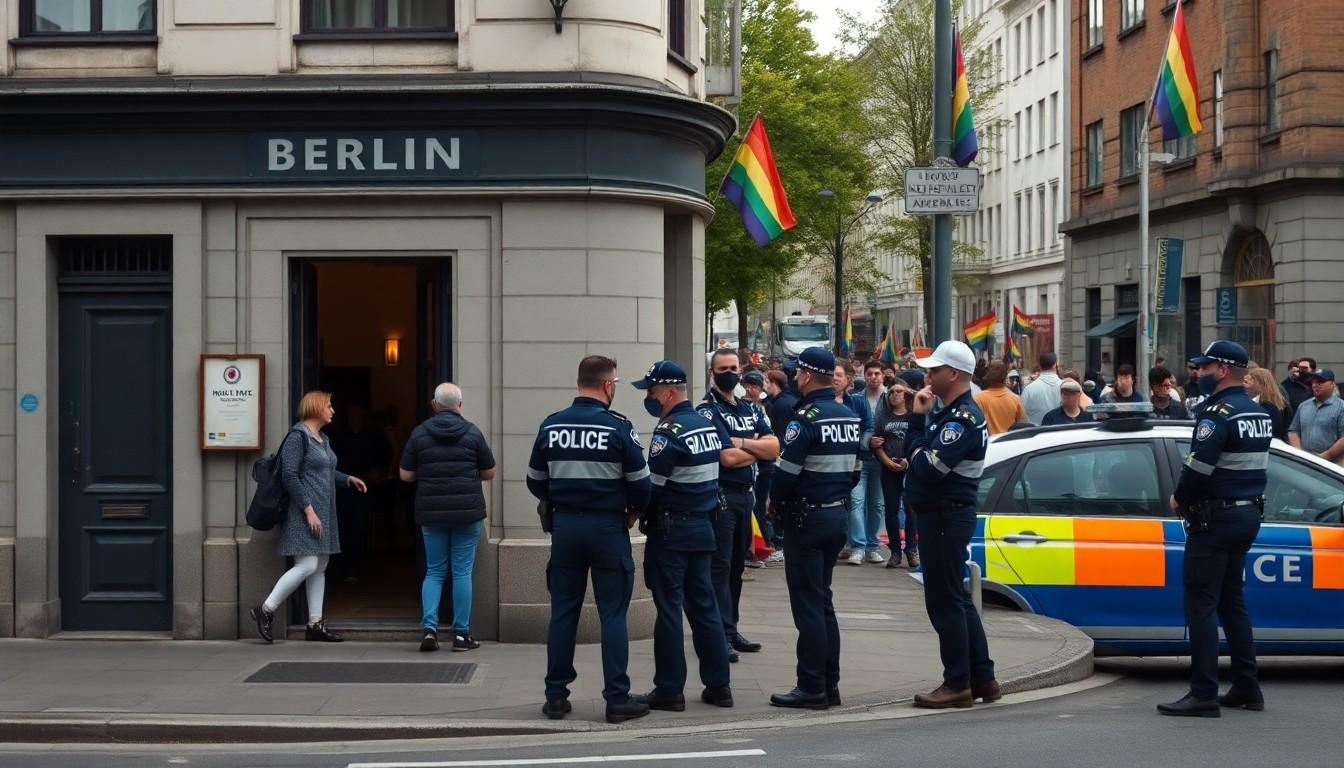
Shocked communities are reacting to the attack on Berlin Pride, and organisers across Europe are rethinking safety, solidarity and the future of public visibility; this matters because Pride parades symbolise both joy and a hard-won claim to public space.
Essential Takeaways
- Immediate impact: The Berlin Pride attack left participants traumatised and organisers scrambling to boost security at upcoming events.
- Rising hostility: Experts cite growing online hate and political shifts as factors increasing risk for LGBTQ+ people.
- Mixed views on trends: Some commentators see a worrying uptick in intolerance, others warn not to reduce the community to perpetual victims.
- Practical changes: Pride planners are tightening risk assessments, police presence is more visible and covert, and organisers urge vigilance without panic.
- Civic question: The incident has reopened debate about how Pride balances celebration with protest and protection.
A painful shock with familiar echoes
The images and eyewitness accounts from Berlin felt raw and immediate, and for many LGBTQ+ people the attack landed in the chest. According to reporting in multiple outlets, grief and anger rippled through the city as friends and strangers checked on one another. The obvious sensory memory , the sudden shiver of a crowd turning from celebration to fear , underlines why Pride matters beyond its glitter.
Experts and community leaders point out that this sort of violence doesn't appear from nowhere. They link it to a broader environment of growing hostility online and polarised political rhetoric, which can normalise dehumanising language and lower the threshold to violence. For readers, that means understanding the event as both an isolated crime and part of a wider pattern.
What's changing for Pride organisers
Organisers from Antwerp to other European cities are already revisiting plans. Risk assessments are being updated, routes and staging areas are under fresh scrutiny, and co‑ordination with police is tighter than in past years. Police say they'll be both visibly present and operating discreetly where needed, but for security reasons they won't publish detailed deployments.
For anyone thinking of attending Pride soon, the practical takeaway is straightforward: check organisers' communications, arrive with a small plan (meeting point, emergency contacts) and follow stewarding guidance. Most events are doubling down on safety while insisting that visibility and celebration remain central.
Why some see a worrying trend , and others urge balance
Researchers and advocates flag hard data showing increasing tolerance problems among younger cohorts in some surveys, and they point to online figures and certain political movements as amplifiers of anti‑LGBTQ+ sentiment. Observers also single out the influence of conservative and religious discourse that frames LGBTQ+ identities as illegitimate, making public hostility feel sanctioned.
Yet not everyone agrees that hostility is at a historic high; some writers caution against viewing the community only as victims. They argue many past incidents simply went unreported, and that the vast majority of people will condemn such violence. That debate matters because how the community frames itself , as resilient citizens or passive targets , shapes both policy responses and public sympathy.
The role of politics and the internet
From the European Parliament to social platforms, commentators link the attack to the rise of conservative parties and viral personalities who push polarising views. Media outlets and analysts suggest that inflammatory rhetoric can migrate from screens to streets, while political narratives in some countries conflate LGBTQ+ identity with unrelated social ills.
So for civic-minded readers, the intersection is clear: safeguarding LGBTQ+ people requires not just policing events but addressing rhetoric that normalises hate. That means lawmakers, platforms and communities all bearing responsibility for the tone of public debate.
How Pride might evolve after this
There's a public conversation now about whether Pride should tilt back towards its activist roots or retain the party atmosphere that's made it more welcoming to allies. Many argue for a compromise: keep the joy and broad appeal, but re‑centre messaging around rights, safety and political demands.
Organisers and participants express a common sentiment , Pride must remain a space where people can be themselves without fear, but that will require vigilance, solidarity and a willingness to confront uncomfortable political realities. For individuals, that could mean supporting local groups, staying informed, and turning concern into practical help where it's needed.
It's a small change that can make every march and every moment safer and more meaningful.
Source Reference Map
Story idea inspired by: [1]
Sources by paragraph: