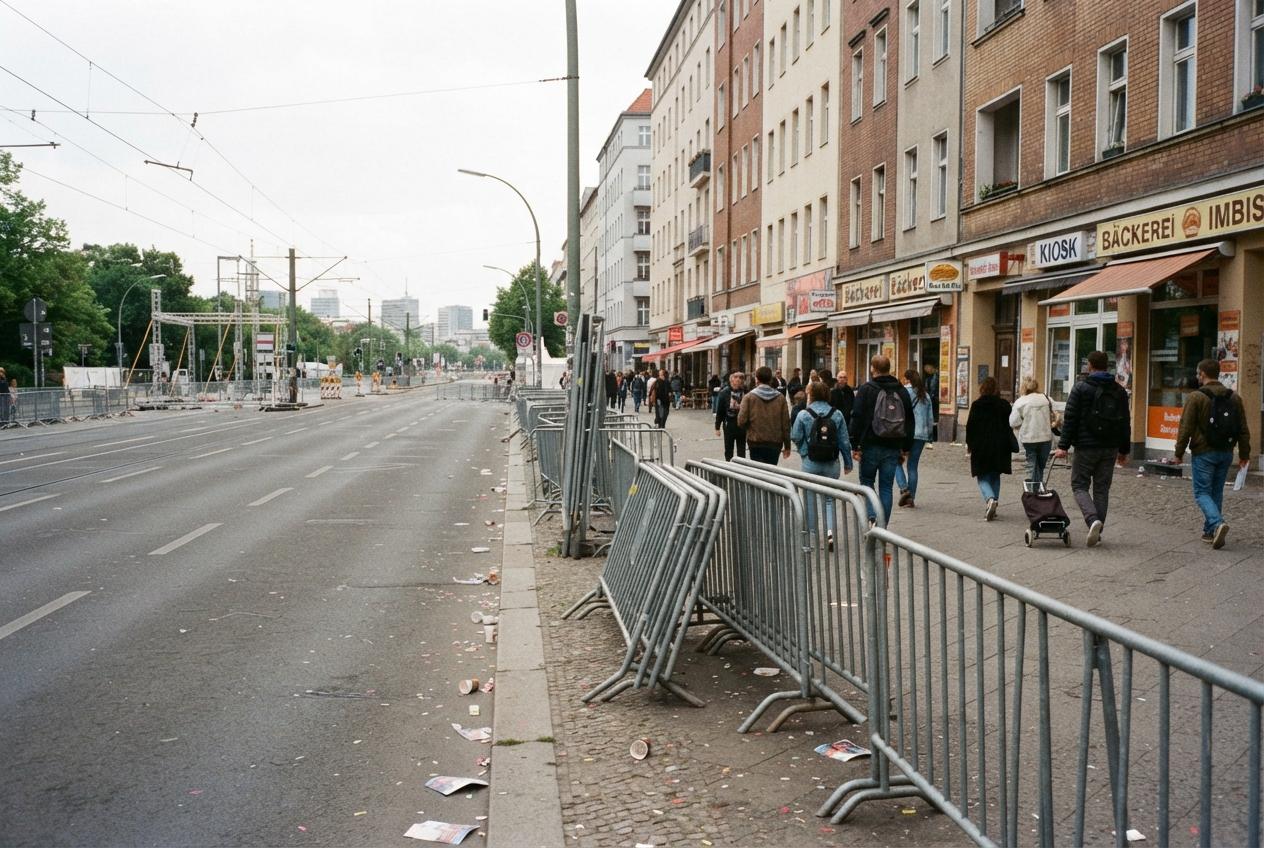
Shocked residents watched a joyful CSD parade turn into a crime scene when an apparent Islamist-motivated vehicle attack in Berlin left a young woman dead and dozens injured; organisers, neighbours and officials are now grappling with how to keep queer public life visible while making it safe.
Essential Takeaways
- Casualties and chaos: A vehicle ploughed into the crowd at Berlin’s Christopher Street Day, killing a young woman and injuring many; emergency services treated dozens on site.
- Suspected motive: Authorities are investigating an Islamist motivation, underscoring evolving threats against public celebrations.
- Long-running pressure: Pride events have faced threats for years from far-right, religious extremists and misogynistic online movements.
- Security dilemma: Organisers say you can’t turn a street party into a fortress, yet attendees demand real protection, not just slogans.
- Public mood: The attack has triggered national grief, calls for tougher resilience measures and renewed discussion about the balance between openness and safety.
What happened at the CSD , a scene that shocked Berlin
Witnesses described sudden panic as an organised celebration became a trauma in minutes, with bystanders attending to the injured and emergency crews swarming the scene. According to reporting, the event’s festive sounds were replaced by cries and sirens, a stark sensory shift that made the scale of the incident painfully clear. Tagesschau and Zeit both reported immediate deployments of medical teams and police, and the city is now mourning a young victim while many remain hospitalised. For anyone who was there, the memory will be not only of colours and music but of confusion and loss.
Why investigators suspect an Islamist motive
Officials are treating the attack as possibly Islamist motivated, and that changes the frame of response and prevention. Security forces are probing motive, background and whether the act was planned to target queer visibility specifically. Reporting suggests investigators are connecting this incident to prior threats against Pride events, and the lead line of inquiry now shapes how policing and intelligence will act in the weeks ahead. If the motive is confirmed, it’s yet another example of how ideological extremism seeks public spectacles for maximum impact.
Pride under pressure: not a new story, but a worsening pattern
Pride parades in Germany have long been targeted by a mix of violent actors: neonazis, religious extremists and misogynistic online subcultures who treat queer life as a provocation. Coverage in Zeit and Tagesschau traces this pattern and shows how recent years have seen escalating rhetoric and sporadic attacks. That background makes this incident feel like part of a sad continuum rather than an isolated shock. Organisers and communities have been adapting , rerouting floats, adding stewards, and liaising with police , but they say those measures only go so far.
The impossible trade-off: openness versus security
You can’t fully fortify a street party without hollowing out what makes it a parade: visibility, spontaneity and shared joy. That tension is where much of the debate now sits. Politicians and community leaders are calling for greater resilience: clearer intelligence sharing, more visible protective measures at events, and improved emergency response plans. At the same time, activists warn against turning Pride into an exclusionary, securitised spectacle that undermines its purpose. Practical advice here is simple , event organisers should insist on binding, funded security plans with police and health services rather than ad hoc arrangements.
What organisers, attendees and officials say next
Reacting to the attack, Berlin officials expressed deep sorrow and vowed investigations; community leaders have appealed for solidarity while demanding concrete protections. Media outlets report a national sense of shock and resolve, with northern regions and beyond sharing messages of support. Looking ahead, expect more rigorous risk assessments for public events, calls for targeted prevention of extremist violence and debates about how to maintain open public culture without leaving people exposed. For many, the concluding thought is painful but pragmatic: openness remains worth defending, but defence must be real.
It's a small change that can make every parade safer: demand practical protection, not platitudes.
Source Reference Map
Story idea inspired by: [1]
Sources by paragraph: