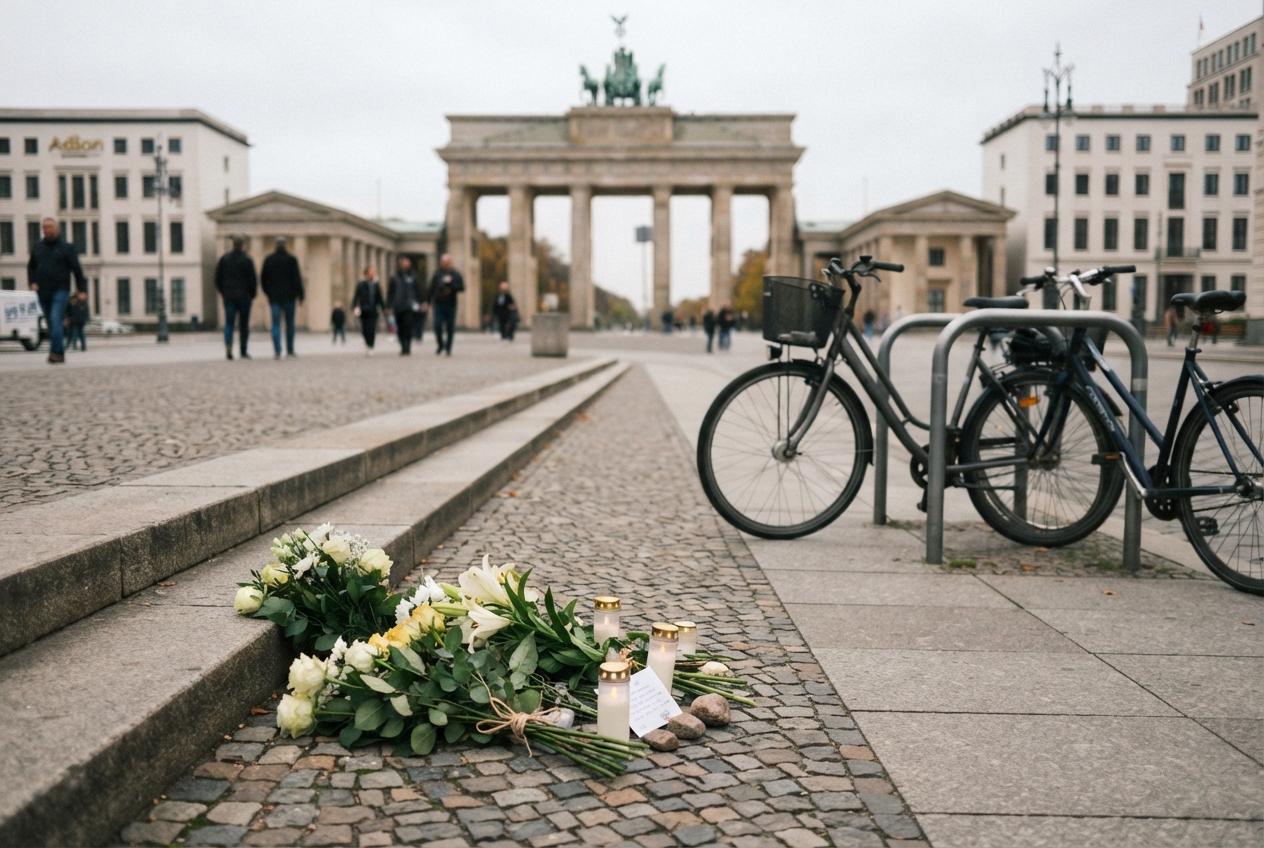
Shocked residents and Pride attendees in Berlin are reeling after a vehicle ploughed into crowds at Christopher Street Day, killing one person and injuring many; organisers cancelled events and local groups have called for vigils, solidarity and safety as authorities hunt a suspect.
Essential Takeaways
- Fatal outcome: A vehicle attack near the Brandenburg Gate during Berlin’s CSD parade killed one person and injured more than a dozen, leaving the area cordoned off.
- Events cancelled: Parade organisers called off several related activities, including a market breakfast and the post-parade clean-up, amid ongoing investigations.
- Community response: Local groups, including a pop choir and queer motorbike riders, have organised vigils and solidarity rides; flowers and messages appeared near the scene.
- Official reaction: Berlin’s LGBTQ affairs commissioner said he was at the site and acknowledged shared fear, grief and anger among the community.
- Historic context: CSD, held since 1979 and drawing hundreds of thousands, is rooted in Stonewall and Berlin’s long LGBTQ history; the attack has struck a city long known as an LGBTQ hub.
What unfolded at CSD and why it stopped the city in its tracks
A vehicle rammed into crowds near the Brandenburg Gate during Berlin’s Christopher Street Day celebrations, turning a bright, loud parade moment into chaos and shock. Witnesses and organisers described a sudden, surreal shift from music and banners to sirens and cordons, with first responders quickly on the scene. Authorities sealed off the area while police launched a manhunt for a suspect, and the mood of the day, meant for celebration, was replaced by grief.
Organisers immediately cancelled several scheduled events, including a breakfast market at a popular food hall and even the routine clean-up after the parade, as a mark of respect and to allow investigators to work. That decision underlines how a single act can pause communal rituals; many attendees said they felt unsafe and disoriented, yet determined to support one another.
How the LGBTQ community mobilised , vigils, rides and public grief
Within hours, local groups pivoted from party mode to care mode. A local LGBT pop choir organised a community vigil at Pariser Platz, just a few hundred metres from where the attack occurred, while Queer Bikes Berlin planned a Pride ride to show solidarity. Bouquets and handwritten notes appeared at temporary memorials, with messages urging unity: We need to stick together.
Berlin’s LGBTQ affairs commissioner, who was present at the Brandenburg Gate, posted directly to reassure people. His message acknowledged fear and anger but emphasised that those feelings were shared and that no one should face them alone. That kind of visible leadership matters in moments like this , it helps move response from private shock to public support.
The police response and the hunt for a suspect
German police quickly launched a search for a 21-year-old man in connection with the incident, deploying resources to trace the vehicle and interview witnesses. The area around the vehicle has been cordoned off as forensics comb the scene and piece together how the crash unfolded. News outlets reporting on the investigation note the speed with which authorities moved to secure the perimeter and gather evidence.
For attendees and local residents, the practical effect has been a heightened police presence and an undercurrent of uncertainty. If you were at the event or have information, officials usually urge you to come forward; even small details can help an ongoing probe. In the meantime, authorities are reviewing CCTV and witness statements to build a clearer timeline.
Why this attack resonates beyond today’s headlines
Christopher Street Day traces back to the Stonewall uprising and has been a yearly marker of LGBTQ rights and visibility in Berlin since 1979. The city’s queer scene has deep roots , from Magnus Hirschfeld’s early activism to the vibrant communities of the Weimar era , so an attack at CSD carries heavy historical and symbolic weight. For many, it’s not just an assault on individuals but on a long-standing civic tradition of openness.
Reuters and other outlets have highlighted the tension this creates for open societies: how do you protect festive public gatherings without turning them into fortress events? The dilemma is real for civil liberties, public safety and community life, and it’s likely to prompt renewed debate in Germany about policing at large-scale demonstrations and events.
Practical advice for anyone affected or attending public events now
If you were at the parade and feel shaken, reach out to local support groups; many LGBT organisations set up hotlines or meeting points after traumatic events. If you lost loved ones or possessions, document everything for police reports and insurance. For future public gatherings, organisers often recommend simple precautions: know the nearest exits, stick with friends, charge your phone and agree a check-in time.
Community-led gatherings like vigils can be healing, but only attend if you feel safe; organisers will usually publish guidance on routes, meeting points and first-aid stations. Above all, leaning on others , neighbours, friends, local groups , is the most immediate and human thing you can do.
It's a small change that can make every gathering safer and every community stronger.
Source Reference Map
Story idea inspired by: [1]
Sources by paragraph: