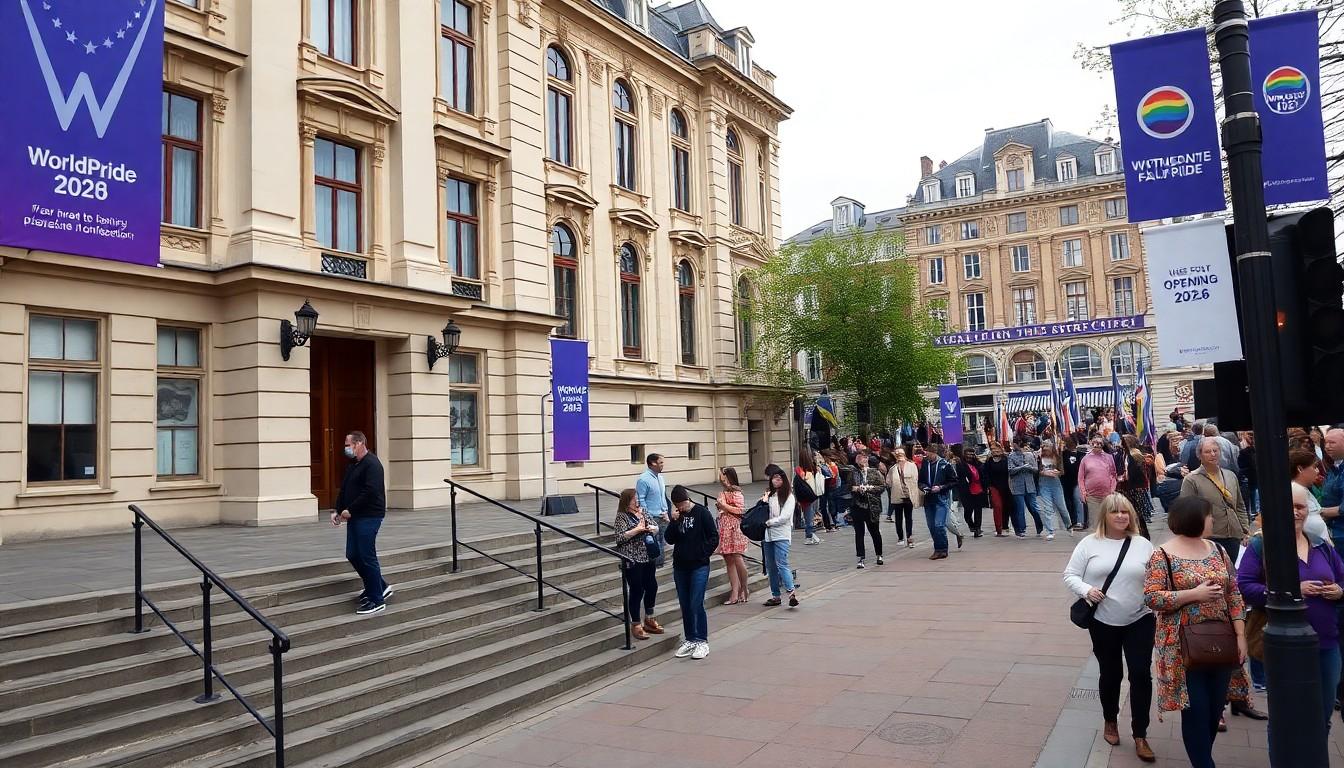
Celebrate: Koningin Máxima opened WorldPride 2026 in Amsterdam, drawing attention to safety, visibility and the symbolic power of public support , important as Pride remains necessary even in countries that consider themselves tolerant.
Essential Takeaways
- Royal endorsement: Queen Máxima officially opened WorldPride 2026 in the Vondelpark, lending high-profile visibility and symbolism.
- Safety concerns: A deadly vehicle attack at a Berlin Pride event the same evening highlighted real risks for public LGBTQ+ gatherings.
- Rising reports: Recent years show growing discrimination complaints, underlining that acceptance isn't automatic.
- Practical aims: WorldPride combines cultural programming, exhibitions and talks to reclaim public space and make it safer.
- Community action: Organisers and authorities are emphasising protection, inclusivity and public awareness as core priorities.
A royal moment that sent a clear message
Koningin Máxima standing in the Vondelpark to open WorldPride felt both ceremonial and urgently human, a soft but firm reminder that visibility matters. According to the Dutch Royal Household, the Queen’s presence framed the event as more than a party , it was a public endorsement of dignity and safety for LGBTQ+ people. For many attendees, that kind of symbolic support feels reassuring, like a visible hand on the shoulder in a crowded place.
Backstory? The Dutch monarchy has long played a symbolic role in national life, and this wasn’t the first time royal attention amplified a social cause. The optics matter: when a public figure turns up, media follow, conversations happen and, hopefully, policymakers listen. For Pride organisers, that boost helps push practical asks , better policing, safer routes, more inclusive programming , into the spotlight.
The shadow of violence that changed the night
While Amsterdam celebrated, Berlin faced tragedy , a fast-moving van crashed into people at a Pride gathering in Tiergarten, killing one and injuring many. Reports from broadcasters described the immediate shock, the scramble for care and renewed fears among LGBTQ+ communities across Europe. That contrast underscored a hard truth: public celebration and public risk can sit uncomfortably close together.
Organisers of mass events are therefore recalibrating. Expect more visible security plans, clearer evacuation routes and coordinated work with local authorities. If you’re planning to attend a march or festival, check official channels for safety guidance and meet-up plans in advance.
Why Pride remains essential, even in tolerant societies
It’s tempting to assume countries known for liberal policies are done with Pride’s work, but recent figures paint a different picture. Discrimination reports have risen, suggesting that prejudice and exclusion persist in everyday life. Public festivals do more than celebrate; they assert the right to exist visibly in shared spaces.
Cultural programming during WorldPride , exhibitions, talks and community projects , aims to connect celebration with education. De Nieuwe Kerk’s queer Amsterdam exhibition and Pride’s talks show organisers want conversation as well as colour. The point is practical: visibility can shift attitudes and help normalise difference for people who might never otherwise meet LGBTQ+ neighbours.
Who gets space, and how organisers balance it
Debates about who deserves room in public spaces have come up recently at music festivals and other events, where performers and attendees have called for more considerate behaviour in crowds. Authorities have had to walk a fine line between protecting groups who feel marginalised and avoiding blanket exclusion. The national discrimination hotline in the Netherlands has weighed in on such disputes, often concluding that intent and context matter.
For event-goers, a useful rule is simple: be mindful, listen and step back when asked to make space. For organisers, clear codes of conduct, accessible complaints channels and visible stewards help keep things civil. It’s not about giving one group more rights than another; it’s about making shared spaces actually shared.
What to expect at WorldPride-style events next
Going forward, expect Pride events to blend festivity with infrastructure: dedicated safety teams, accessible facilities, and programming that invites dialogue. Municipalities and cultural institutions will likely continue partnering with organisers to host exhibitions and discussion series, turning a weekend of marches into a platform for ongoing change.
If you’re attending, plan ahead: download the event app if there is one, agree a meeting point with friends, and spot the help stations on arrival. Little preparations make a big difference to feeling secure and enjoying the day.
It's a small change that can make every Pride moment safer and more inclusive.
Source Reference Map
Story idea inspired by: [1]
Sources by paragraph: