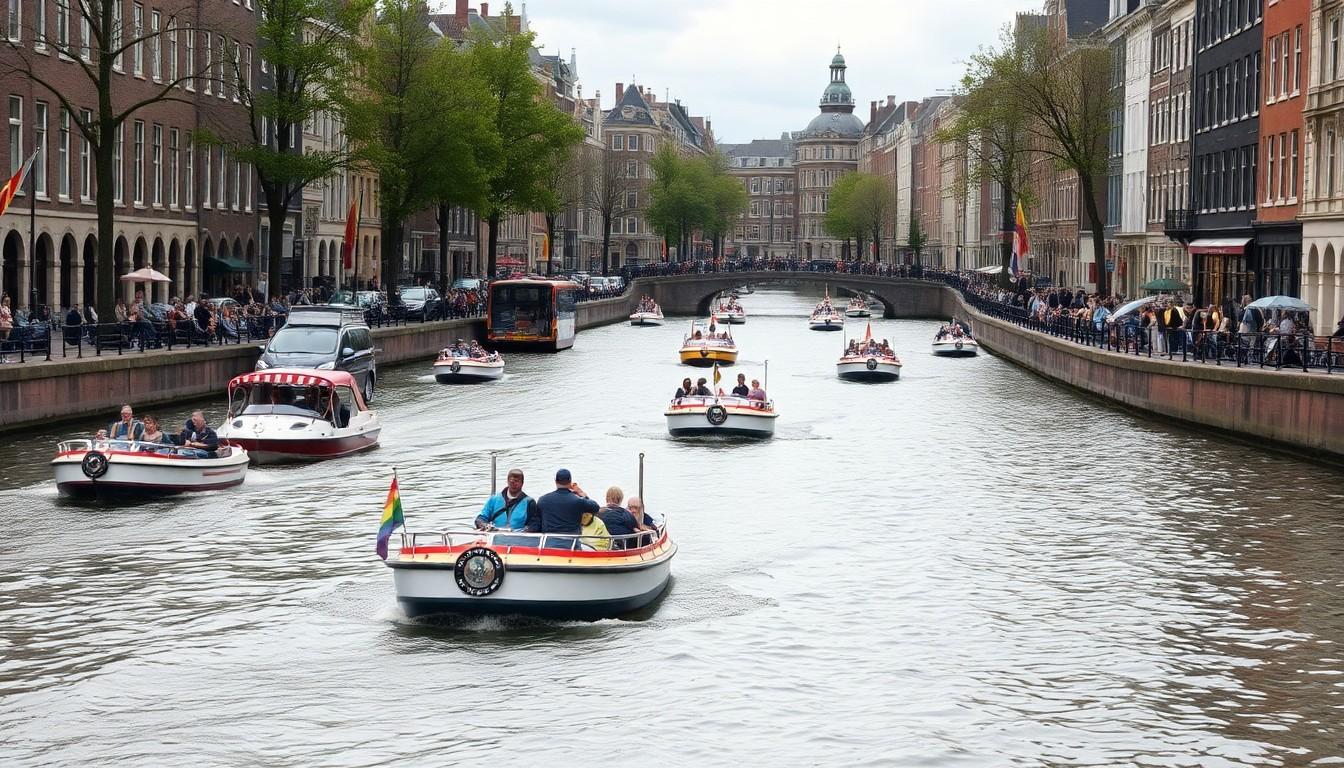
Celebrate, protest, remember , Amsterdam is the global queer gathering this summer as World Pride brings two weeks of parties, politics and a vibrant Canal Parade that marks 30 years of visibility and resistance. Locals and visitors alike are flocking to events across the city, where celebration meets urgent rights campaigning.
Essential Takeaways
- Anniversary significance: The Canal Parade marks three decades since boats first sailed Amsterdam’s canals, now central to World Pride programming.
- Dual tone: World Pride combines festivals, exhibitions and protests, reflecting both celebration and concern over shrinking LGBTI rights worldwide.
- Big logistics: Preparations for the fleet and route are extensive , expect crowded canals, security measures and early start times.
- Visitor tips: Arrive early, use public transport, scout elevated viewing points, and factor in weather and sound sensitivity.
- Local flavour: Museums and events are staging shows such as “Love on the Canals” that trace the parade’s cultural history.
Why the Canal Parade still grabs the spotlight
The sight of decorated boats drifting down Amsterdam’s canals is as much a visual party as it is a political statement. After 30 years the Canal Parade has become shorthand for pride in this city , bright, noisy and impossible to ignore. Organisers tell visitors to expect a mix of floats, music and messages, and for many attendees the parade’s sensory punch , the thump of bass, the glitter, the sea of flags , is part of what makes it unforgettable.
The parade didn’t grow in a vacuum. It evolved alongside shifting social attitudes and laws, and this anniversary lands at a tense moment: many countries are rolling back protections for LGBTI people. That’s why Pride in Amsterdam leans into protest as well as party, with World Pride programming designed to amplify rights campaigns as much as to entertain.
How World Pride blends celebration and advocacy
World Pride turns Amsterdam into a two-week stage of concerts, talks, exhibitions and demonstrations. City officials and event organisers have coordinated exhibitions and public programmes that frame Pride as both heritage and a living movement. Museums are running retrospective shows, while activists schedule rallies and panels that confront current threats to queer freedoms.
This mix matters. Celebrations draw crowds, which gives marches and talks greater visibility. For visitors, that means you can dance at a headline gig in the afternoon and join a rights-focused discussion in the evening. If you want the full experience, check World Pride’s official schedule and book events in advance.
Practicalities: watching the Canal Parade like a pro
If you’re there for the boats, plan like you’re about to watch a major street parade. Public transport is the best bet; many central tram and metro stops will be busier than usual. Arrive early to secure a good vantage point , bridges and raised quays give the clearest views. Expect loud music and crowds, so bring ear protection if you or companions are sound-sensitive.
Organisers publish guidance on accessible viewing areas and timings, and local authorities often set temporary restrictions for safety. If you’re photographing, remember battery packs and a small zoom lens for detail shots; for families, scope out calmer spots along the route where kids can watch without being overwhelmed.
What’s new this year: exhibitions and the fleet build
Alongside the parade, the city is staging curated exhibitions that reflect on three decades of Pride. Shows like “Love on the Canals” place the Canal Parade in cultural context, charting its rise from grassroots protest to international spectacle. Meanwhile, the practical work of readying the fleet is a story in itself , community crews, volunteer stewards and technical teams spend weeks dressing boats and rehearsing routes.
That behind-the-scenes hustle is part celebration and part logistics. It’s a reminder that big public moments are built by lots of small, often unpaid efforts. Visitors who stay longer can find boat-prep open days or related talks that offer a quieter, more reflective perspective on the pageantry.
A city in full tilt , what locals and visitors should know
Amsterdam becomes a hub for the global queer community during World Pride, which is both energising and disruptive. Hotels fill up, restaurants stage themed menus and nightlife runs late. For locals, this can be a boost to small businesses; for visitors, it means planning ahead to avoid disappointment.
If you're here for the full two-week programme, mix high-energy events with calmer museum days. Give yourself time to absorb the mix of joy and seriousness , the parade is cathartic, but the surrounding panels and protests make clear why visibility still needs to be fought for.
It’s a small change that can make every visit feel more meaningful , pick an event that mixes fun with learning, and the city will reward you with a memorable, colourful, and thoughtful Pride.
Source Reference Map
Story idea inspired by: [1]
Sources by paragraph: