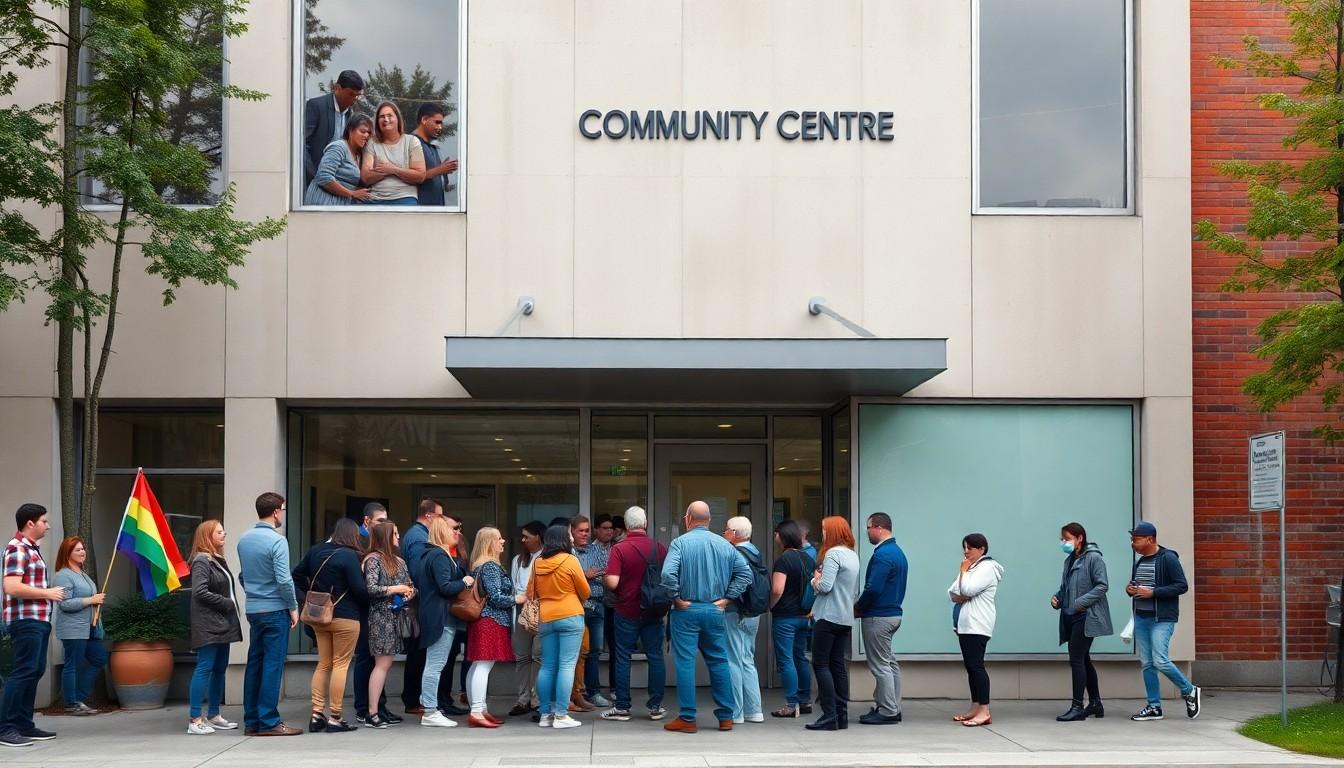
Shoppers are turning to safer public gatherings: Pride organisers across Canada and beyond are tightening security after a deadly van attack near Berlin’s Pride celebrations, and it matters because communities want to celebrate without fear. Here’s what organisers are doing, what works, and what attendees should know.
Essential Takeaways
- Immediate response: Berlin attack has been treated as an extremist terror incident, prompting Pride groups to review security plans.
- Visible measures: Organisers are adding more security personnel, barriers and screening at entry points, measures that feel reassuring and practical.
- Community focus: Groups emphasise inclusion while increasing safety, with specific support for vulnerable visitors.
- Practical advice: Attend with a plan, note exits, meet-up spots, and follow guidance from event staff for a smoother, safer experience.
What happened in Berlin and why organisers are on alert
The attack near Pride in Berlin, where a van struck people near a park by Brandenburg Gate, left one dead and many injured and is being investigated as an extremist act, according to Reuters and international outlets. It’s a grim reminder that public celebrations can be targeted, and that has prompted an immediate security rethink across Pride events worldwide. Organisers and public safety partners say they need to balance visible protective measures with the open, welcoming atmosphere that makes Pride unique.
Context matters: police say the suspect was located and killed after a lengthy search, and prosecutors have linked him to extremist intentions. That detail shifts planning from typical crowd-management to counter-terror considerations, which changes the kinds of precautions organisers now prioritise.
How Canadian Pride groups are responding
Groups from Vancouver to Montreal and Ottawa have publicly committed to bolstering safety. The Vancouver Pride Society said it's working closely with public safety partners; Fierté Montréal announced plans to beef up security while calling for unity and support for community spaces. Capital Pride in Ottawa is having further conversations about measures ahead of its August celebrations.
This approach, coordinating with police, transit authorities and local health services, reflects a trend of multi-agency planning that aims to keep events both safe and accessible. Expect clearer entry rules, more marshals and perhaps modified routes or staging areas in the short term.
What practical security changes look like on the ground
Practical steps organisers commonly adopt include temporary vehicle barriers, increased stewarding, bag checks, and strengthened medical response teams. Some events add CCTV, better lighting and designated quiet zones for people who feel overwhelmed. These measures are sensory as well as procedural: barriers have a sturdy, reassuring feel, extra stewards mean a friendlier, safer atmosphere, and clearly signed first-aid points make it easier to get help fast.
If you’re organising or attending, consider the size of your group, the pace of movement you expect, and whether your route passes close to roads where vehicles can approach. Choosing barrier-friendly staging points and clearly marked pedestrian-only zones makes a big difference.
How organisers are trying to protect inclusion while tightening security
One of the trickier balances is ensuring security measures don’t create barriers to participation. Organisers are trying to keep entry screening respectful and discreet, and to provide accessible lanes and support for people with mobility needs. There’s also an emphasis on mental-health support at events, so people traumatised by recent news or by past experiences can find calm spaces.
Community-focused measures, like safe-route maps, family areas, and liaison volunteers for marginalised groups, help maintain Pride’s celebratory character even as physical protections increase. It’s a practical reminder that safety isn’t only about fences; it’s about making everyone feel welcome and supported.
What attendees can do to stay safe and still enjoy Pride
Bring a small plan: pick a visible meet-up spot, note the nearest exits and first-aid points, and keep personal items light. If there’s bag screening, use a clear, easy-to-open bag; that speeds queues and keeps lines moving. Trust your instincts, if something feels off, tell a steward or police officer. And look out for companions who might be anxious; a quiet check-in can change someone’s day.
Organisers ask for patience: security measures can slow entry but they’re meant to protect everyone. Being prepared helps you get in faster and keeps the mood celebratory rather than tense.
It's a small change that can make every celebration safer and more welcoming.
Source Reference Map
Story idea inspired by: [1]
Sources by paragraph: