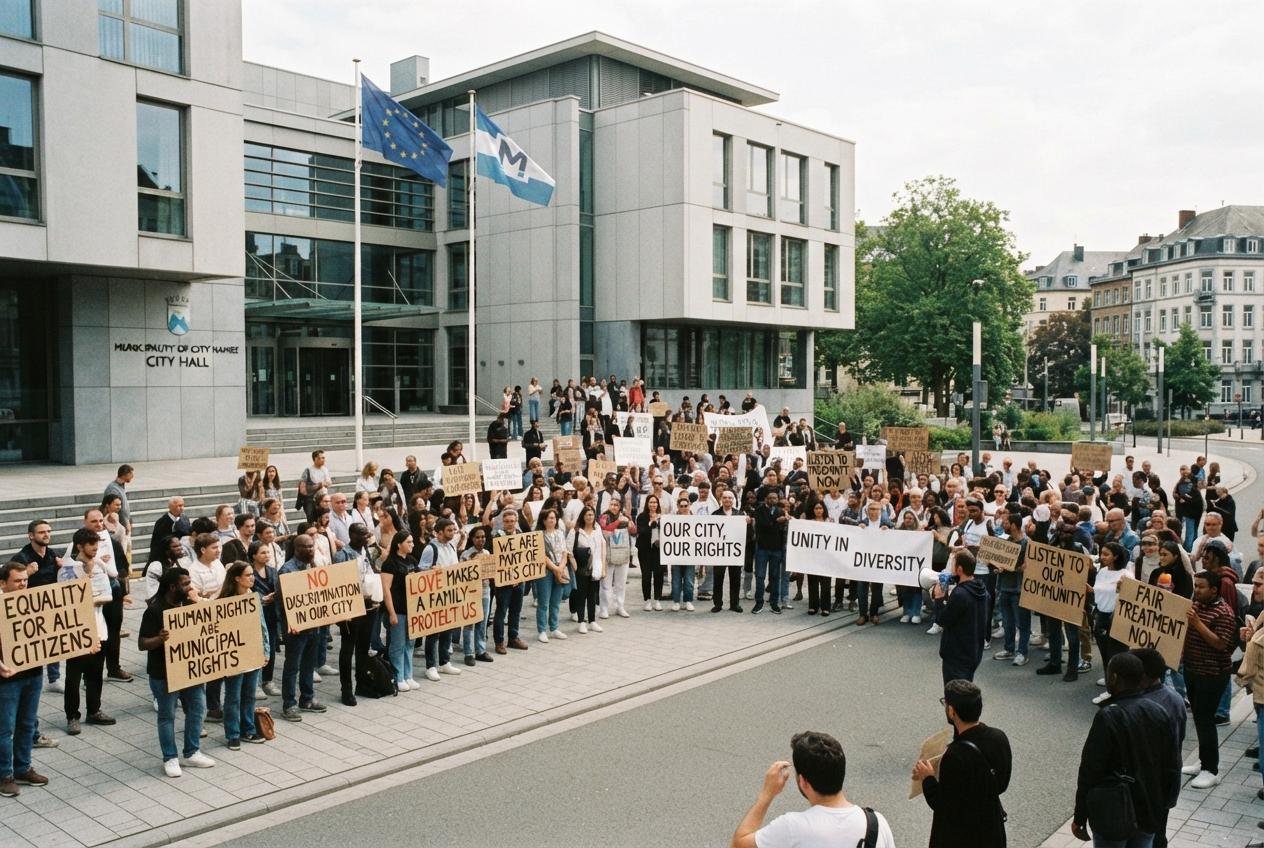
Watchfulness matters: a deadly vehicle attack at Berlin Pride and the repeated blocking of a Pride march in Oradea underline why states must actively protect rather than stigmatise LGBTQIA+ assemblies, and why public safety is a democratic test worth passing.
Essential Takeaways
- Immediate tragedy: A van attack at Berlin Pride killed one person and injured many, showing how quickly hate can turn deadly.
- Local suppression: Oradea’s authorities blocked a Pride march for the fourth year running, citing "public morals" and rejecting dozens of proposed routes.
- Duty to protect: Human-rights commentators say authorities must facilitate peaceful assembly and coordinate security, not treat permission as a favour.
- Chilling effect: Recurrent bans and fines create stigma, embolden online threats, and signal that some citizens’ rights are negotiable.
- Practical need: Effective protection combines clear legal routes, proportional policing, and swift investigations to deter escalation from words to violence.
When a vehicle becomes a weapon: what happened in Berlin and why it stings
Berlin’s Pride turned tragic when a van ploughed into a crowd, killing one person and wounding several others, and prompting a high-profile manhunt. The scene was grim, with streets that moments earlier had been colourful and noisy suddenly scarred by shock and grief. Reuters and AP reported the rapid mobilisation of police and emergency services, while local outlets described the city’s stunned reaction.
This kind of violence is rare but devastating, and it shows that no security plan is foolproof. Still, even the best-laid measures matter: visible policing, barriers where appropriate and rapid medical response can reduce casualties. For event organisers, the takeaways are practical , plan evacuation routes, liaise early with authorities, and consider hostile vehicle mitigation when large crowds gather.
Oradea’s repeated bans: how local decisions feed a wider narrative
In Oradea the mayor’s office declined to authorise a Pride march for a fourth consecutive year, rejecting over a hundred proposed routes and invoking “good morals” as justification. The Guardian and Cotidianul covered the controversy, noting that organisers, diplomats and even the country’s ombudsman criticised the decision.
When a municipality blocks a peaceful assembly repeatedly it does more than frustrate logistics; it sends a message. People feel excluded and unsafe, and online hostility often spikes. The ombudsman’s intervention here is a reminder that administrative choices can and should be challenged through legal and civic channels.
Why the state’s role is not optional: law, protection and perception
National and international law protects the right to peaceful assembly, and authorities are meant to facilitate it, not gatekeep it as a favour. Human-rights advocates argue , and legal experts repeat , that public bodies should set routes and enable policing so participants can march safely. When officials instead use vague public-morals arguments, it blurs accountability.
The practical implication is clear: mayors and police commanders should document decision-making, explain security assessments and offer compromises that preserve rights. Transparency reassures both participants and the wider public, and reduces the perception that some groups are second-class citizens.
The ripple effects: online threats, fines and community trauma
Blocking or penalising marches doesn’t just stop an event; it amplifies hostility. In Oradea organisers and families reported a surge in threats , from insults to violent fantasies , on social media. Meanwhile, local gendarmerie issued fines to participants, some before a march even began, creating a bitter tableau of officials sanctioning the very people they should protect.
That combination of official sanction and grassroots hatred can normalise violence. For community leaders and parents, the result is ongoing stress and reluctance to participate in public life. Practical steps to mitigate harm include legal support hotlines for organisers, rapid reporting mechanisms for online abuse and community outreach to reassure vulnerable people.
What good protection looks like: practical steps for organisers and authorities
Effective protection is practical and proportionate. Cities that do this well publish clear route plans early, consult civil-society groups, deploy enough trained stewards and police, and use physical measures , like barriers or vehicle exclusion zones , where risk assessment recommends them. After-action reviews and transparent investigations into incidents or threats build trust.
Organisers should start talks with authorities months ahead, submit multiple route options, document communications and prepare contingency plans. Authorities, meanwhile, should focus on de-escalation, public messaging that rejects hate unequivocally, and prompt criminal investigations when threats or violence occur.
It's a small change that can make every march safer and every right more secure.
Source Reference Map
Story idea inspired by: [1]
Sources by paragraph: